October. 07, 2026
Waterproof switches are specialized electrical components designed to operate effectively in wet conditions, such as heavy rain and snow. These switches are essential in various industries, from construction to agricultural equipment, where exposure to the elements is a daily challenge. Their capacity to endure harsh weather conditions not only enhances their longevity but also ensures safety and reliability in operations. By utilizing waterproof switches, businesses can reduce maintenance costs and prevent downtime due to weather-related failures.
Historically, the push for improved weatherproofing in electrical devices began as industries expanded their operations outdoors. In the 1980s, innovative materials and coatings were developed to produce switches that could withstand moisture, dust, and other environmental factors. These advancements led to the establishment of industry standards such as the Ingress Protection (IP) rating, which measures a device’s resistance to water and solids. For instance, an IP67-rated switch can handle immersion in water up to one meter for 30 minutes. Over the years, companies like kacon have consistently pushed the boundaries of waterproof technology, giving rise to highly robust and reliable products.
The practical uses of waterproof switches extend across multiple sectors. In agriculture, they're indispensable for controlling irrigation systems, ensuring that operations continue unimpeded during downpours or snowstorms. In construction, these switches can be found in outdoor lighting controls or heavy machinery, where durability is paramount. The significance of employing waterproof switches also lies in their ability to maintain operational integrity, safeguarding equipment from potential electrocution hazards during unexpected weather changes.
Common misconceptions abound regarding the capabilities of waterproof switches. One prevalent myth is that “water-resistant” is synonymous with “waterproof.” However, water-resistant switches may only withstand light rain and moisture, while waterproof switches are designed for complete protection from water ingress. Additionally, some consumers mistakenly believe that higher pricing equates to better durability; however, not all expensive switches are IP-rated. Understanding the nuances of these terms can significantly impact purchasing decisions.
To exemplify the effectiveness of waterproof switches, consider the case of a mid-sized agricultural firm that transitioned from standard switches to kacon's waterproof variants. After an initial investment, they observed a 35% reduction in operational interruptions due to rain-related equipment failures and maintained excellent safety standards throughout unpredictable weather’s onslaught. The increased reliability had a cascading effect on productivity, yielding significant cost savings and bolstering their profits by 20%.
To wrap up, waterproof switches are vital components that provide robust solutions for various industries, particularly in settings subjected to heavy rain and snow. Their capacity to enhance operational efficiency, improve safety, and minimize maintenance efforts underscores their significance. Understanding the specifics—as highlighted by compliance with internationally recognized standards like ASTM and IEC—can empower businesses to make informed decisions and ultimately drive their operations forward. If you're considering upgrading your electrical systems, diving into the world of waterproof switches may prove essential for sustaining longevity and efficiency. For more insights, check out Kacon’s extensive product offerings here.
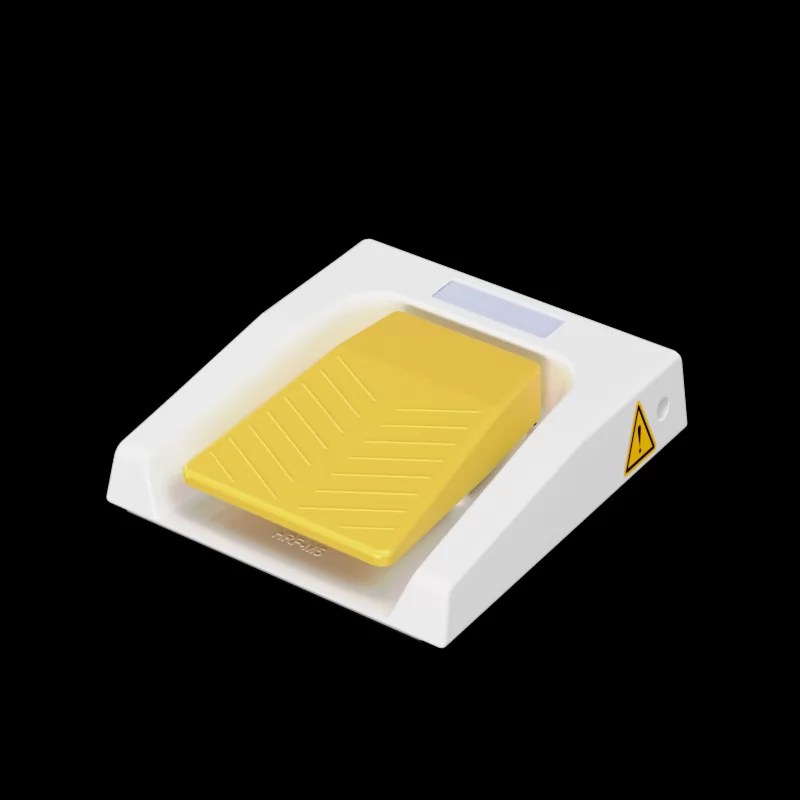 Foot Switches Selection Guide: Types, Features, Applications
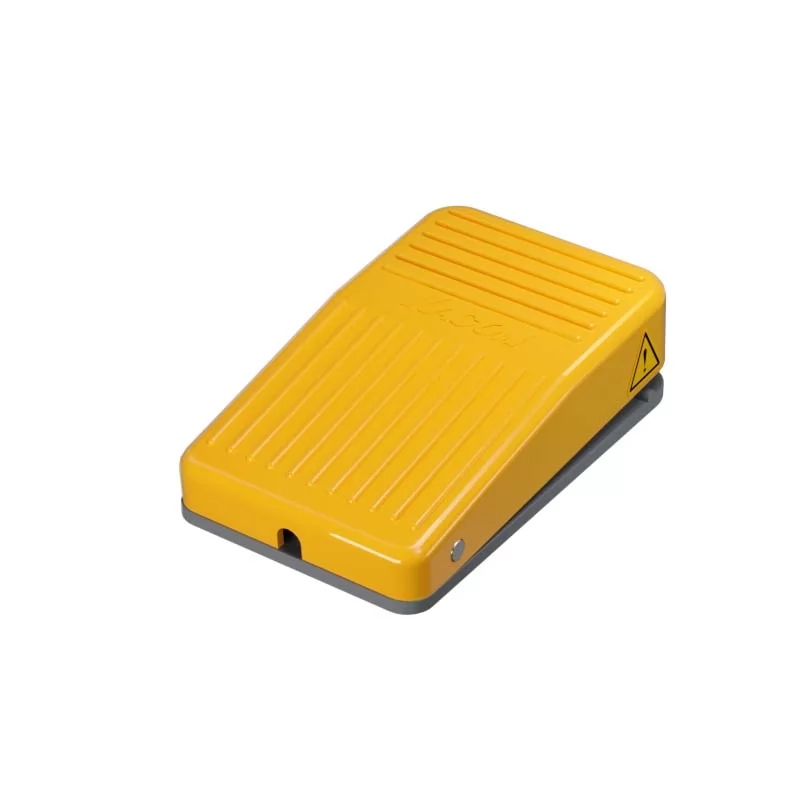 2026 Top 10 Leading Foot Switch Suppliers in the world
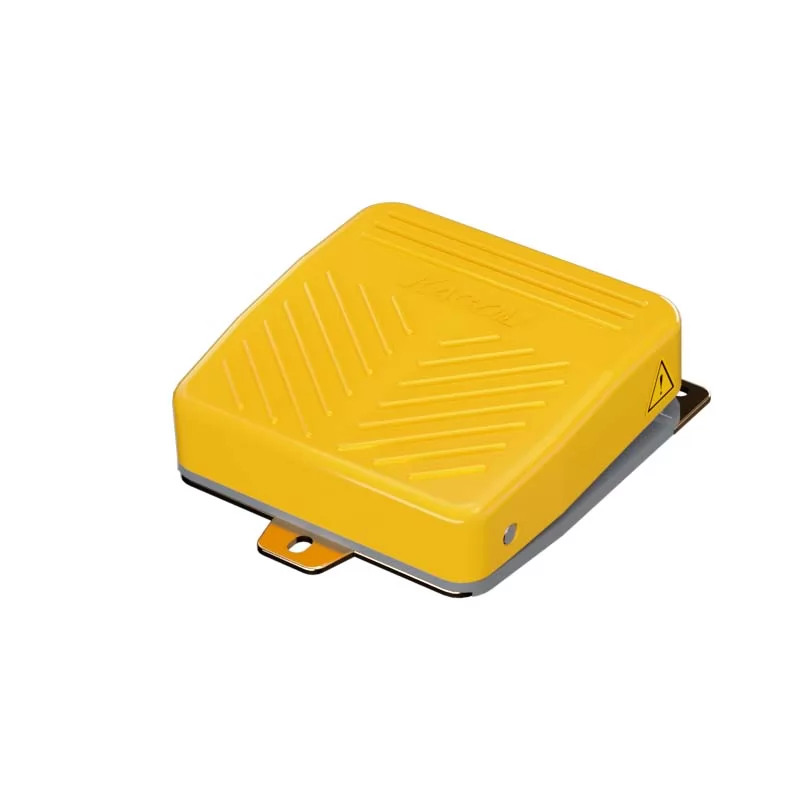 Cross-reference guide for medical foot pedals
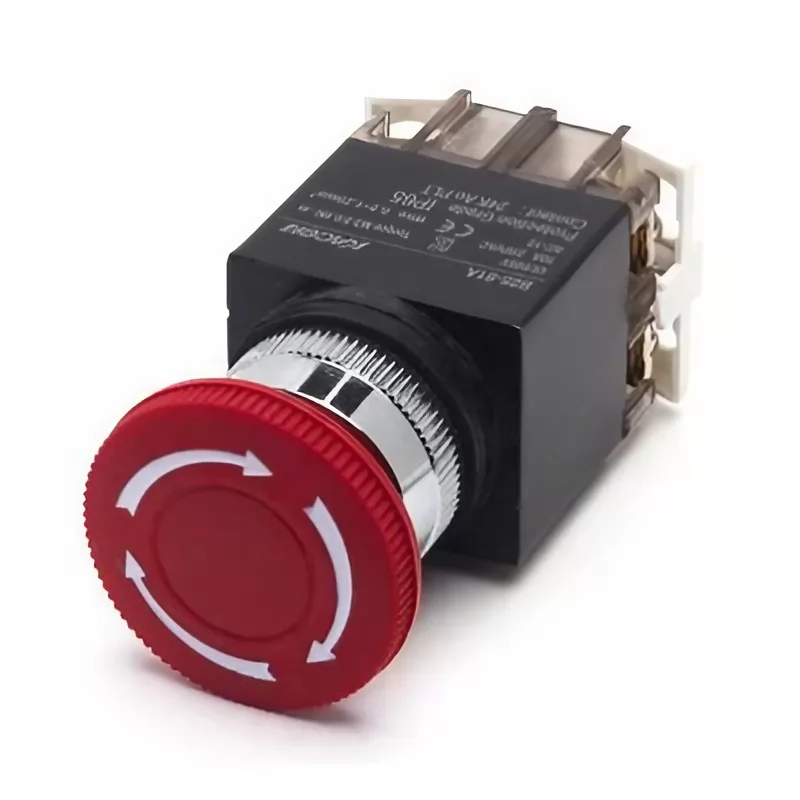 Waterproof momentary vs maintained pedals
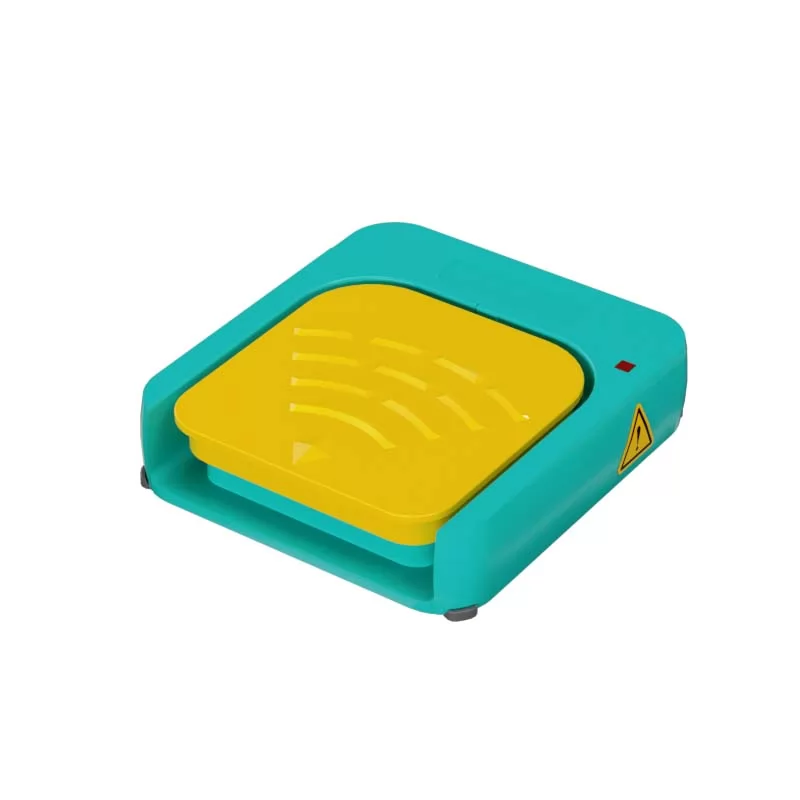 How do I choose the right foot switch?
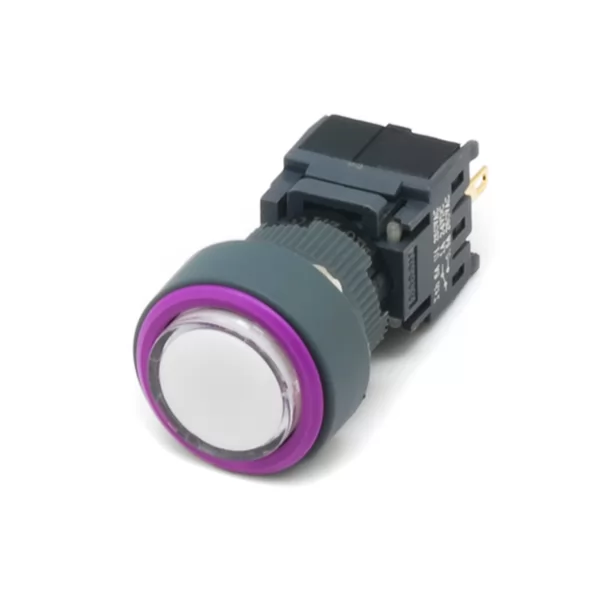 IP67 vs IP68 foot switch for marine use