September. 07, 2026
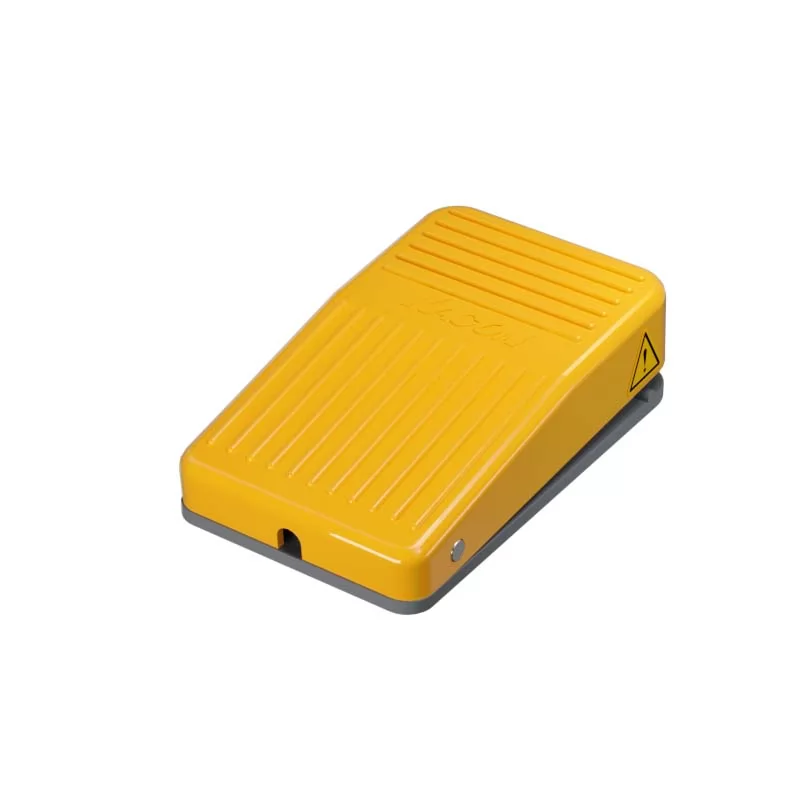
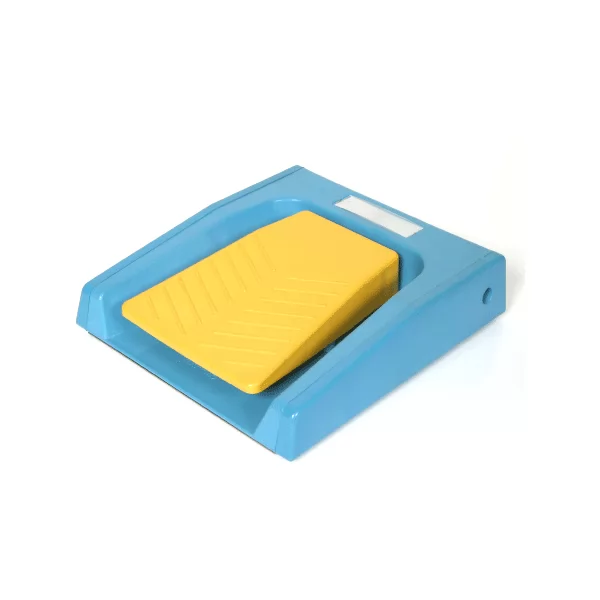
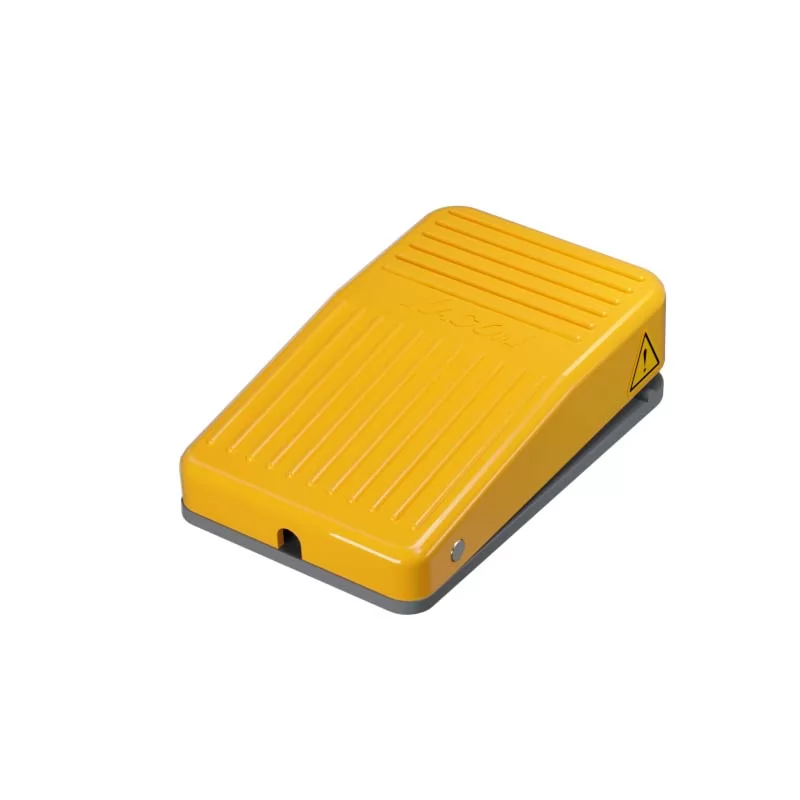
In the food processing industry, the reliability and maintenance of equipment are critical for health, safety, and productivity. A heavy-duty foot pedal is an essential component that allows for seamless operation while adhering to hygiene standards. With the increasing focus on durability and resistance to corrosion, choosing the right materials and designs can dramatically improve operational efficiency and extend the lifespan of these tools. This article delves into corrosion-resistant pedals specifically designed for food processing, exploring their benefits, features, and best practices for selection and maintenance.
Determine the specific requirements of your food processing environment.
Look for manufacturers with specialized corrosion-resistant offerings, such as Kacon.
Before committing, try samples to evaluate performance and usability.
Select vendors who offer solid support and warranty options.
Check for signs of wear and tear or corrosion periodically.
Establish a routine cleaning schedule to remove contaminants.
Address any operational issues immediately to prevent further damage.
Explore how IoT capabilities are being integrated to monitor pedal usage and diagnose issues.
Learn about eco-friendly corrosion-resistant materials gaining traction.
As the food processing industry continues to evolve, the demand for robust and reliable solutions like corrosion-resistant pedals grows stronger. By understanding the benefits, assessing your specific needs, and implementing best practices for selection and maintenance, you can ensure that your operations remain safe, efficient, and compliant. Consider incorporating these advanced solutions to innovate and elevate your processing environments.
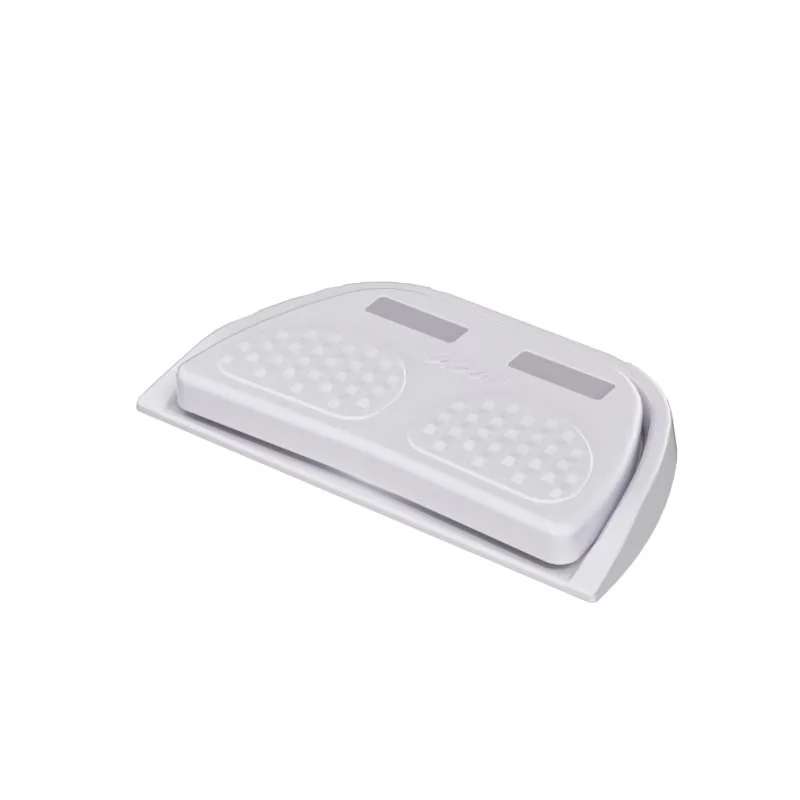 Momentary vs maintained foot switch
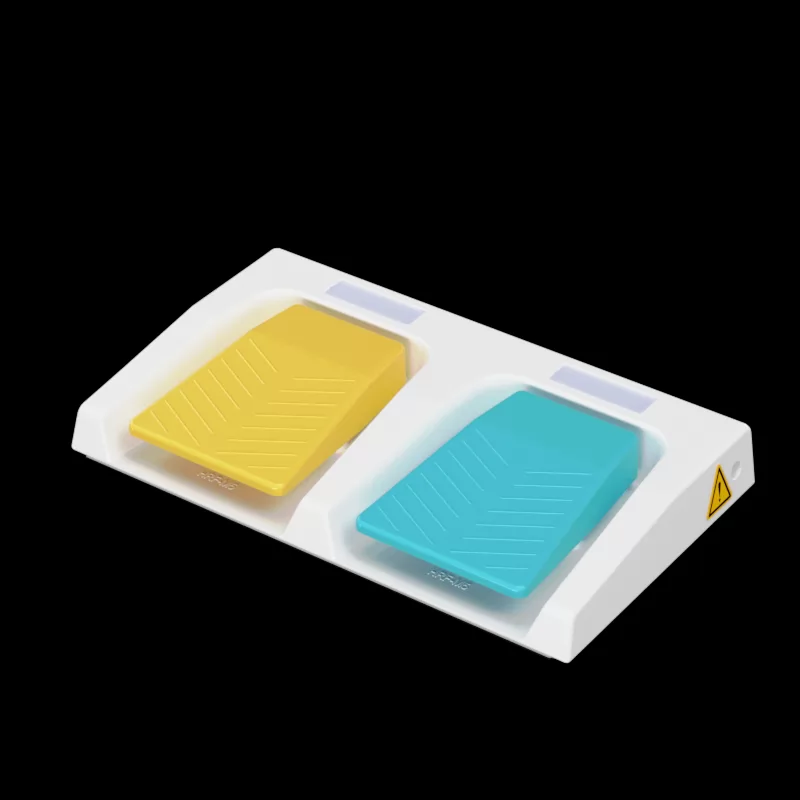 Ergonomic benefits of dual pedal design
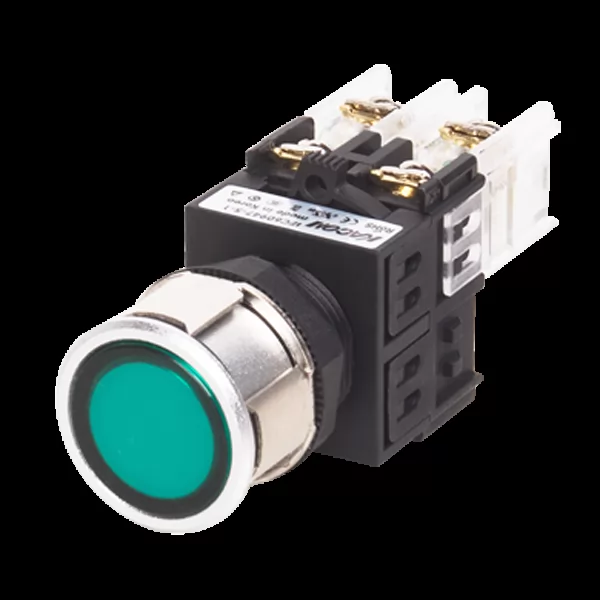 IP67 vs IP68 foot switch for marine use
 Best dual foot switch for hydraulic presses
 Wiring diagram for dual safety foot switches
 Troubleshooting 3-position switch contacts