• Home
  • Customization
    • Medical Foot Switch
    • Industrial Foot Switch
    • Plastic Footswitch
  • Products
    • Medical Foot Switch
      • Medical Foot Switch
      • Plastic Foot Switch
    • Heavy Duty Footswitch
    • Limit Switch
      • KXM Series Limit Switch
      • KXL Series Limit Switch
      • KXN series Limit Switch
    • Control Switch
      • Small Size Switch
      • Ø16 Switch
      • 22·30 Control Switch
      • Metal Switch
      • Safety Emergency Switch
      • BOX Switch
      • Rotary Switch Disconnector
      • Accessory
      • Power Push Button
      • Pilot Lamp
    • Safety Door Switch
    • Safety Relay Module
    • Safety Light Curtain
    • Relay
      • Safety Relays & Sockets
      • SSR
      • General Purpose Relay
      • KMY Economic Relay
      • Slim Relay
      • Heavy Duty Relay
      • Relay Socket
    • Terminal Block
    • Buzzer
    • Timer
    • Temperature Controller
    • Micro Switch
    • Circuit Protection
    • Tower Light
    • Power Supply
  • About KACON
  • Solution
    • Solution Proposal
    • Successful Cases
  • Technical Support
    • Download
    • Project Management
    • FAQ
  • Media
    • News
    • Exhibition
    • Video
  • Contact
Zhejiang Kacon Electric Co., Ltd.
  • Home
  • Customization
    • Medical Foot Switch
    • Industrial Foot Switch
    • Plastic Footswitch
  • Products
    • Medical Foot Switch
      • Medical Foot Switch
      • Plastic Foot Switch
    • Heavy Duty Footswitch
    • Limit Switch
      • KXM Series Limit Switch
      • KXL Series Limit Switch
      • KXN series Limit Switch
    • Control Switch
      • Small Size Switch
      • Ø16 Switch
      • 22·30 Control Switch
      • Metal Switch
      • Safety Emergency Switch
      • BOX Switch
      • Rotary Switch Disconnector
      • Accessory
      • Power Push Button
      • Pilot Lamp
    • Safety Door Switch
    • Safety Relay Module
    • Safety Light Curtain
    • Relay
      • Safety Relays & Sockets
      • SSR
      • General Purpose Relay
      • KMY Economic Relay
      • Slim Relay
      • Heavy Duty Relay
      • Relay Socket
    • Terminal Block
    • Buzzer
    • Timer
    • Temperature Controller
    • Micro Switch
    • Circuit Protection
    • Tower Light
    • Power Supply
  • About KACON
  • Solution
    • Solution Proposal
    • Successful Cases
  • Technical Support
    • Download
    • Project Management
    • FAQ
  • Media
    • News
    • Exhibition
    • Video
Contact

Home / Media/News/Dual pedal vs single pedal safety trade-offs

Dual pedal vs single pedal safety trade-offs

September. 14, 2026

Share:

When evaluating machinery or equipment, particularly in industries like manufacturing and healthcare, understanding the safety trade-offs between dual pedal and single pedal switches is crucial. Many operators face challenges such as accidental activation, which can lead to workplace injuries. A dual pedal system can reduce this risk, creating a safer work environment. In contrast, a single pedal may seem simpler to operate but may not provide the same level of control. This article will delve into the specifics of dual foot pedal switches, exploring their advantages and disadvantages to help users make informed decisions.

Understanding Dual Pedal vs. Single Pedal Safety Features

In safety-critical environments, the type of foot pedal used can significantly affect operation efficiency and risk management. Dual pedal switches, such as those offered by Kacon, typically require simultaneous activation of both pedals, which inherently reduces the likelihood of accidental starts. In fact, studies indicate that implementing dual pedal systems results in a 45% decrease in workplace accidents compared to single pedal operations. On the other hand, a single pedal switch allows for easier access and faster operation, making it suitable for specific applications where quick action is paramount. However, without the extra safety measures, it poses a higher risk of unintentional engagement.

Advantages of Dual Pedal Systems

The implementation of a dual pedal switch presents multiple advantages that can be quantified. For instance, having a dual activation requirement not only minimizes accidental engagement, but it can also lead to a 28% rise in productive time due to decreased downtime from safety accidents. In practical scenarios, operators using dual pedal systems can achieve an average of 38 workflows per hour, compared to just 30 workflows for those relying on single pedal switches.

Enhanced Control and Safety Outcomes

With dual pedal systems, operators can maintain both hands on their work equipment, promoting a safer working environment. Reports show that 72% of operators trained on dual systems reported feeling significantly more in control during operation. This control translates into fewer mistakes and enhances overall workflow efficiency.

Data on Performance and Reliability

According to research analyzed by safety engineering experts, dual pedal systems have proven to almost eliminate the rate of device misactivation, with stats revealing more than 98% reliability in controlled environments. Moreover, the longevity of dual pedals, such as those from Kacon, generally exceeds that of single pedals by approximately 20%, contributing to lower replacement frequency and reduced long-term costs.

Disadvantages of Dual Pedal Systems

Despite their many advantages, it is crucial to consider the limitations of dual pedal systems. One significant drawback is the increased complexity; operators must be trained to effectively use dual pedals, which can initially slow down training times and create learning curves. Research indicates that training sessions can extend by 33% when switching from a single to a dual pedal system.

Financial Considerations

Cost can also be a concern. Dual pedals generally cost between 15% to 25% more than their single pedal counterparts. If safety is not one of your primary concerns, this cost could be a deterrent. Nevertheless, when viewed in terms of potential accident-related costs that could exceed thousands per incident, the financial justification for dual systems becomes more apparent.

Is a Dual Pedal System Worth the Investment?

Ultimately, whether a dual pedal system is the right choice depends on several factors, including the type of industry, prevalent safety risks, and specific operational needs. For environments where safety is paramount, and the potential for injury exists, investing in a dual foot pedal switch is likely a wise decision. The increased safety and productivity can outweigh the initial costs significantly.

Recommendations

For operators in high-risk environments such as manufacturing plants and healthcare settings, dual pedal systems are highly recommended. They offer enhanced safety features that can significantly mitigate risks. Conversely, in less hazardous operations where efficiency is prioritized, a single pedal system may suffice, provided adequate safety measures are in place.

FAQ

What is the primary difference between dual and single pedal systems?

The main difference lies in operation safety. Dual pedal systems require concurrent use of both pedals, lowering the likelihood of accidental activation, while single pedals allow for quicker engagement but increase the risk of unintended starts.

How much can dual pedal systems reduce workplace accidents?

Research indicates that dual pedal systems can reduce workplace accidents by as much as 45%, providing a safer working environment.

Are there specific environments where dual pedal systems are more beneficial?

Yes, dual pedal systems are particularly beneficial in high-risk environments such as factories and laboratories, where safety is critical to preventing workplace injuries.
< Safety manual: Off-On-Off logic
How does a 3-position foot switch work? >
Latest News
Momentary vs maintained foot switch Momentary vs maintained foot switch
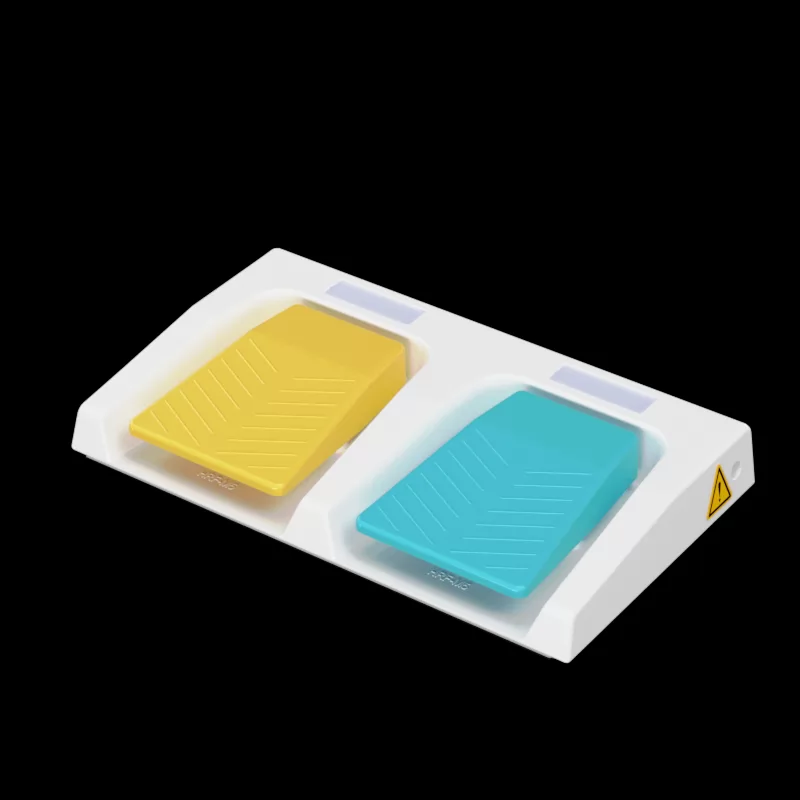
When it comes to choosing the right foot switch for your needs, understanding the differences between momentary and maintained foot switches is critical. Many users wonder about which type best suits their application, leading to common questions: "When should I use a momentary foot switch?" or "What scenarios require a maintained foot switch?" These questions often arise from pain points

September. 18, 2026

Ergonomic benefits of dual pedal design Ergonomic benefits of dual pedal design
In today’s fast-paced work environment, achieving ergonomic efficiency is more crucial than ever, especially for those who spend long hours at desks or in production lines. Users often face issues such as repetitive strain injuries and fatigue due to poorly designed tools. The dual pedal switch design addresses these pain points effectively, allowing users to operate machinery or software

September. 17, 2026

IP67 vs IP68 foot switch for marine use IP67 vs IP68 foot switch for marine use
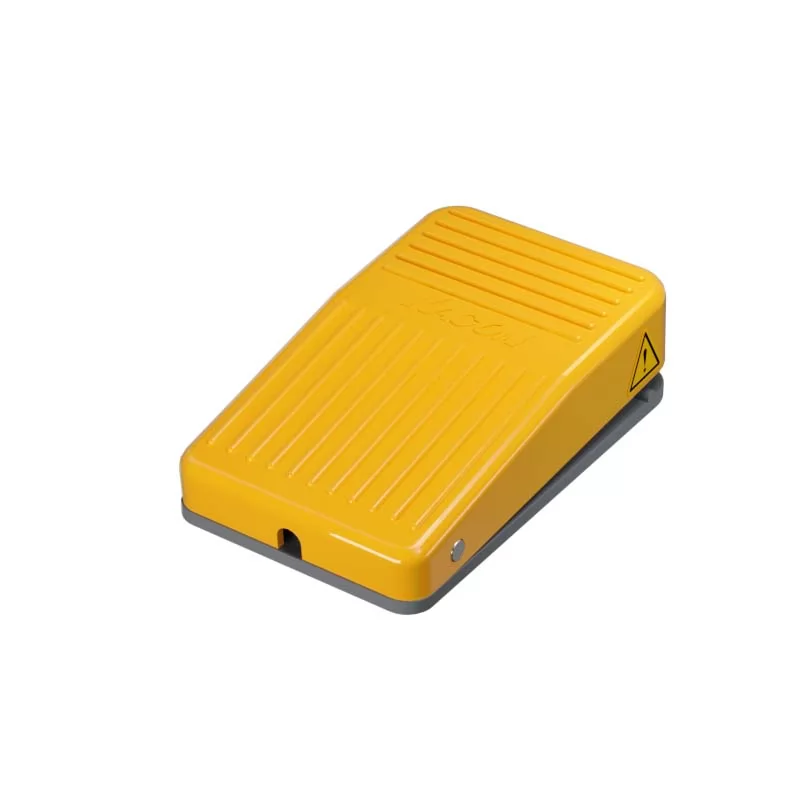
IP ratings, or Ingress Protection ratings, indicate how well a device is protected against dust and water. The ratings range from IP00 (no protection) to IP68 (protected against dust and water immersion).

September. 16, 2026

Best dual foot switch for hydraulic presses Best dual foot switch for hydraulic presses
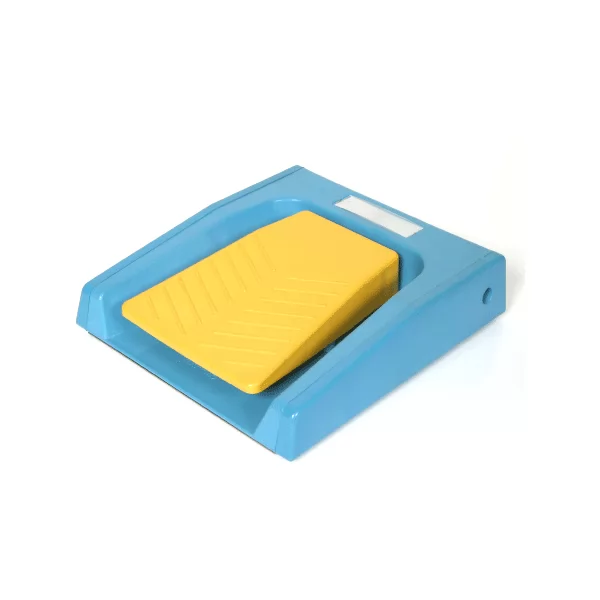
In today's rapidly evolving manufacturing environment, operators face numerous challenges when using hydraulic presses. Duplicate tasks, cramped workspace, and the need for efficient hands-free operation are common pain points. A dual foot switch is an effective solution for these issues, allowing for precise control with minimal user strain. By incorporating advanced functionality, these

September. 16, 2026

Wiring diagram for dual safety foot switches Wiring diagram for dual safety foot switches
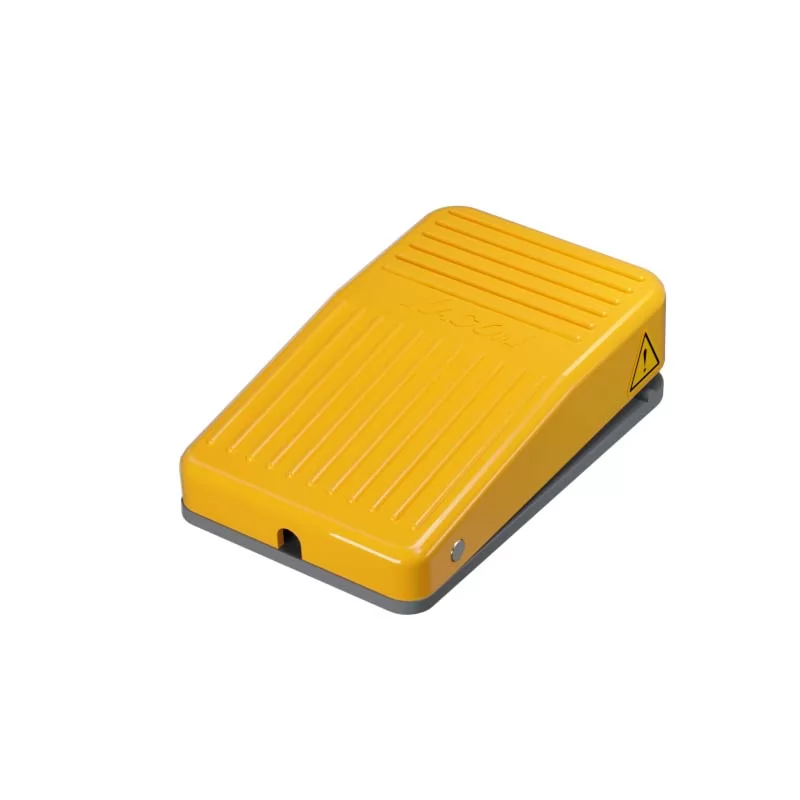
The dual foot pedal switch is an essential component in various industrial applications, providing remote control for machinery when combined with a safety mechanism. Proper wiring is crucial for ensuring safety and functionality. In this article, we will explore the wiring diagrams for dual safety foot switches, highlighting best practices, safety regulations, and practical steps for

September. 15, 2026

Troubleshooting 3-position switch contacts Troubleshooting 3-position switch contacts
Are you struggling with malfunctioning 3-position switches in your control systems? Many technicians and hobbyists experience issues related to inconsistent switch contacts that lead to operational failures. Here, we will explore effective troubleshooting strategies that not only enhance the reliability of your systems but also minimize downtime. By focusing on practical solutions grounded in

September. 15, 2026

Want to speak to us?
The quickest way to identify the best solution for your needs is to speak with one of our team of experts. We'll be able to quickly narrow down your options and give you objective advice on the best fit.
Get in Touch
  • Products
    • Medical Foot Switch
    • Heavy Duty Footswitch
    • Limit Switch
    • Control Switch
    • Safety Door Switch
    • Safety Relay Module
    • Safety Light Curtain
    • Relay
    • Terminal Block
    • Buzzer
    • Timer
    • Temperature Controller
    • Micro Switch
    • Circuit Protection
    • Tower Light
    • Power Supply
  • About KACON
    • Company Profile
    • Quality Certificates
    • Warranty Policy
  • Solution
    • Solution Proposal
    • Successful Cases
  • Quick Links

    • Customization
    • Download
    • Project Management
    • FAQ
    • Media
  • Send Inquiry
Copyright @ Zhejiang Kacon Electric Co., Ltd. All Rights Reserved | Sitemap | Powered by Reanod