May. 18, 2026
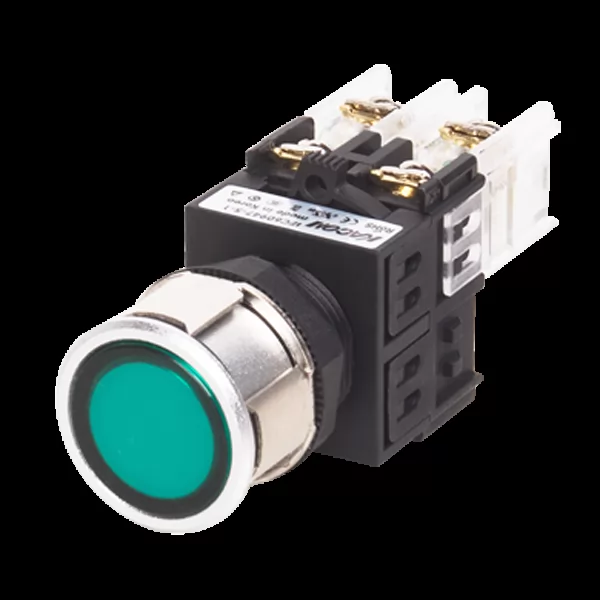
An emergency stop button is a critical safety feature designed to halt machinery operations immediately in the event of an emergency. These buttons are typically bright red and are prominently placed for quick access.
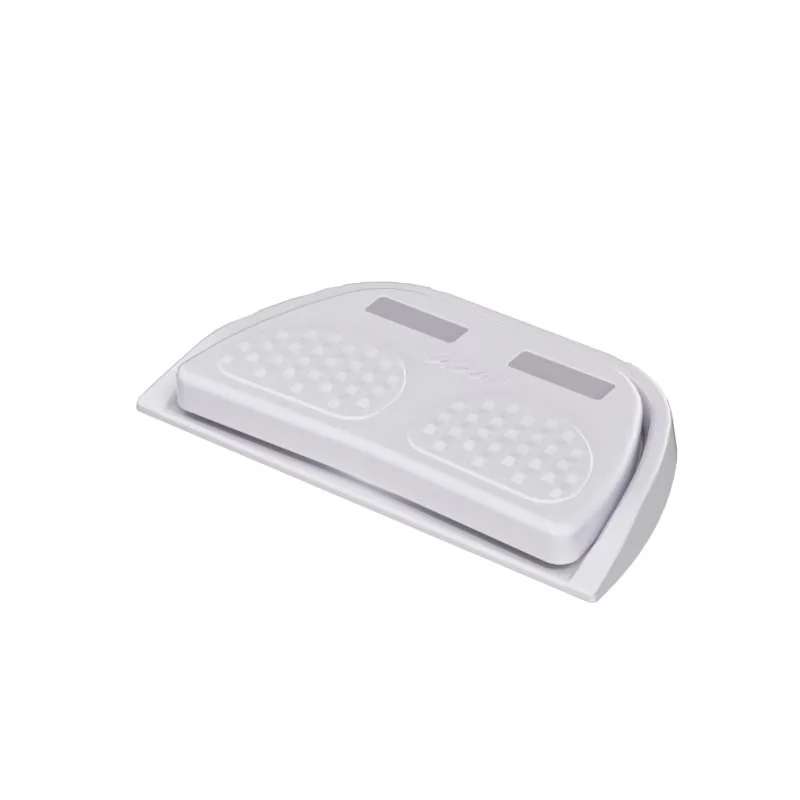
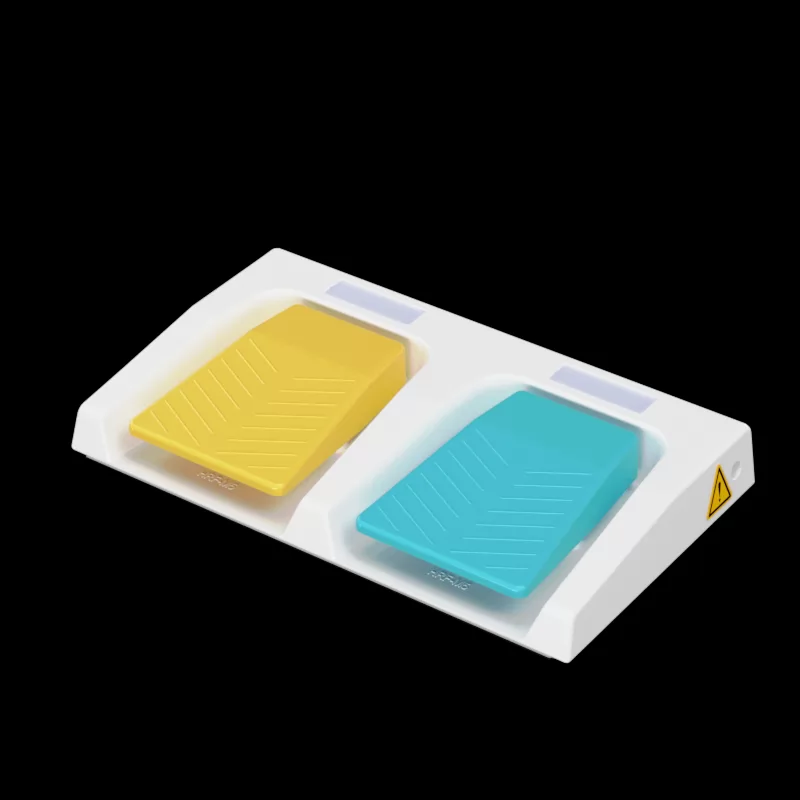
A foot switch is a device operated by foot action, allowing users to control machinery hands-free. It is commonly used in applications where foot control enhances safety and efficiency.

Here's a comparative overview of essential parameters we analyzed:
Operation Type: Manual vs. Automated
Safety Ratings: IEC and UL certifications
Durability: Material composition and lifespan
Response Time: Activation speed measured in milliseconds
Weight Capacity: Maximum load and operational limits
Emergency stop buttons generally do not rely on batteries; however, a foot switch may require batteries depending on the model. Users often report that foot switches with long-lasting battery life enhance productivity without the need for frequent replacements.
Stability is crucial; users favor emergency stop buttons for their solid mounting and ease of access in emergencies. In contrast, foot switches may have variability based on their design; heavier, well-constructed models are often preferred for consistent performance.
Pros: Quick access, clear visibility, robust design
Cons: Primarily a single-function device, can be accidental if not placed correctly
Pros: Hands-free operation, versatility in applications
Cons: Potential for misoperation, varying quality depending on manufacturer
In conclusion, both emergency stop buttons and foot switches play essential roles in improving industrial safety and operational efficiency, but they serve very different purposes. Emergency stop buttons are indispensable for critical safety control, offering immediate machine shutdown in high-risk environments, while foot switches provide hands-free convenience that supports productivity in specialized workflows. Choosing the right device depends on the specific application, safety requirements, and user environment. High-quality components from trusted manufacturers can significantly enhance reliability and performance over time. For example, solutions from Kacon are widely recognized for their durability and consistent safety standards, making them a dependable choice for industrial control systems.
 Momentary vs maintained foot switch
 Ergonomic benefits of dual pedal design
 IP67 vs IP68 foot switch for marine use
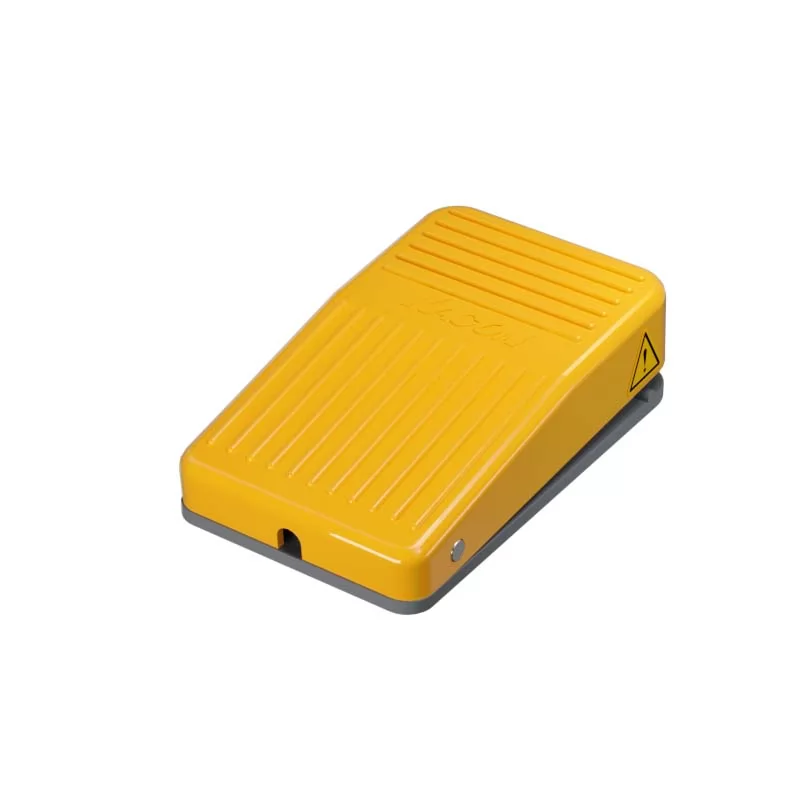 Best dual foot switch for hydraulic presses
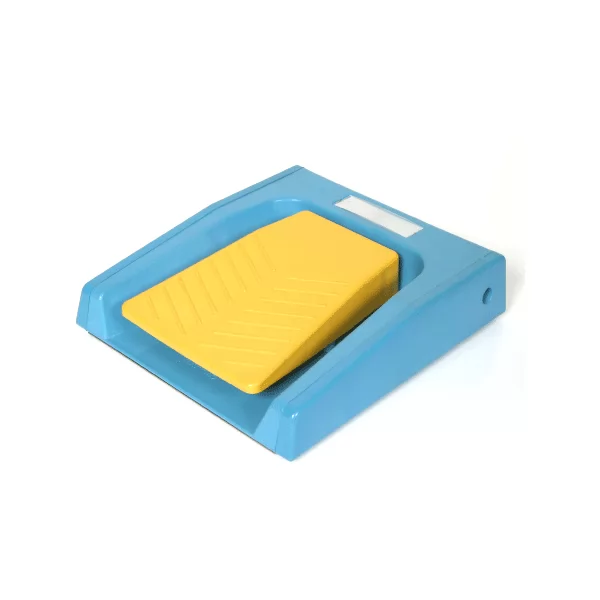 Wiring diagram for dual safety foot switches
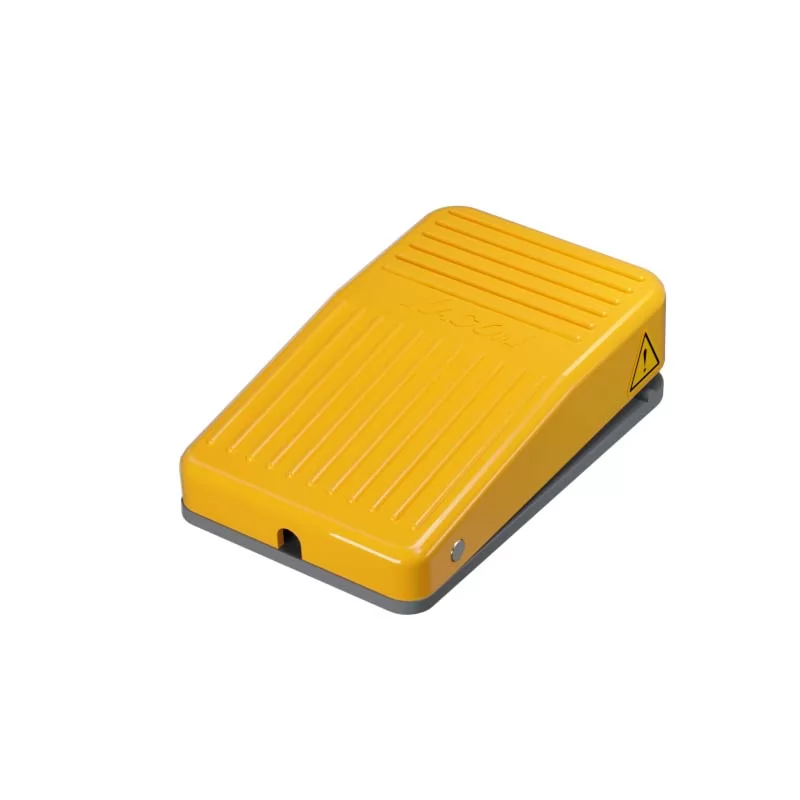 Troubleshooting 3-position switch contacts