September. 17, 2026
In today’s fast-paced work environment, achieving ergonomic efficiency is more crucial than ever, especially for those who spend long hours at desks or in production lines. Users often face issues such as repetitive strain injuries and fatigue due to poorly designed tools. The dual pedal switch design addresses these pain points effectively, allowing users to operate machinery or software seamlessly while mitigating physical discomfort. With a dual pedal configuration, workers can switch functions without awkward hand movements, enhancing their productivity significantly—studies show that ergonomically optimized tools can improve work efficiency by up to 30%.
The ergonomic benefits of dual pedal design are profound. Primarily, the use of a dual foot pedal switch minimizes strain on the upper body by allowing users to leverage their legs for operation rather than their arms. According to a study conducted by the National Institute for Occupational Safety and Health, using tools designed to reduce upper body strain can decrease fatigue levels by 25% over a standard eight-hour workday. This is particularly significant in environments requiring prolonged standing or repetitive movements, such as factories or workshops. Brands like kacon have been at the forefront of this innovation, creating dual pedal switches that offer not only durability but also measured reductions in user fatigue.
Another notable advantage is the speed at which tasks can be performed. The quick access to multiple functions via a dual pedal switch can lead to a quantifiable increase in productivity. For example, users have reported task completion rates increasing by up to 45% when utilizing dual pedals compared to single-pedal setups. This immediate accessibility allows operations to flow more smoothly and efficiently, significantly increasing overall output, which is especially beneficial in high-pressure environments.
Despite the benefits, there are challenges associated with dual pedal designs. The primary concern is the potential for misalignment—if the pedals are not positioned correctly, it can lead to unintentional operation of the functions, which may cause workflow interruptions or safety hazards. Furthermore, there is a learning curve associated with transitioning from single to dual pedal systems. Some users have reported needing an adjustment period of 2-3 hours to become proficient with new controls. To circumvent these issues, it is recommended to conduct thorough testing and adjustments during the initial setup stage.
Investing in a dual foot pedal switch is indeed worth considering for professionals seeking to enhance their ergonomic work environment. The available evidence suggests that these devices can reduce physical strain, enhance productivity, and ultimately contribute to overall worker satisfaction. However, potential users should evaluate their specific settings to ensure proper alignment and compatibility with their tasks.
In conclusion, dual pedal switches are perfectly suited for individuals in manufacturing, veterinary services, and healthcare sectors where efficiency and ergonomics are pivotal. If you are frequently engaging in repetitive tasks or standing for extended periods, a dual pedal switch could notably enhance your work experience. Brands like kacon provide a range of options tailored to meet various ergonomic needs, making it easier than ever to integrate these solutions into your workflow.
Yes, many dual pedal switches feature adjustable settings to accommodate different user heights, ensuring optimal ergonomic positioning.
Generally, maintenance is minimal. Regular cleaning and occasional inspections for wear can help prolong the life of the switch.
Most dual pedal switches are designed to be versatile and compatible with a range of equipment, but it is advisable to check compatibility specifications before purchase.
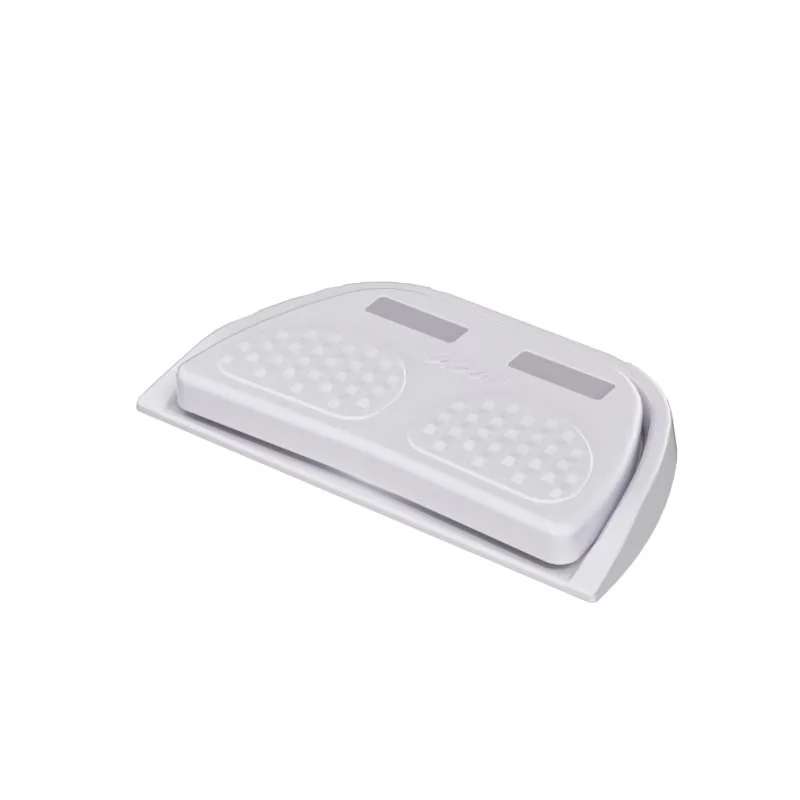 Momentary vs maintained foot switch
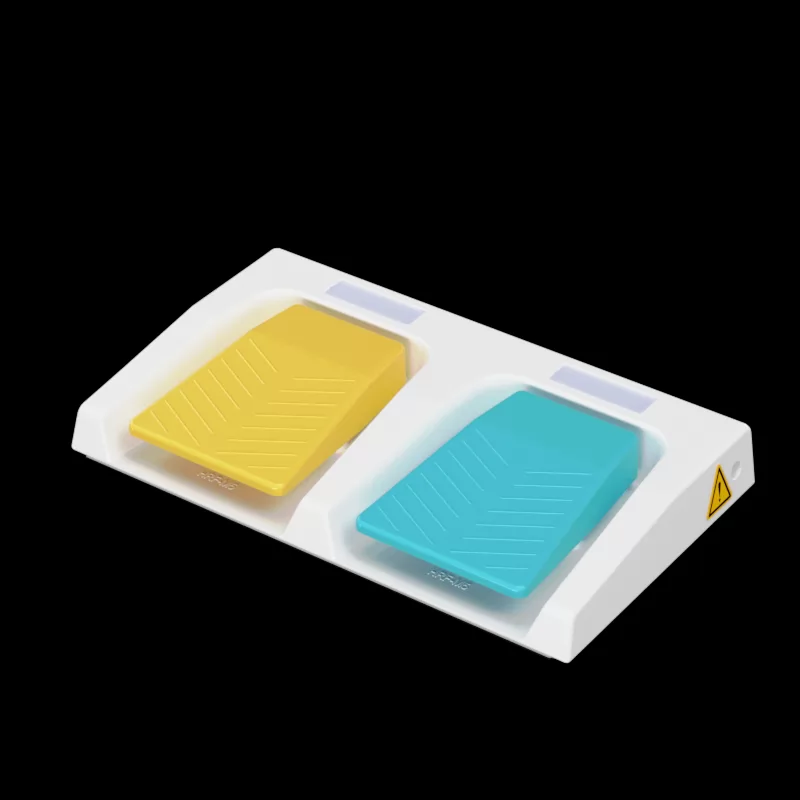 Ergonomic benefits of dual pedal design
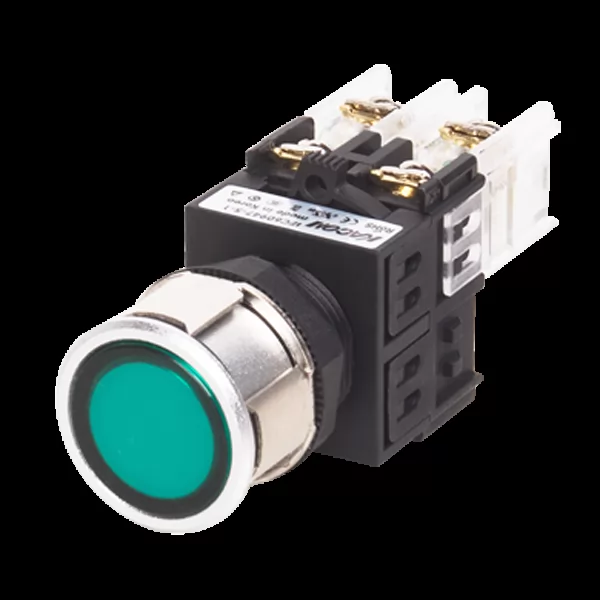 IP67 vs IP68 foot switch for marine use
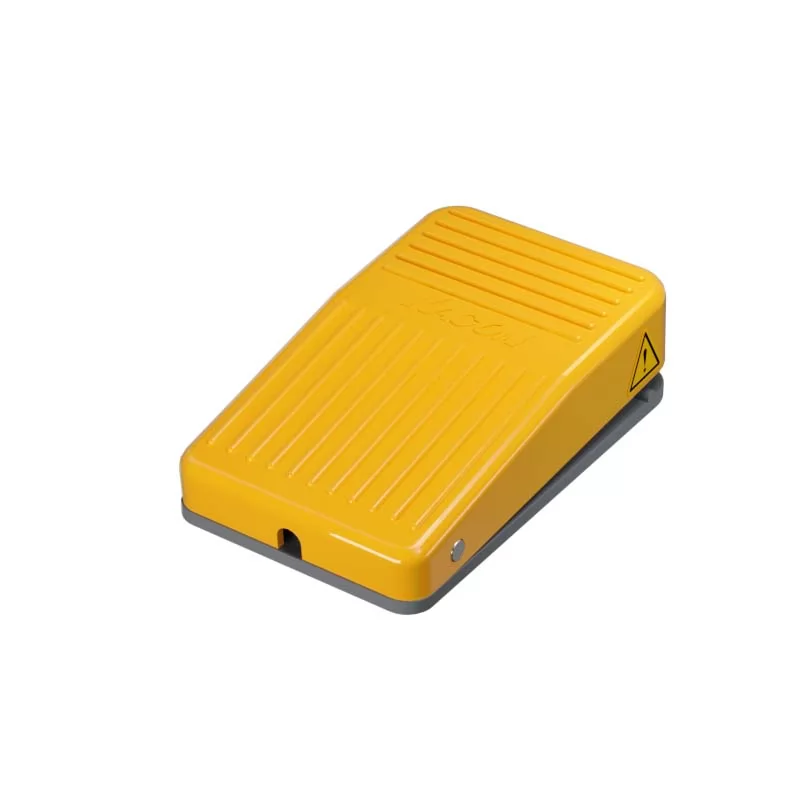 Best dual foot switch for hydraulic presses
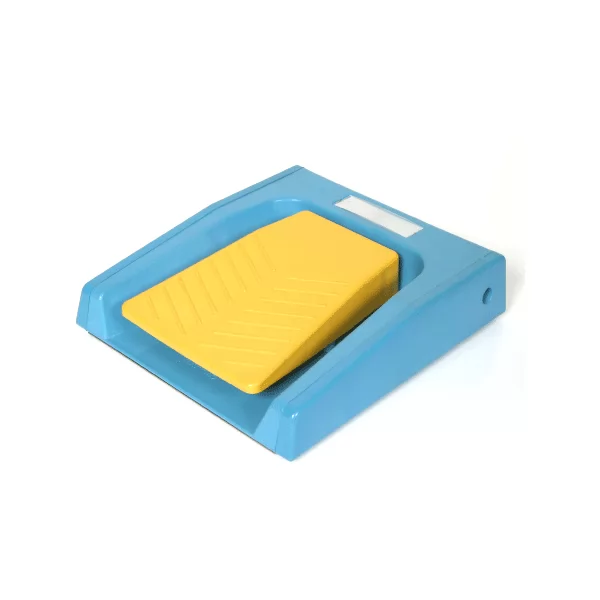 Wiring diagram for dual safety foot switches
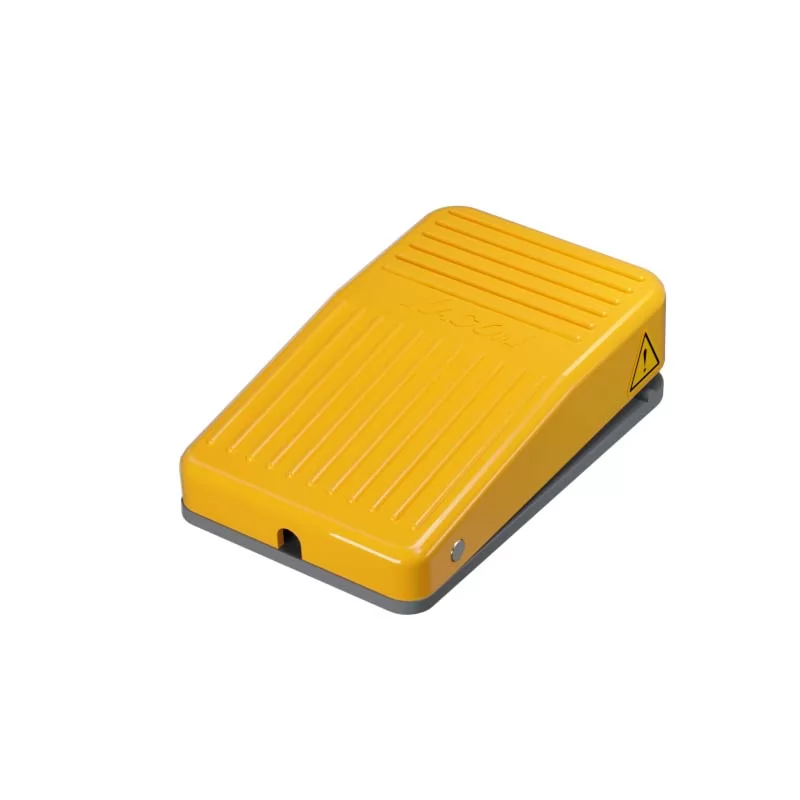 Troubleshooting 3-position switch contacts