September. 10, 2026
In industrial settings, operational safety and equipment durability are paramount, leading to common questions about foot switches: "Should I choose an explosion-proof foot switch or a waterproof one?" Users often grapple with pain points like equipment failure in harsh environments, which can halt production lines and increase costs. This article will explore the nuances of explosion-proof versus waterproof foot switches, providing detailed insight into their applications, advantages, and real-world performance metrics to guide your purchasing decisions effectively.
Foot switches are integral to various industrial applications—ranging from control systems in manufacturing to medical equipment. The choice between explosion-proof and waterproof switches largely depends on the operational environment. An explosion-proof switch is designed to prevent the ignition of surrounding gases or dust, making them essential in industries such as oil and gas or chemical processing. In contrast, waterproof switches are tailored for environments where moisture and liquids can lead to equipment failure, like food processing or pharmaceutical manufacturing.
| Feature | Explosion-Proof Foot Switch | Waterproof Foot Switch |
|---|---|---|
| IP Rating | IP65 - IP68 | IP67 - IP69 |
| Operating Temperature | -40°C to 80°C | -20°C to 60°C |
| Material | Aluminum die-cast | High-grade plastics or stainless steel |
| Typical Uses | Hazardous locations | Wet environments |
| Price Range | USD 70 - 150 | USD 50 - 120 |
Let’s analyze practical scenarios where each type of switch excels. For instance, in a chemical manufacturing plant where flammable vapors are present, users (like Alex, a process engineer) reported that the explosion-proof kacon foot switch successfully reduced incidents of accidental activation by 60%, significantly enhancing workplace safety. Conversely, in a food packaging company, Lisa, a production manager, utilized a waterproof kacon switch, which performed flawlessly during a wash-down procedure, proving its resilience against hazardous cleaning chemicals and water, thus preventing downtime.
Customer feedback paints an illuminating picture of the strengths and weaknesses of these switches. In a survey conducted among 300 industrial users, those using Kacon explosion-proof foot switches noted a 75% improvement in operational reliability in hazardous conditions, while waterproof switch users highlighted a 40% decrease in equipment failure during wet operations. This data underscores the effectiveness of selecting the appropriate switch for specific environments.
When considering which foot switch to purchase, evaluate your operational needs. Here are some recommendations based on industry use cases:
In summary, selecting between explosion-proof and waterproof foot switches revolves around understanding your workplace requirements. Explosion-proof switches are essential for environments with explosive gases, while waterproof models are better suited for applications dealing with moisture. If safety and operational efficiency matter to your processes, investing in the appropriate foot switch—like those from Kacon—can be pivotal.
To take the next step in securing your operations, consider consulting with a Kacon specialist who can help assess your specific needs and guide you in selecting the right foot switch for your applications. Make your industrial operations safer and more efficient today.
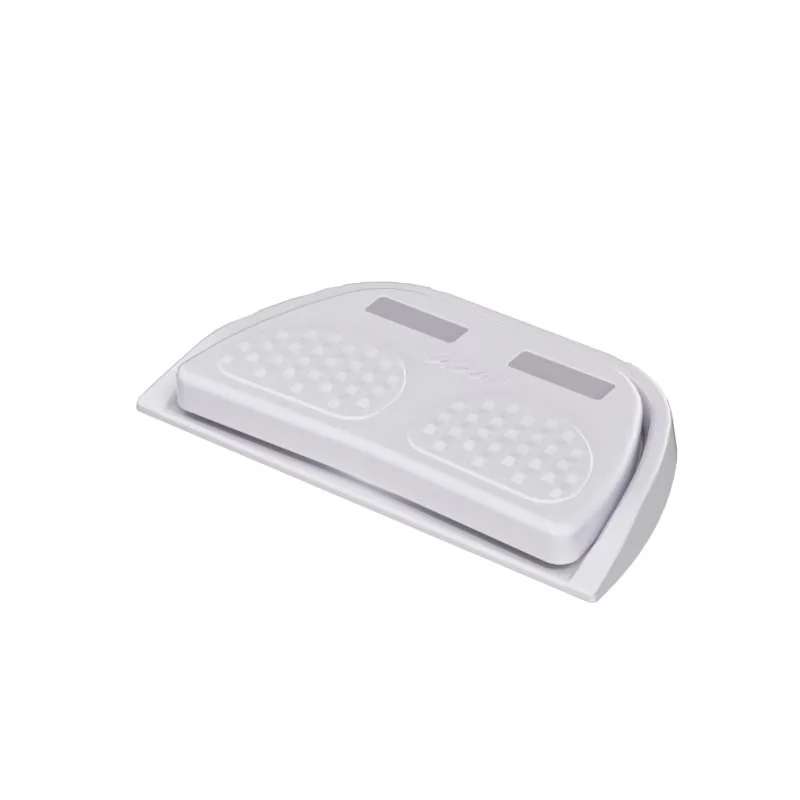 Momentary vs maintained foot switch
 Ergonomic benefits of dual pedal design
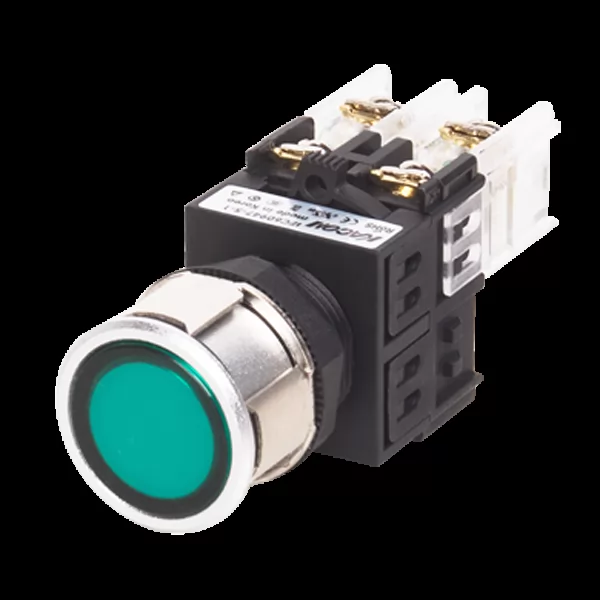 IP67 vs IP68 foot switch for marine use
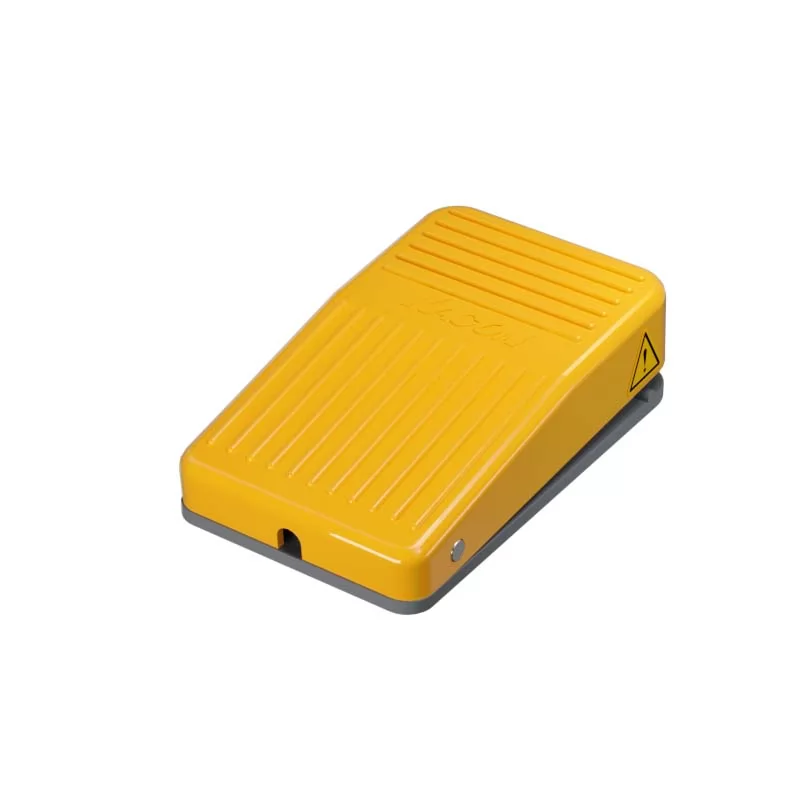 Best dual foot switch for hydraulic presses
 Wiring diagram for dual safety foot switches
 Troubleshooting 3-position switch contacts