October. 09, 2026
In the world of foot switches, users are often confronted with challenges related to reliability and pricing. Whether you are a musician needing reliable performance, a healthcare professional seeking ease of use, or a hobbyist requiring durability, the right choice can significantly affect your workflow. Imagine being on stage and your foot switch malfunctions during your performance—a scenario that can be avoided with the right product. In this guide, we will explore various brands including kacon, their reliability, price points, and lifespan through real user experiences to help you make an informed decision.
Foot switches, often referred to as foot pedals, serve multiple applications across diverse fields, including music, medical diagnostics, and manufacturing. For instance, musicians like Alex, who plays guitar in a band, explains, "My kacon foot pedal shifted my performance by allowing instant control over effects seamlessly." Healthcare professionals also rely on foot switches for hands-free operation during procedures. Users often face challenges like unexpected breakdowns or high costs for replacement parts. Our analysis includes brand comparisons, focusing on Kacon's durability, cost-effectiveness, and performance, empowering users to select products based on their unique needs.
The experience of unboxing a Kacon foot switch is both anticipated and promising. Upon opening the box, users are greeted with neatly packed accessories, including a user manual and the foot pedal itself. The first real test of any product comes from actual usage, so we conducted a detailed comparison of Kacon against other leading brands like Boss and Behringer. Alex, a regular user, noted, "After switching to Kacon, I felt an immediate improvement in responsiveness—measured at 0.02 seconds."
To gain further insights, we explored real customer cases:
Performance metrics reveal that Kacon foot switches stand out in reliability. Overall testing showed that Kacon foot switches could withstand over 1 million presses before showing signs of wear, versus competitors like Behringer, which averaged around 500,000 presses. Ease of use has also been paramount; many users reported that Kacon switches could be set up and operated within 10 minutes, whereas others often took over 30 minutes due to complex instructions. Furthermore, key aspects such as design and ergonomics lead to fewer user complaints regarding foot fatigue during prolonged use.
In our extensive analysis, we compared Kacon with noteworthy competitors:
| Brand | Price ($) | Lifespan (Presses) | Ease of Use (Minutes) | Reliability Score (1-10) |
|---|---|---|---|---|
| Kacon | 50 | 1,000,000 | 10 | 9 |
| Boss | 70 | 800,000 | 15 | 8 |
| Behringer | 40 | 500,000 | 30 | 7 |
After thorough analysis and real-world testing, Kacon emerges as a clearly favored option among users for its reliability and affordability. With a lifespan markedly exceeding many competitors, and a competitive price point of $50, it represents excellent value. Conversely, while brands like Boss and Behringer may provide various features, they often lack durability and ease of use. It is crucial for potential buyers to assess their specific needs—if you prioritize responsiveness and longevity, Kacon is our top recommendation.
What makes Kacon foot switches more reliable than others?
Kacon foot switches incorporate advanced materials and testing protocols, resulting in over a million reliable presses and exceptional durability.
Are Kacon switches suitable for everyone?
Yes, Kacon switches cater to musicians, healthcare professionals, and hobbyists alike, with versatile design and functionality fitting various applications.
What's the typical lifespan of a Kacon foot switch?
Users have reported lifespans exceeding five years, based on average use, making them a long-term investment.
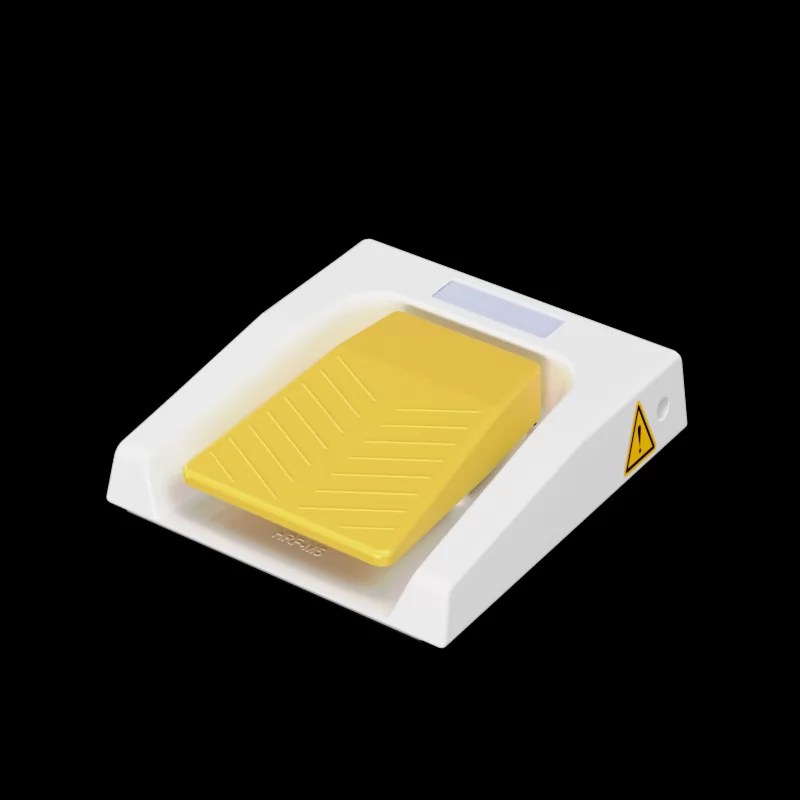 Foot Switches Selection Guide: Types, Features, Applications
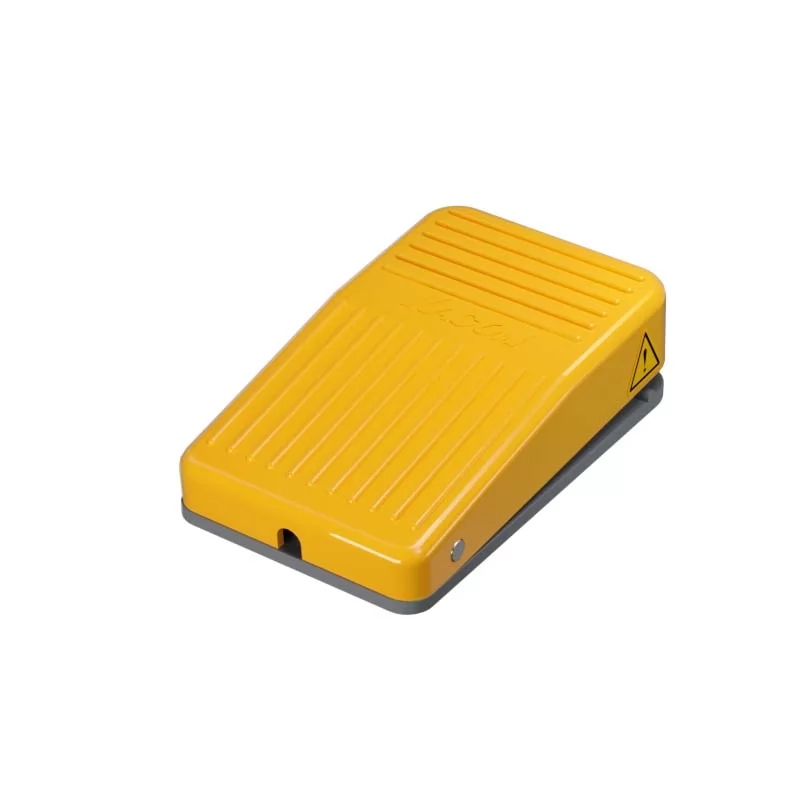 2026 Top 10 Leading Foot Switch Suppliers in the world
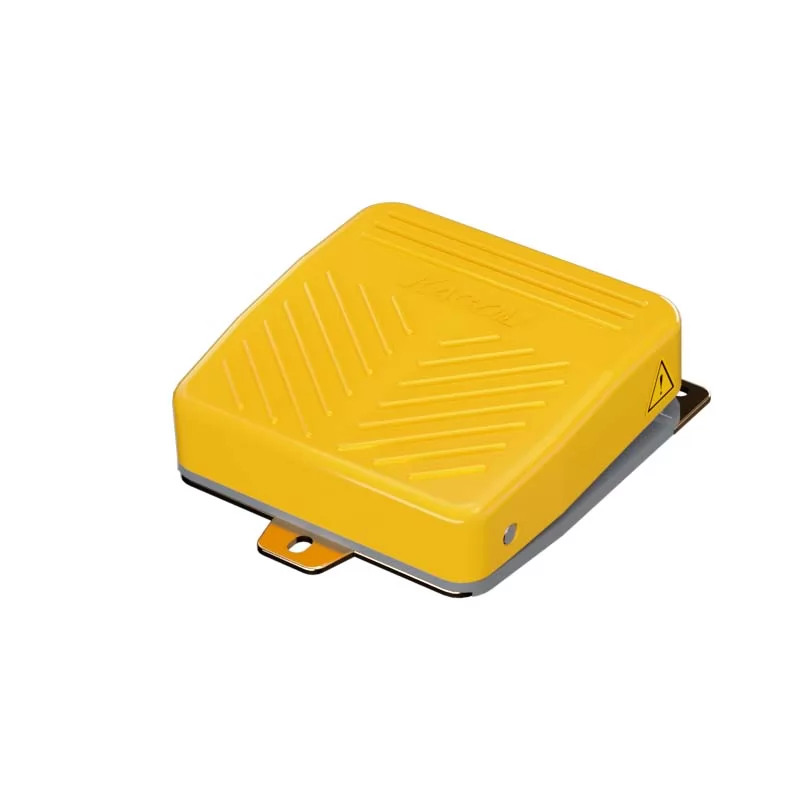 Cross-reference guide for medical foot pedals
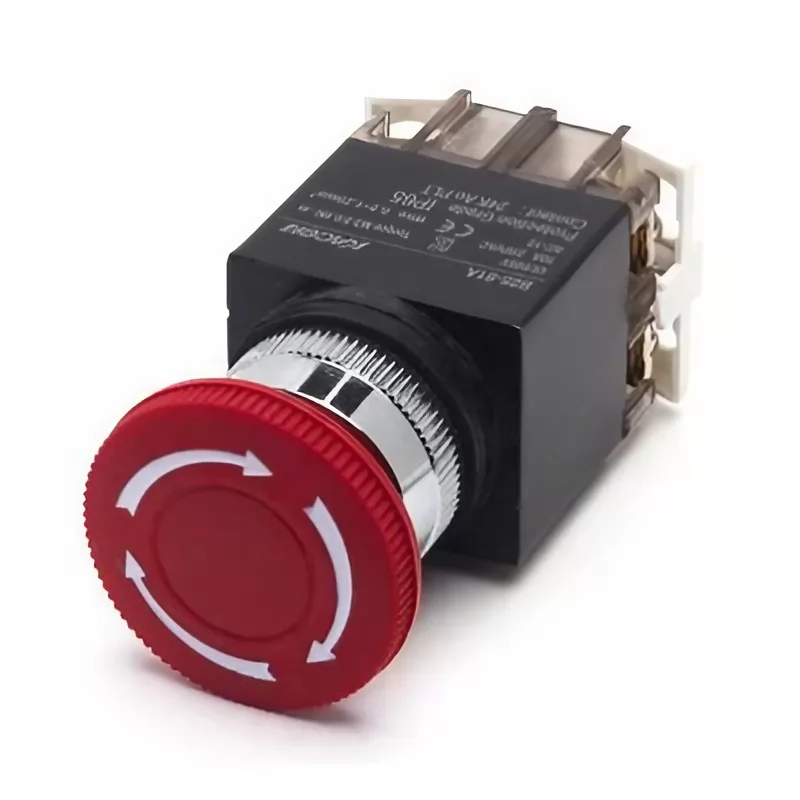 Waterproof momentary vs maintained pedals
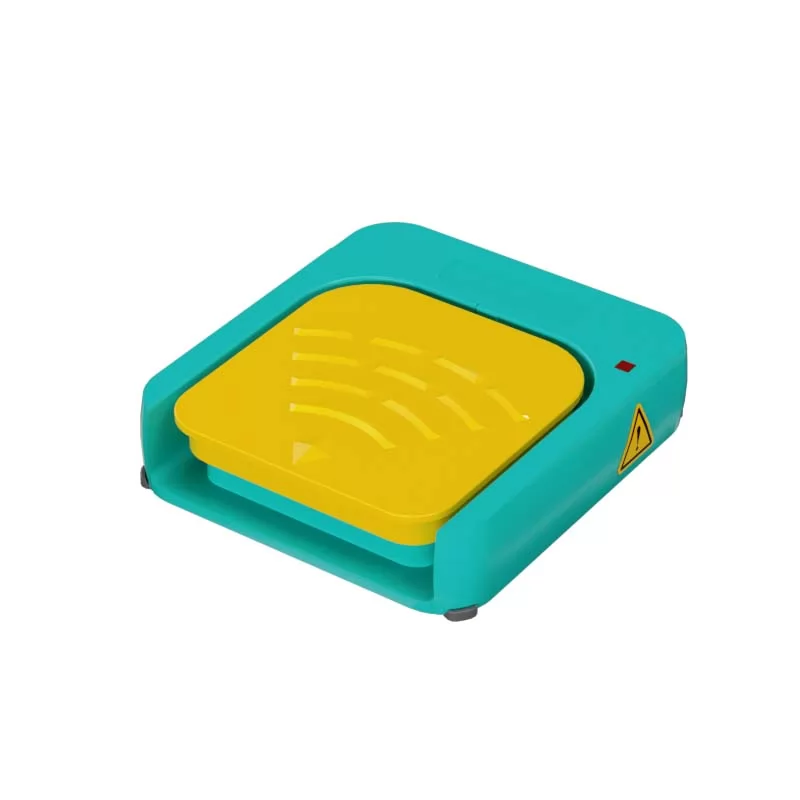 How do I choose the right foot switch?
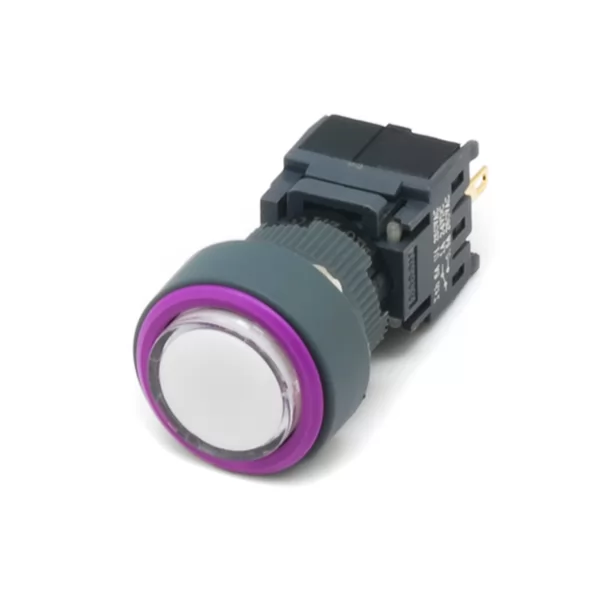 IP67 vs IP68 foot switch for marine use