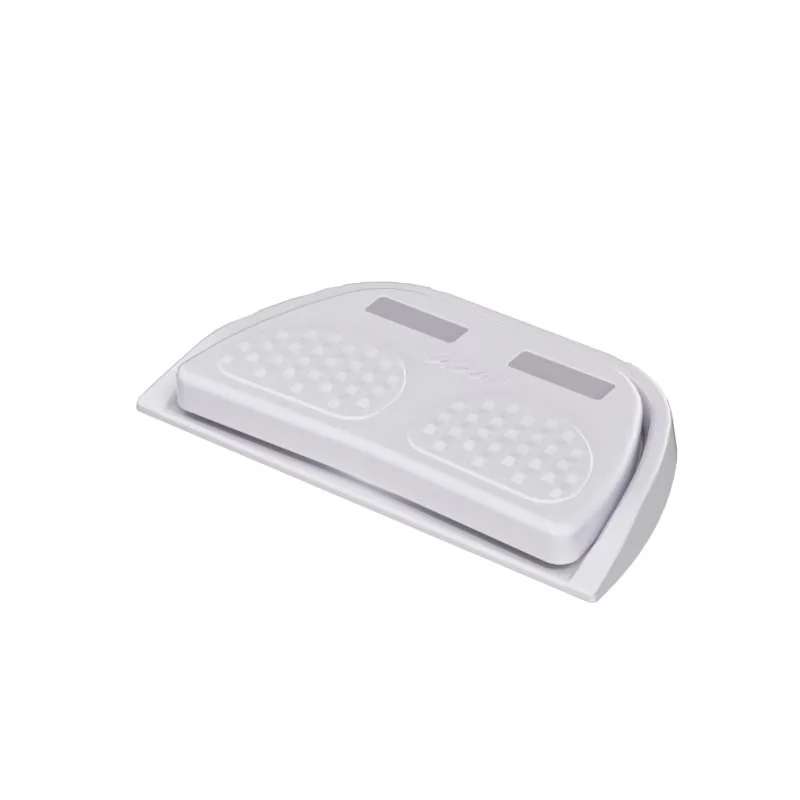
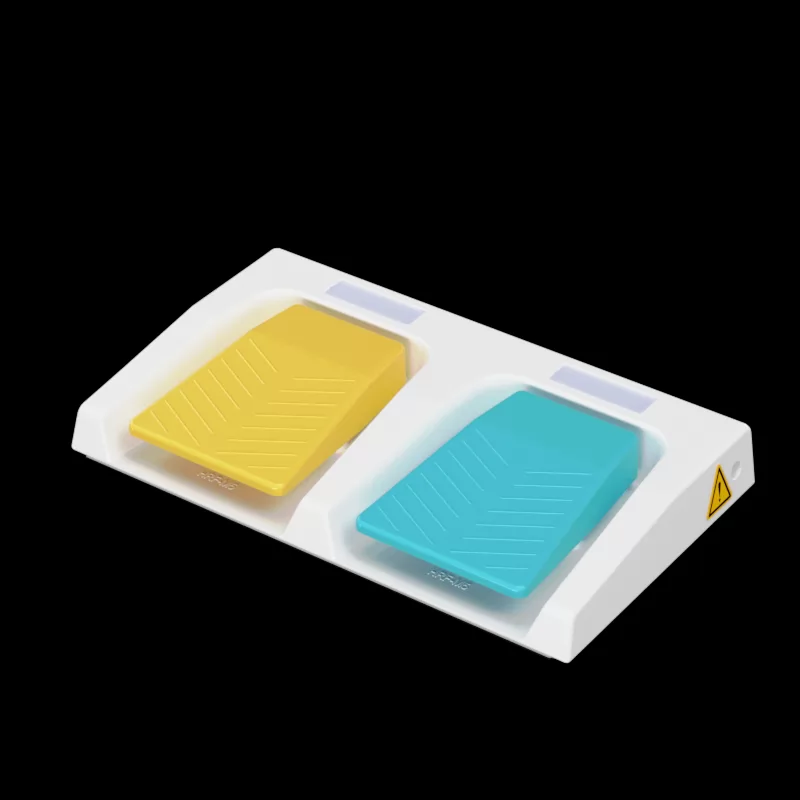
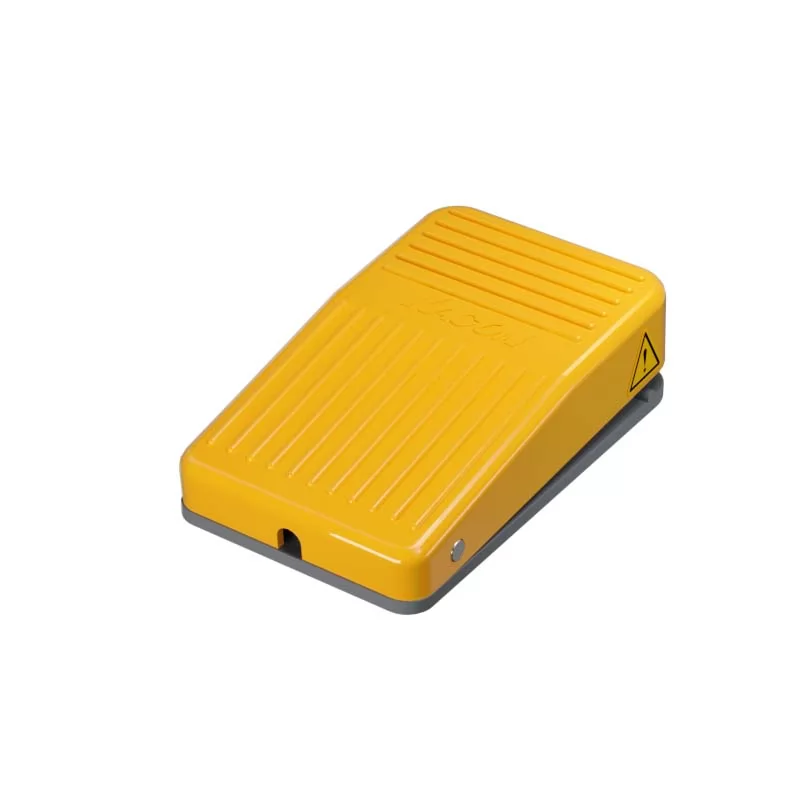
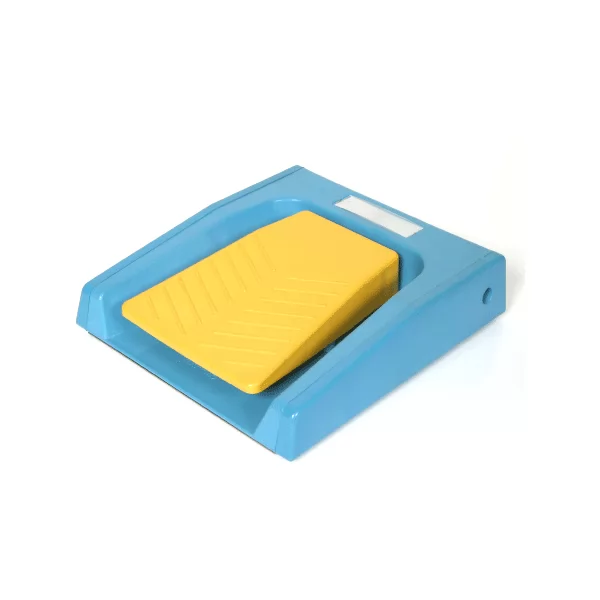
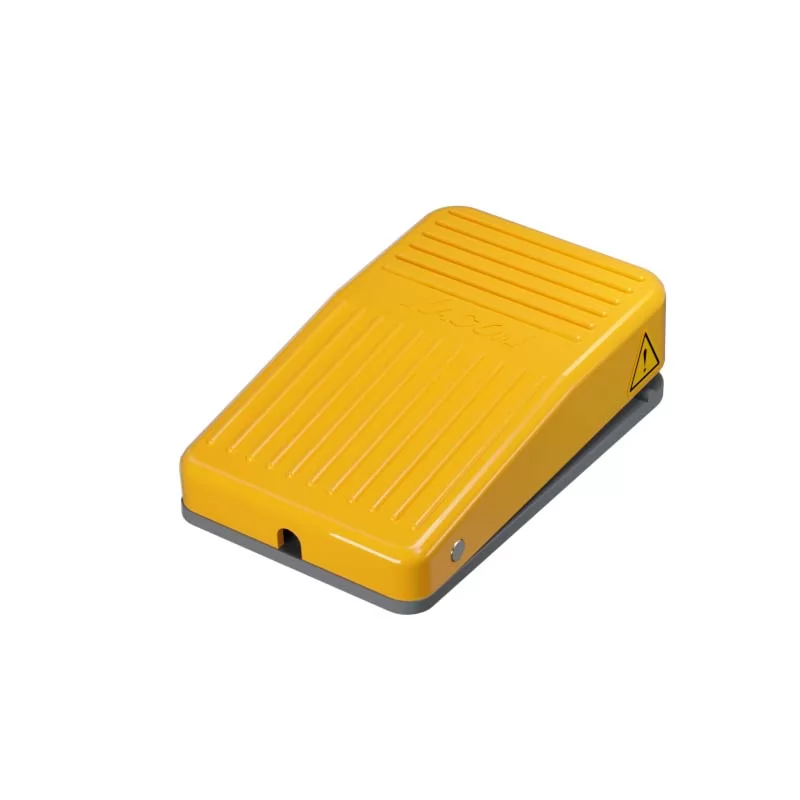
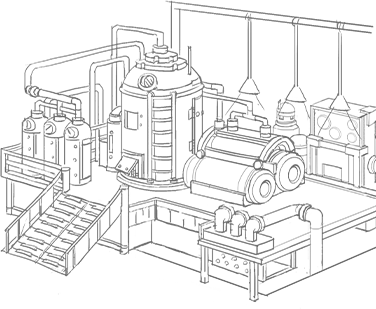
The industrial foot switch is an essential component in numerous applications, enabling hands-free operation of machinery and equipment. These devices are characterized by specific electrical ratings, reflecting their operational limits and ensuring safety and reliability in use. In this article, we will explore the critical aspects of foot switch contact ratings, including why they matter, how to choose the right one, and the implications for various industries.
What is a Foot Switch Contact Rating?
- Definition: A contact rating refers to the maximum load that a foot switch can handle, typically defined in voltage (V) and current (A).
- Importance: Understanding a contact rating is crucial for avoiding equipment damage or failure and ensuring operator safety.
- Common Ratings: Typical ratings include 5A, 10A, or 15A at specific voltage levels, such as 125V or 250V.
Why Does Contact Rating Matter?
- Safety: Using a foot switch beyond its rating can lead to overheating, short circuits, and potential injuries.
- Performance: Proper contact ratings ensure optimal performance consistency. Mismatched ratings may result in equipment malfunction.
- Regulatory Compliance: Many industries have stringent regulations regarding electrical devices. Adhering to contact ratings is key to compliance.
Choosing the Right Foot Switch Contact Rating
- Assess Your Requirements: Determine the voltage and current demands of your application.
- Consider Load Type: Identify if the load is resistive or inductive, as inductive loads typically require higher ratings.
- Evaluation of Environment: From high humidity areas to environments with mechanical stress, select a switch that meets these specific conditions.
Applications of Foot Switches and Their Ratings
- Healthcare: In medical settings, foot switches are used in surgical and diagnostic equipment. Compliance with contact ratings is essential for reliable operation.
- Manufacturing: In automated processes, foot switches help improve efficiency while requiring precise ratings to handle electrical loads.
- Robotics: Foot switches in robotics require ratings suitable for controlling power tools and machinery without manual intervention.
Steps to Installing and Testing Foot Switches
- Installation: Ensure power is off. Connect the foot switch according to the manufacturer’s guidelines, using appropriate tools.
- Testing: Once installed, perform a functional test under normal load conditions to ensure it operates within rated limits.
- Regular Maintenance: Implement a schedule for routine checks to monitor the condition of the foot switch and ensure it remains within acceptable limits.
Common Misconceptions About Foot Switch Ratings
- “All Foot Switches Are the Same”: Each switch has specific ratings; always verify suitability for your application before use.
- “Higher is Better”: Choosing a switch with a contact rating too far above your needs can lead to a lack of control or sensitivity.
Resources for Selecting Foot Switches
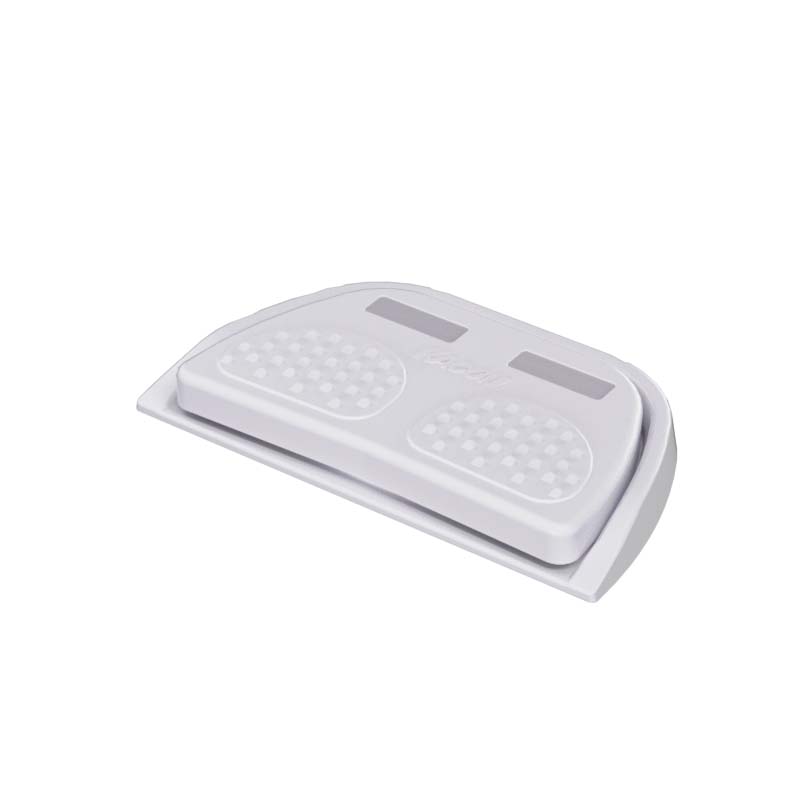
Access comprehensive data and technical sheets at kacon.net/">kacon's website. Guidance for selecting foot switches based on application needs can be found there, including visuals like this: 
Conclusion
Choosing the right foot switch contact rating is crucial for safety, performance, and compliance across various industries. By understanding the different aspects of foot switch ratings and making informed decisions based on application needs, operators can enhance both safety and efficiency in their work environments.