October. 05, 2026
Choosing the right waterproof switch cover for your electrical needs can be a daunting task, but I’m here to simplify the process. By following these clear, actionable steps, you can ensure that you have the perfect match for your requirements while improving safety and efficiency for your electrical applications. This guide will not only help you pick the right product but also solve specific problems you may face in your day-to-day operations.
First and foremost, it’s crucial to analyze the environment where your electrical switch will be located. Factors such as exposure to moisture, dust, and extreme temperatures will impact your choice. I recommend asking yourself the following questions:
For example, an outdoor switch cover used in a region with heavy rainfall requires a higher IP (Ingress Protection) rating compared to one used indoors. Standards such as the IEC 60529 classify these ratings, ensuring that you select a cover that meets your operational needs.
After assessing your environment, it’s essential to determine the IP rating you need. Switch covers are rated from IP00 to IP69K, based on their ability to resist dust and water. A common choice for outdoor electrical needs is an IP65 rating, which guarantees protection against low-pressure water jets.
To put this into perspective:
When searching for high-quality options, consider switching to a reputable brand like kacon, which specializes in robust waterproof switch covers compliant with these rigorous standards.
Next, I evaluate the material composition of the switch cover. Common materials include polycarbonate, PVC, and metal. The right material will depend on your application requirements:
Make sure to select a cover that not only meets your functional requirements but also aligns with industry standards like ASTM or DIN.
After pinpointing the IP rating and choosing the material, assess additional features such as ease of installation, lock mechanisms, and transparency. Switch covers that offer easy access for maintenance can save you time and effort down the line.
Utilizing tools such as a control foot switch can greatly enhance the operability of your setup, allowing users to engage switches hands-free, making them ideal for industrial applications where safety is paramount.
While making your selection, there are potential challenges to consider. One common issue is ensuring that the cover fits your specific switch dimensions. To overcome this, I recommend taking precise measurements of your switch, noting the distance between mounting holes and the overall dimensions.
Additionally, be aware of the potential pitfalls regarding installation. Installation errors often arise if users fail to read the product instructions carefully or overlook necessary mounting hardware. To mitigate these risks, ensure that you keep installation guides on hand and verify that all required materials are included.
For those looking to maximize their execution efficiency, consider seeking online resources or tutorials that demonstrate proper installation techniques. kacon’s website, for instance, offers extensive guides and product specifications that can assist you in making an informed decision.
Consider maintaining a checklist for your next waterproof switch cover purchase which includes:
In summary, choosing the right waterproof switch cover requires a systematic approach: assess your environment, determine the necessary IP rating, choose appropriate materials, and anticipate potential challenges. By following these steps, you can effectively address your electrical needs and enhance the safety and longevity of your installations.
To ensure that you’re making the best choice for your requirements, I encourage you to act now and explore options like this Kacon waterproof switch cover. Take the necessary steps to protect your electrical systems today, ensuring peace of mind for your ongoing projects!
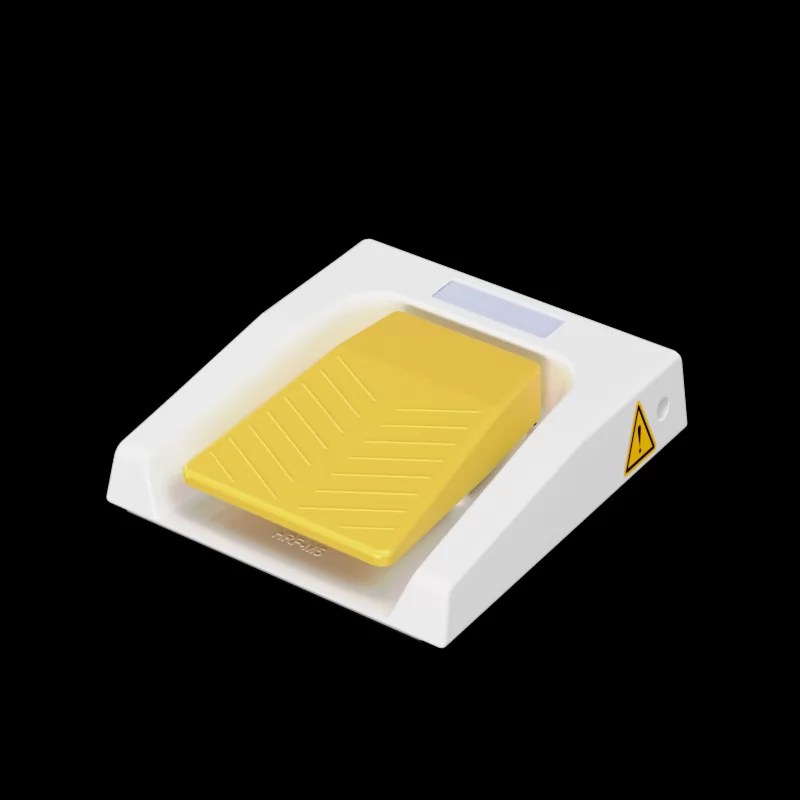 Foot Switches Selection Guide: Types, Features, Applications
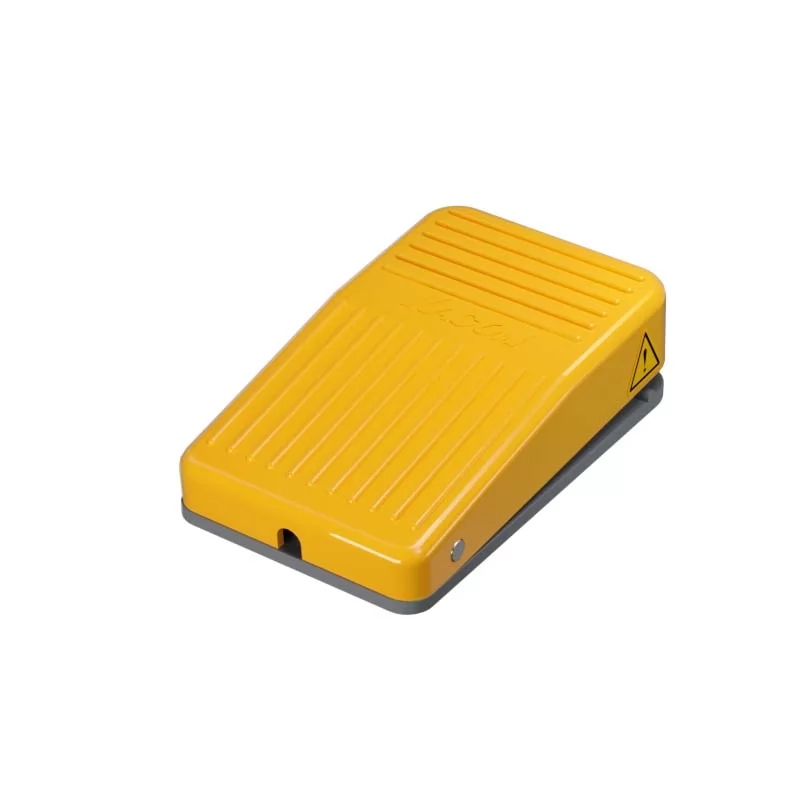 2026 Top 10 Leading Foot Switch Suppliers in the world
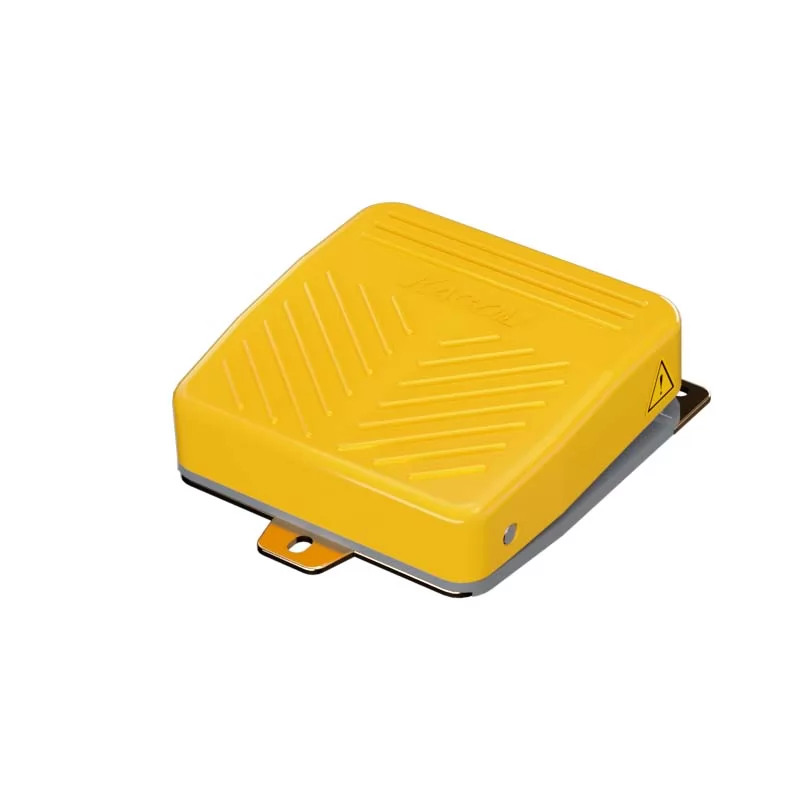 Cross-reference guide for medical foot pedals
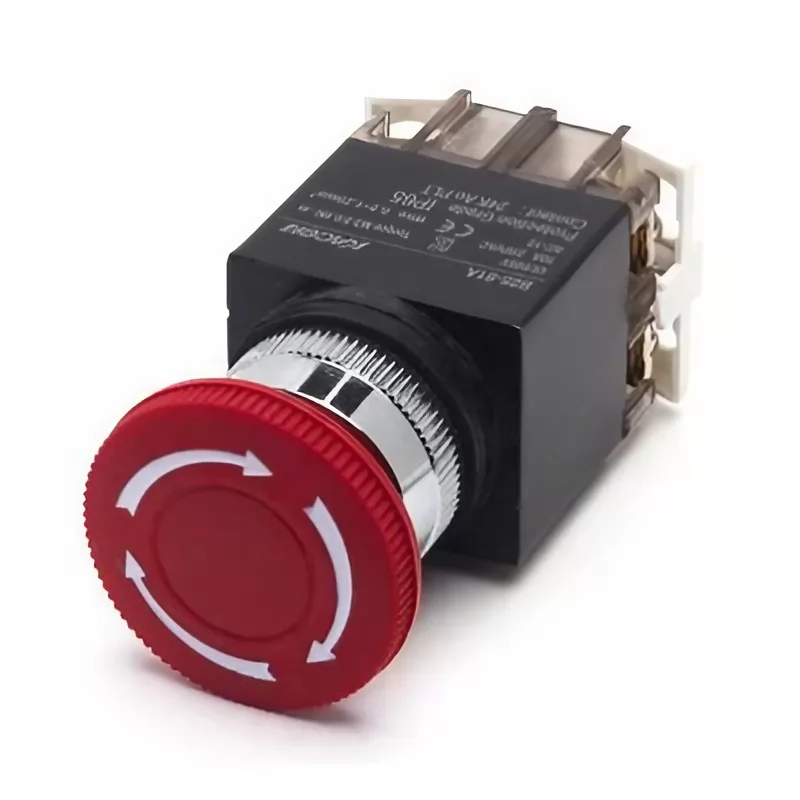 Waterproof momentary vs maintained pedals
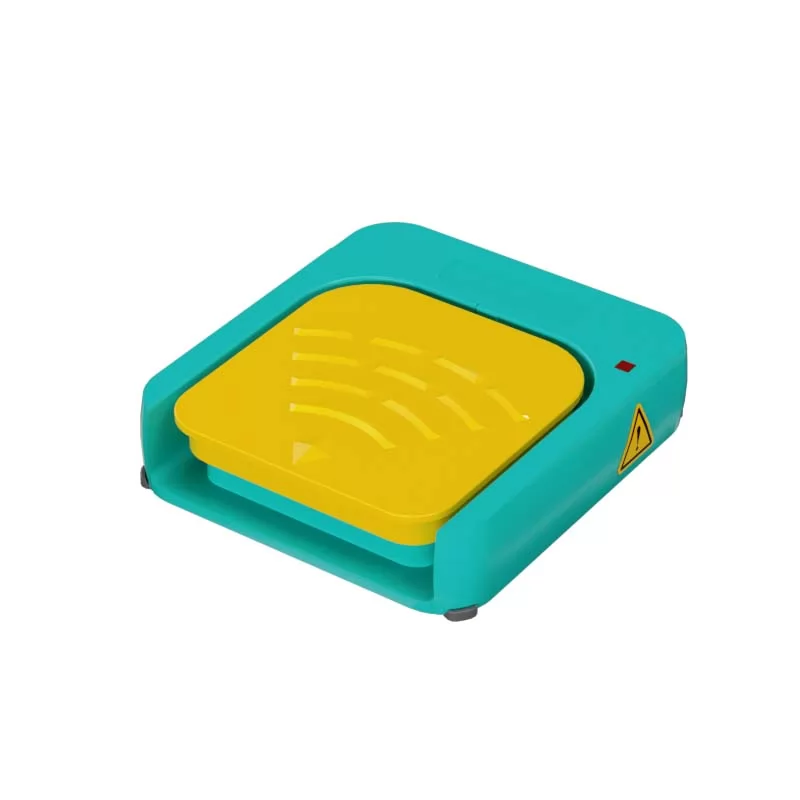 How do I choose the right foot switch?
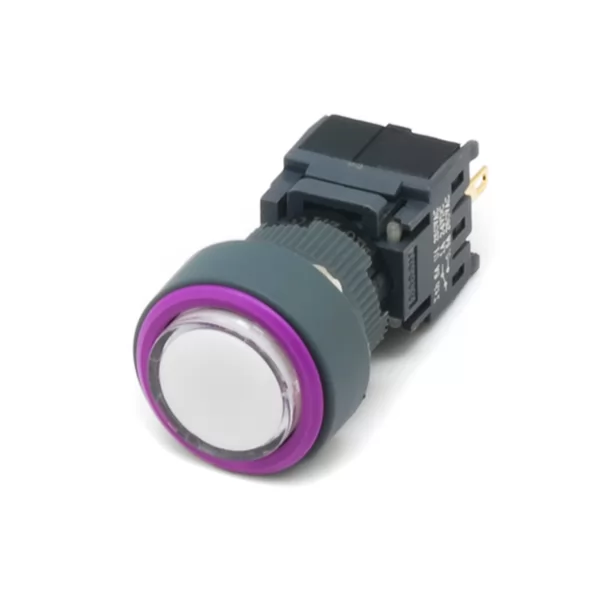 IP67 vs IP68 foot switch for marine use