November. 06, 2026
Foot switches free the operator's hands in the operating room, the imaging suite and the dental chair. Going wireless removes the cable across the floor — one less trip hazard, one less thing to clean around, and the pedal can be repositioned instantly. But a wireless medical foot switch has to be selected more carefully than a wired one. This guide covers the six points that matter most, based on the specifications medical OEMs ask us about most often.
A medical foot switch is cleaned and disinfected constantly, and it works where fluids are present. Check the ingress rating in the datasheet — the KACON HRF-HD6 series, for example, is rated IPX8 to IEC/EN 60529, so the pedal keeps working after immersion-level exposure, and its sealed housing has no cable gland to work loose.
Two wireless options cover most equipment designs. A dedicated 2.4G link (2.4–2.525 GHz, GFSK) offers a stable paired connection with a typical range of 15 m indoors and 30 m in open space. Bluetooth BLE (4.2/5.0) suits equipment that already has a Bluetooth host, with a typical indoor range of about 10 m. Whichever you choose, confirm the rated range against your room layout and ask how the pedal behaves on a weak signal — for control of medical equipment, a lost link must never mean a stuck output.
The receiver is what your equipment actually connects to. USB receivers suit PC-based systems and imaging workstations. Relay receivers (available for 1–3 output groups) suit equipment that expects a dry-contact input. Check at the design stage which interface your device offers, and whether more than one pedal must work with one host.
Wireless pedals run on batteries, so serviceability matters. Look for a separate battery compartment that opens without tools or dismantling the pedal, a low-battery indicator that warns before the shift starts, and standard cells — the HRF-HD6 uses 3 × AAA batteries, available anywhere.
Specify the pedal layout around the procedure: single or double pedal, and auxiliary push buttons (up to three on the HRF-HD6) for functions such as image capture or light control. If your application needs proportional control rather than on/off switching, ask about analogue outputs (0–10 V, 0–20 mA or 4–20 mA) and Hall-sensor variants — a good supplier offers wired, wireless and analogue versions in the same housing family, so the mechanical design does not change between models.
For medical devices, confirm the foot switch is designed and tested to IEC 60601-1 (and YY 1057 where applicable) and produced under an ISO 13485 quality system, with CE and RoHS marking. Agree the connector, cable or receiver configuration in writing at the quotation stage — customised connectors and colours are routine for OEM projects.
If you are specifying a pedal for a new medical device, the HRF-HD6 wireless medical foot switch brings these points together in one series: IPX8 sealing, 2.4G and Bluetooth models, USB and relay receivers, and IEC 60601-1 compliance. For selection help or an OEM quotation, contact our team — tell us your equipment interface and pedal layout, and we will recommend the exact configuration.
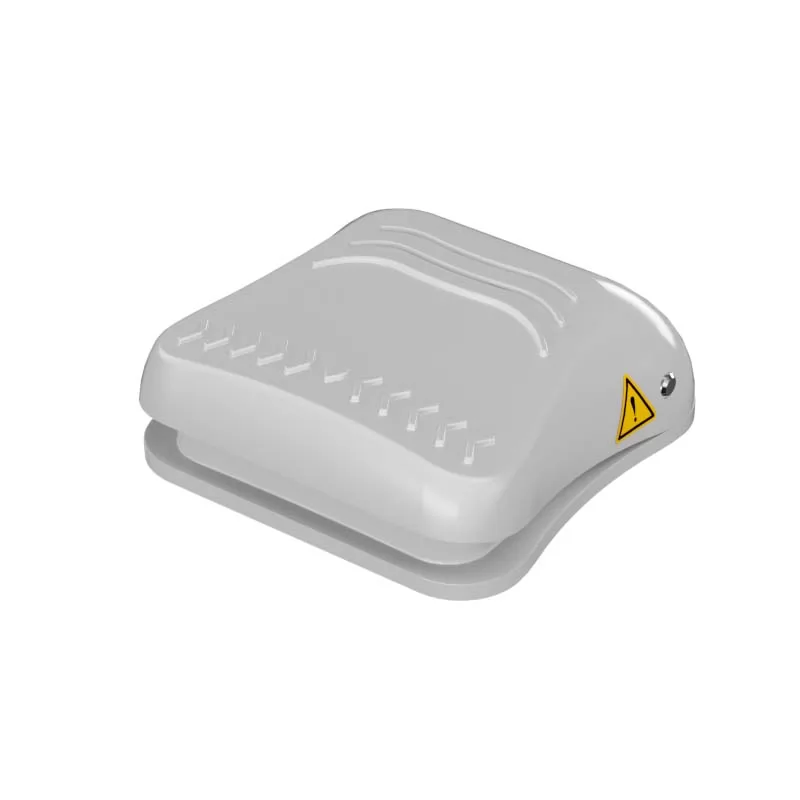 Industrial safety foot pedal wiring diagram
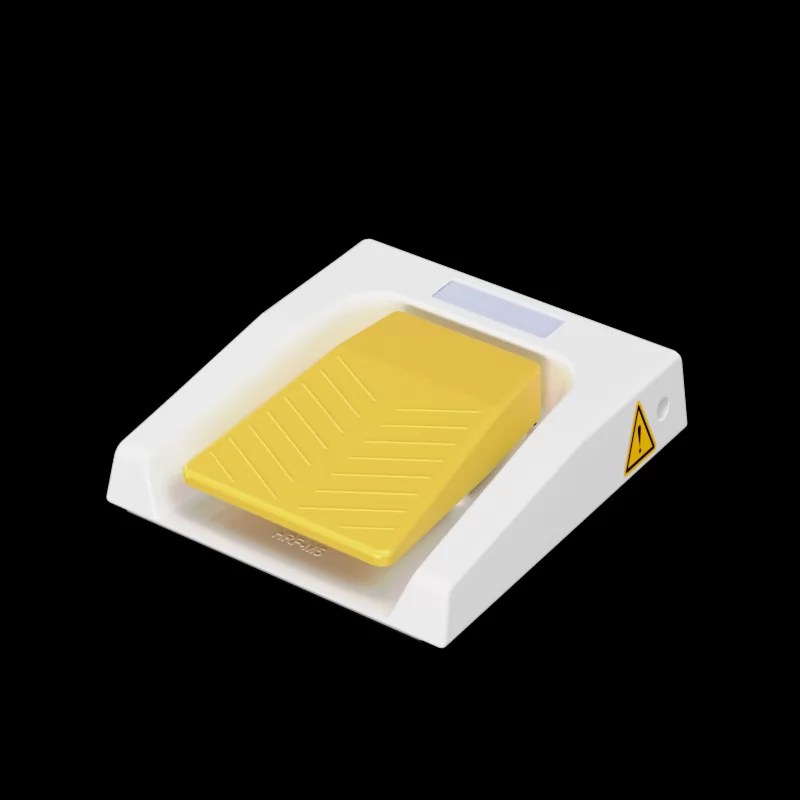 Foot Switches Selection Guide: Types, Features, Applications
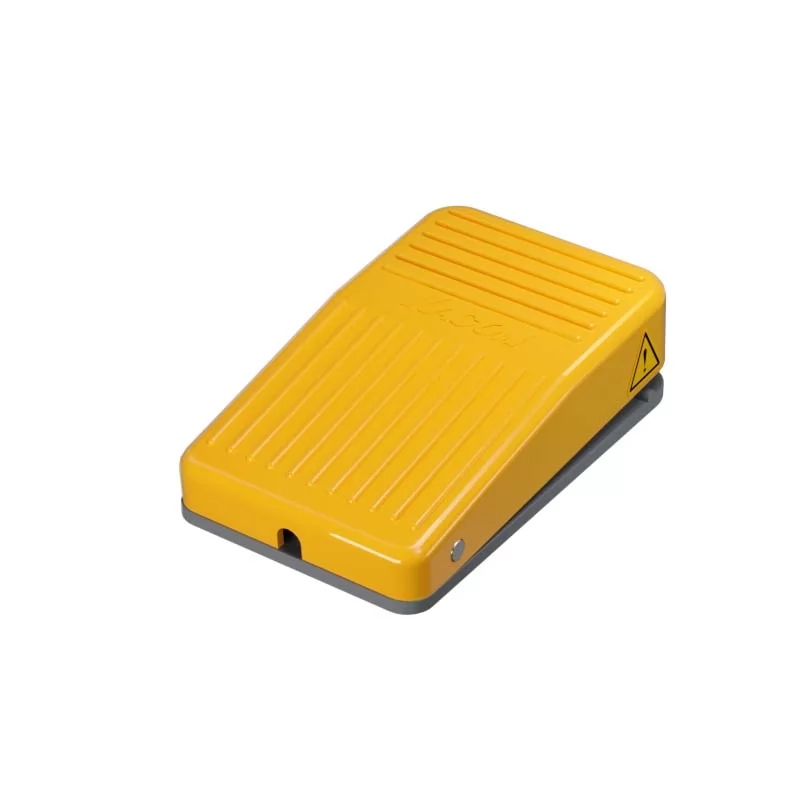 2026 Top 10 Leading Foot Switch Suppliers in the world
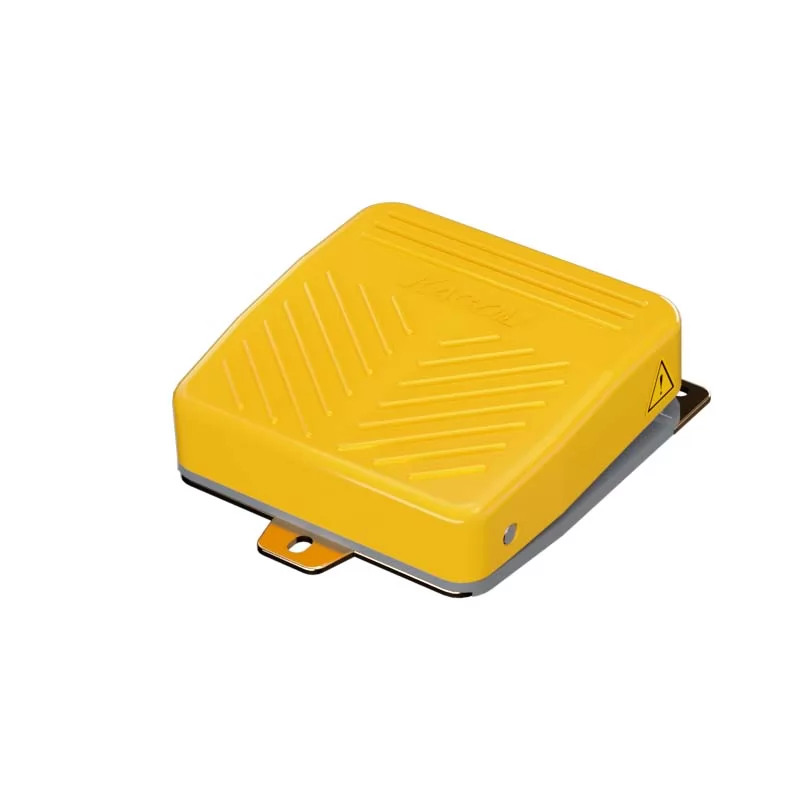 Cross-reference guide for medical foot pedals