October. 12, 2026
Selecting the right industrial foot switch can dramatically enhance your operational efficiency, whether you're a seasoned professional or a novice user. In this guide, I will walk you through a structured approach to ensure you make an informed choice tailored to your specific requirements. By understanding the various aspects of foot switches, you'll be able to find a model that perfectly suits your needs.
To start, assessing your application is crucial. What do you need the foot switch for? Common uses include controlling machinery, operating tools, or managing processes in various industries. Identifying the specific functionality will help you narrow down your options effectively. Additionally, consider the following key elements in your selection process:
Type of Foot Switch:
Load Specifications:
Material and Design:
Identify Your Requirements: Start by detailing what machinery you will control and the nature of the tasks performed. Think about how often you'll use it and whether you need basic functionality or advanced features.
Compare Specifications: Research different models using specifications. Take note of factors like:
Evaluate User Feedback: Look for reviews or testimonials. For instance, I remember one user transitioned from a standard foot switch to a kacon model designed for precision tasks. The feedback was that their accuracy improved by nearly 30%, significantly reducing manual errors—a reminder of how vital the right choice can be.
Test Before Purchase: If possible, test the foot switches. Check their responsiveness and comfort; ensure that operation feels natural for prolonged use.
Purchase from Reputable Sources: Buy from trusted vendors who provide warranties and support. Websites like Kacon often offer comprehensive resources, including specifications and comparisons.
When choosing the right foot switch, various challenges could arise. One common issue is compatibility with existing machinery. To mitigate this, ensure you have full technical specifications from your equipment manuals and consult with a professional if needed.
Moreover, installation can pose difficulties. I suggest detailed manual review and, if necessary, professional installation to ensure safety and functionality.
For quick reference, here’s a handy checklist:
In closing, the process of selecting the appropriate industrial foot switch doesn’t have to be daunting. Start by identifying your specific needs, consider the critical specifications, and learn from others’ experiences. Remember, the right choice not only enhances your productivity but also increases safety in your workspace.
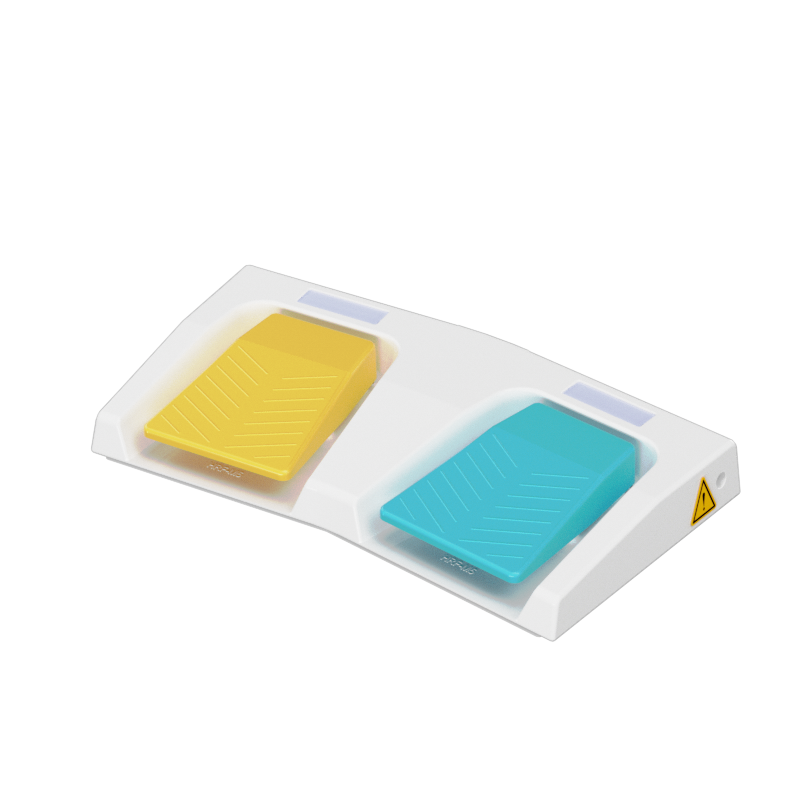
Make informed decisions and enjoy a more efficient working environment with the right foot switch! For visual reference and additional product details, check out this resource.
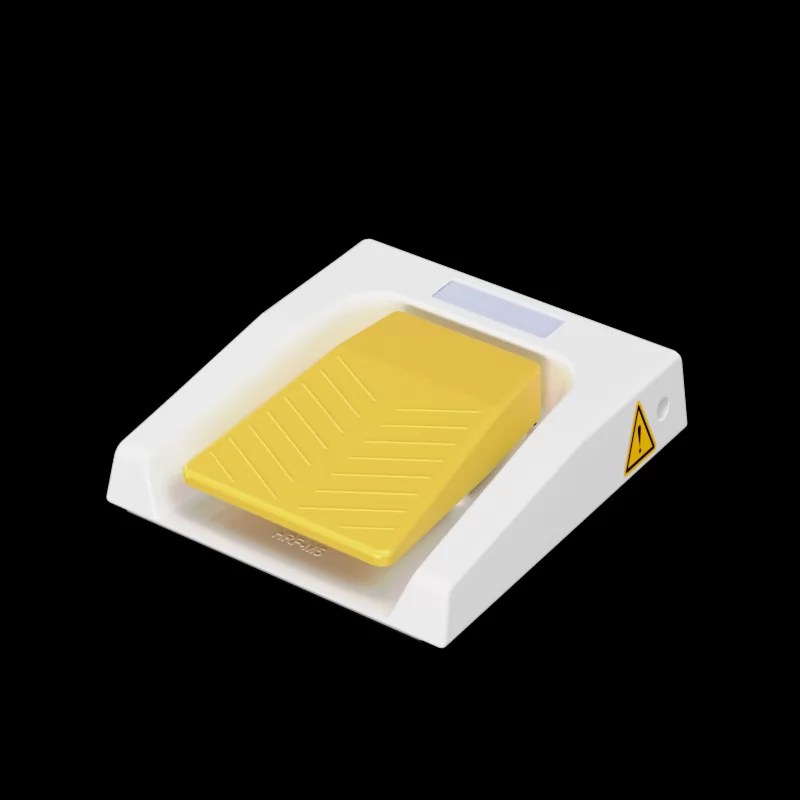 Foot Switches Selection Guide: Types, Features, Applications
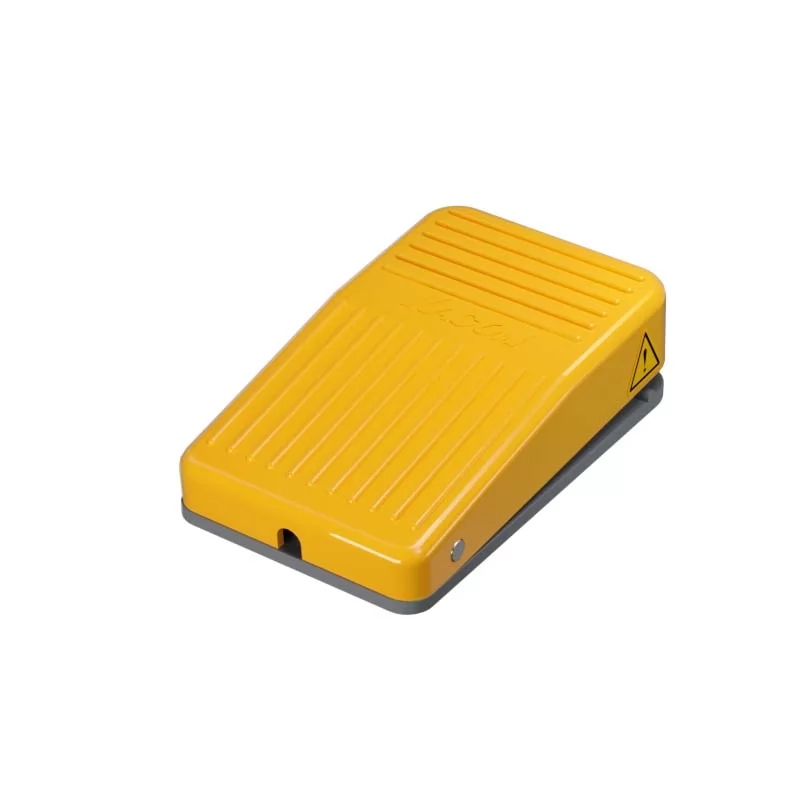 2026 Top 10 Leading Foot Switch Suppliers in the world
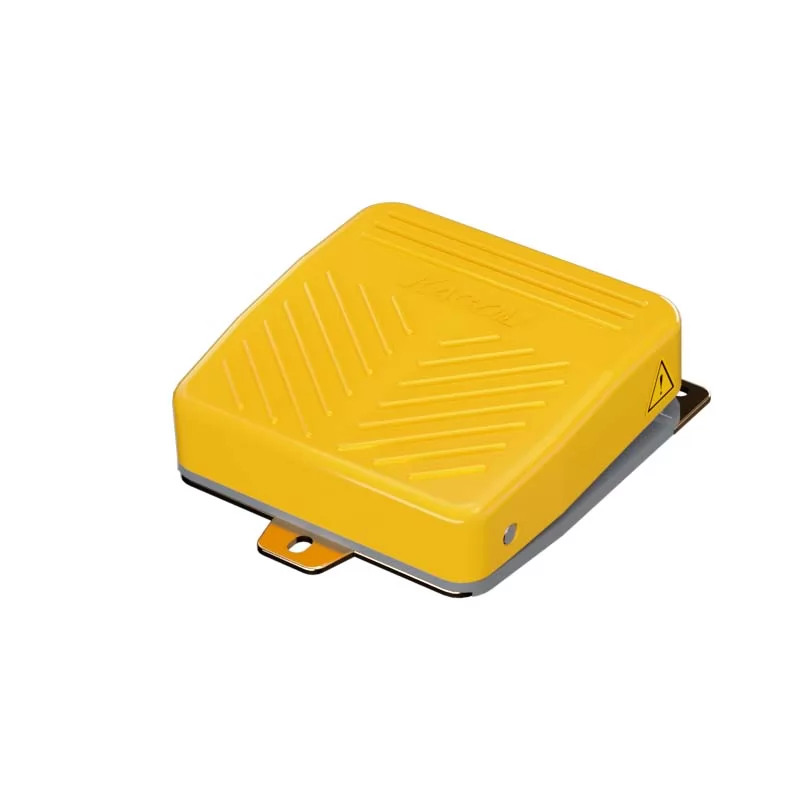 Cross-reference guide for medical foot pedals
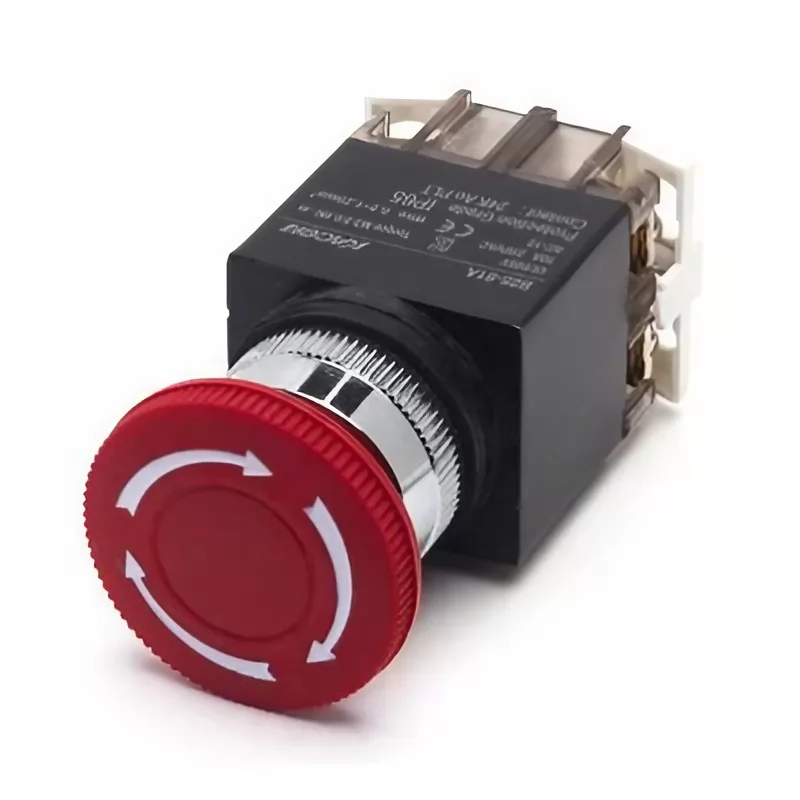 Waterproof momentary vs maintained pedals
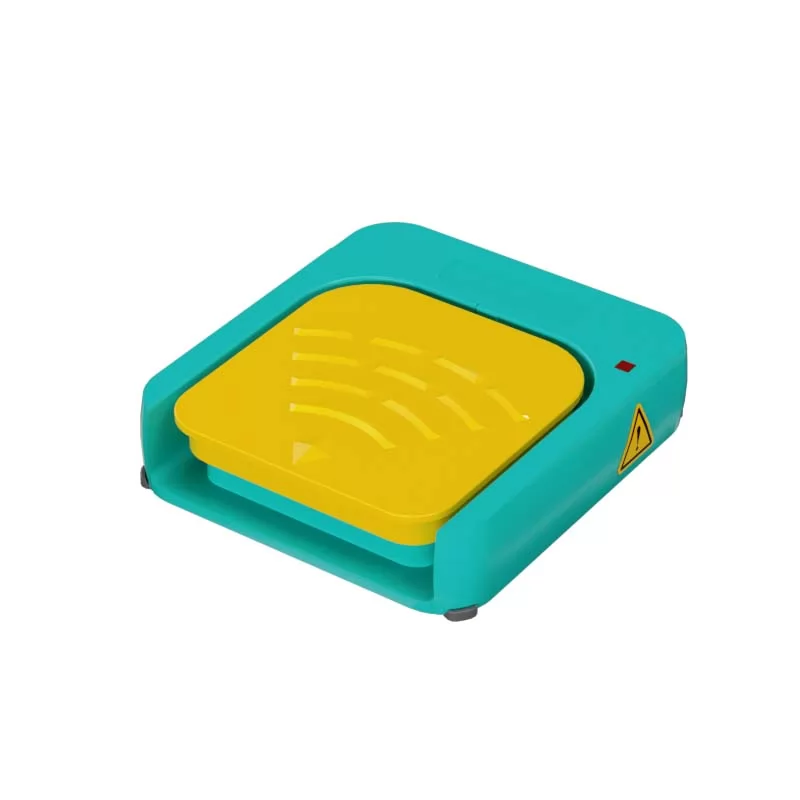 How do I choose the right foot switch?
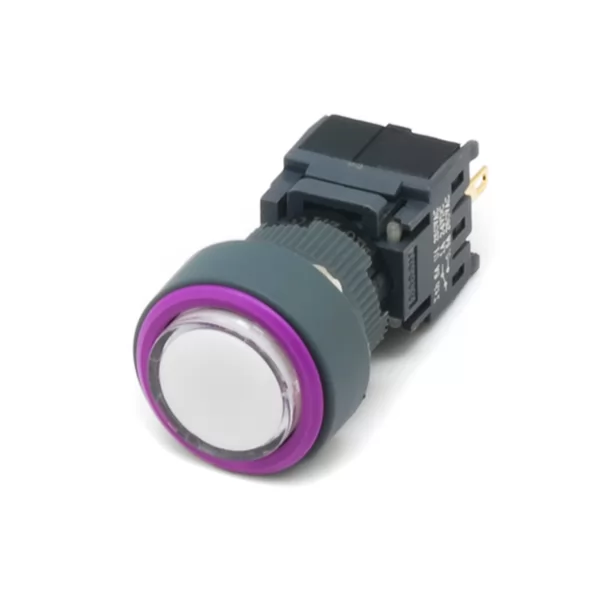 IP67 vs IP68 foot switch for marine use