June. 30, 2026
In industrial automation systems, even small components can determine the stability and safety of the entire production line. The limit switch is one of those critical devices. It is widely used for position detection, safety interlocking, motion control, and equipment protection in machinery such as CNC machines, conveyors, robotic arms, packaging equipment, and elevators.
Choosing the right limit switch is not just about matching specifications. It requires understanding operating conditions, mechanical requirements, electrical load, and environmental factors. A poor selection can lead to premature failure, inaccurate sensing, or even equipment downtime.
This article explains how to select the right limit switch for industrial automation systems step by step.

A limit switch is an electromechanical device that detects the presence or absence of an object through physical contact. When an actuator (such as a lever, roller, or plunger) is triggered by a moving part of a machine, the internal contacts change state (NO/NC), sending a signal to the control system.
Typical functions include:
Detecting end positions of machine travel
Controlling movement direction
Preventing over-travel and mechanical damage
Safety interlocking in machinery
Position confirmation in automated systems
Before selecting a model, you must clearly define what role the switch plays in your system.
Different industrial applications require different types of limit switches. Common use cases include:
Detecting product position
Monitoring belt movement
Preventing jams or overrun conditions
Axis end-stop detection
Tool positioning feedback
Safety travel limitation
Door position detection
Upper/lower travel limits
Safety interlocks
Film cutting position control
Sealing machine stroke control
Product detection on line
Each application determines the required actuator type, durability, and switching speed.
The actuator is the mechanical part that interacts with the moving object. Selecting the correct actuator is critical for reliability.
Common actuator types:
Suitable for smooth sliding motion
Common in conveyors
Reduces wear due to rolling contact
Flexible installation angles
Used in general-purpose machinery
Direct linear contact
Suitable for precise position detection
Often used in compact installations
Designed for angular movement
Good for door or flap detection
Incorrect actuator selection often leads to mechanical fatigue or false triggering.
Electrical compatibility is another key factor. You must check:
Rated voltage (AC/DC)
Rated current
Contact type (NO/NC/COM)
Load type (resistive or inductive)
For example:
PLC input circuits usually require low-current dry contacts
Motor control circuits may need higher current capacity or relay integration
Overloading the contact will significantly reduce the lifespan of the limit switch.
Industrial environments require components that can withstand millions of operations.
Key parameters:
Mechanical life (cycles)
Electrical life (load-dependent cycles)
Operating force
Pre-travel and over-travel distance
High-speed production lines or continuous operation systems require switches with high mechanical endurance.
Industrial environments are often harsh. Dust, oil, water, and vibration can affect performance.
Common IP ratings:
IP65: Dust-tight and water jet resistant (general industrial use)
IP67: Temporary immersion protection
IP68: Suitable for harsh or outdoor environments
If the switch is used in metal processing, food production, or outdoor equipment, a higher IP rating is strongly recommended.
Some environments expose switches to extreme conditions:
High temperature (furnaces, ovens)
Low temperature (cold storage)
Chemical exposure (cleaning agents, oils, solvents)
Make sure the housing material and sealing components can withstand the operating environment without degradation.
Limit switches come in different housing sizes and mounting styles:
Compact body for tight machinery spaces
Standard industrial housing for general use
Side mounting or top mounting options
Also check:
Hole spacing
Cable entry direction
Connector type (cable vs plug-in)
Improper installation design often leads to maintenance difficulty later.
For high-speed automation systems, response time matters.
High-speed conveyors require fast actuation and release
Precision positioning systems require minimal hysteresis
Safety systems require reliable and repeatable triggering
If the switch is too slow, the PLC may receive delayed signals, causing control errors.
In industrial automation, compliance is essential. Look for switches that meet:
CE certification (Europe)
UL certification (North America)
IEC standards for industrial control equipment
Certified components reduce system compliance risks and improve reliability in global markets.
The quality of a limit switch depends heavily on manufacturing precision, material selection, and quality control.
A reliable manufacturer ensures:
Stable contact performance
Consistent actuation force
Long mechanical life
Reliable sealing and insulation
One example of an industrial-grade manufacturer is KACON, which provides a wide range of limit switches designed for automation, machinery, and safety control applications.
Working with an established manufacturer helps reduce failure rates and improves long-term system stability.
Many engineers make selection errors such as:
Choosing based only on price
Ignoring environmental conditions
Overlooking actuator mismatch
Using low-rated switches in high-load circuits
Not considering mechanical alignment tolerances
These mistakes often lead to premature failure or inconsistent system behavior.
Selecting the right limit switch for industrial automation systems requires a balance of mechanical design, electrical performance, environmental resistance, and application requirements.
A well-chosen limit switch improves system safety, reduces downtime, and extends equipment life. Instead of focusing only on basic specifications, engineers should evaluate the full operating environment and motion characteristics.
With reliable design and consistent quality from manufacturers like KACON, industrial automation systems can achieve higher precision, stability, and long-term operational efficiency.
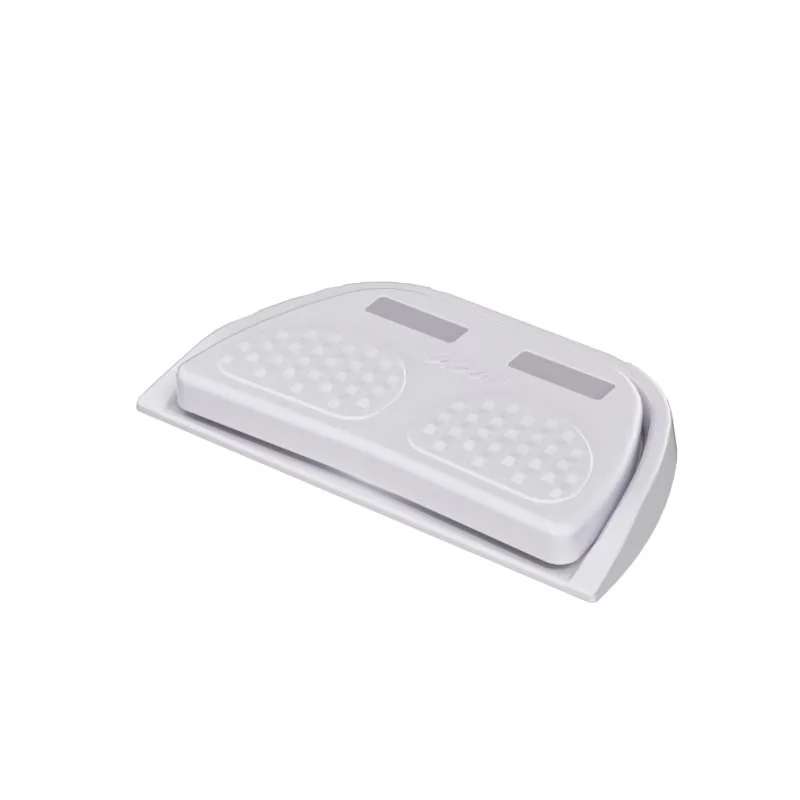 Momentary vs maintained foot switch
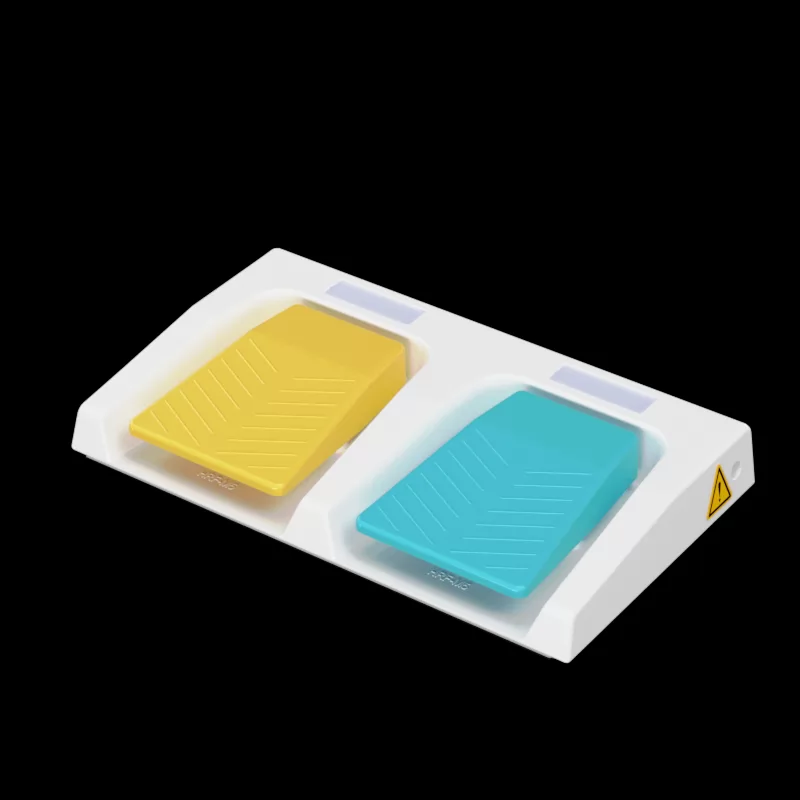 Ergonomic benefits of dual pedal design
 IP67 vs IP68 foot switch for marine use
 Best dual foot switch for hydraulic presses
 Wiring diagram for dual safety foot switches
 Troubleshooting 3-position switch contacts