October. 12, 2026
In today's manufacturing and industrial environments, ensuring that equipment can withstand environmental challenges is crucial. If you're wondering how to test foot switch waterproof ratings effectively, I’m here to guide you through a clear, actionable process that guarantees precision and reliability. Following this method will help you validate the waterproof capabilities of your industrial foot switch—like those from kacon—ensuring they meet operational standards and avoid costly downtime.
Before diving in, remember that the testing process isn’t just about adhering to industry standards; it's about securing your investment and maintaining functional integrity. Let’s explore how to achieve this systematically.
To begin the testing process for waterproof ratings, you’ll need the right tools:
Using these tools, you can ensure your waterproof testing adheres to standards such as ASTM F117 and IEC 60529, which specify IP ratings.
To start, make sure that your foot switch is completely prepared for testing:
Now, it’s time to execute the test:
Immerse the Device: Submerge the foot switch in the water tank at the designated depth—usually around 1 meter, as recommended by various industry benchmarks.
Monitor Water Pressure: Keep an eye on the pressure gauge to ensure it remains constant throughout the test.
Timer Management: Start your timer as you place the foot switch in water and ensure you document the time meticulously.
After the designated time has elapsed, it’s crucial to examine the foot switch:
During the testing process, you may encounter several challenges:
Finally, I recommend partnering with a reliable manufacturer like kacon for sourcing foot switches with promised waterproof ratings. Collaboration can yield quicker resolution times and product support, and since Kacon is known for their industry-leading precision (to 0.01mm), you can trust in their long-standing commitment to quality and standards compliance.
Testing the waterproof rating of your foot switch doesn't have to be daunting; by following these steps, you can ensure that you validate the product’s integrity and performance. Here’s a recap of the process:
By implementing these practices, you not only uphold the functionality of your industrial systems but also enhance operational efficiency and reliability. Let’s take the steps needed to ensure our equipment is up to the task. For further resources or images, feel free to check out this supporting link:  . Let's reinforce our commitment to quality today!
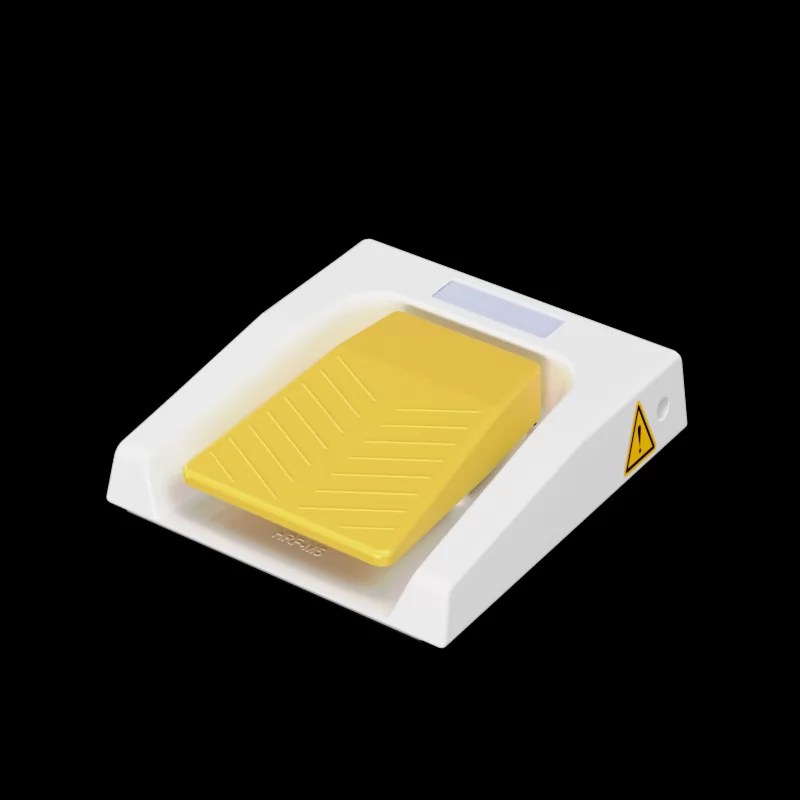 Foot Switches Selection Guide: Types, Features, Applications
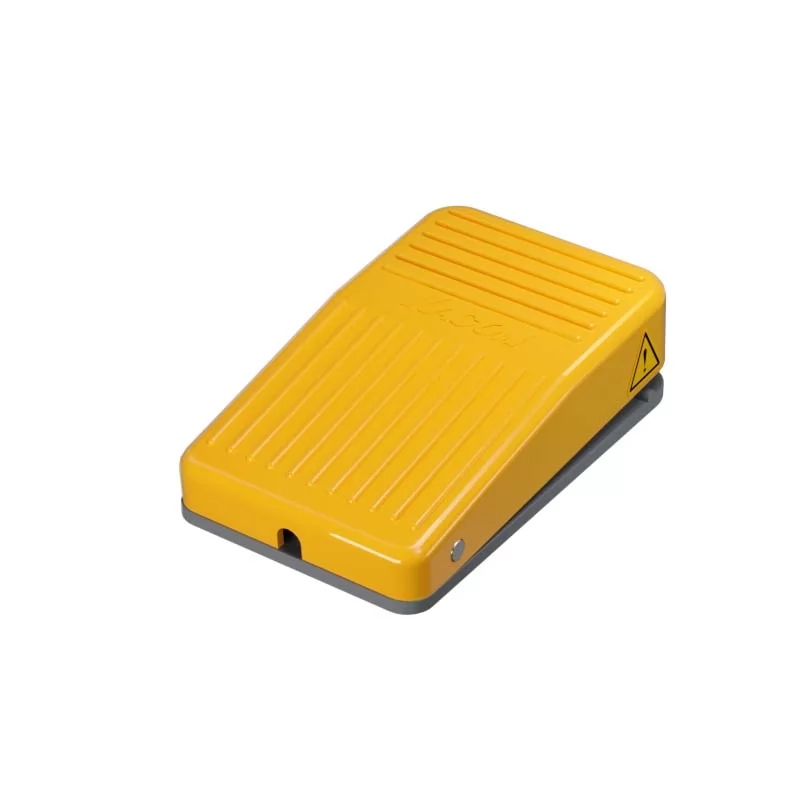 2026 Top 10 Leading Foot Switch Suppliers in the world
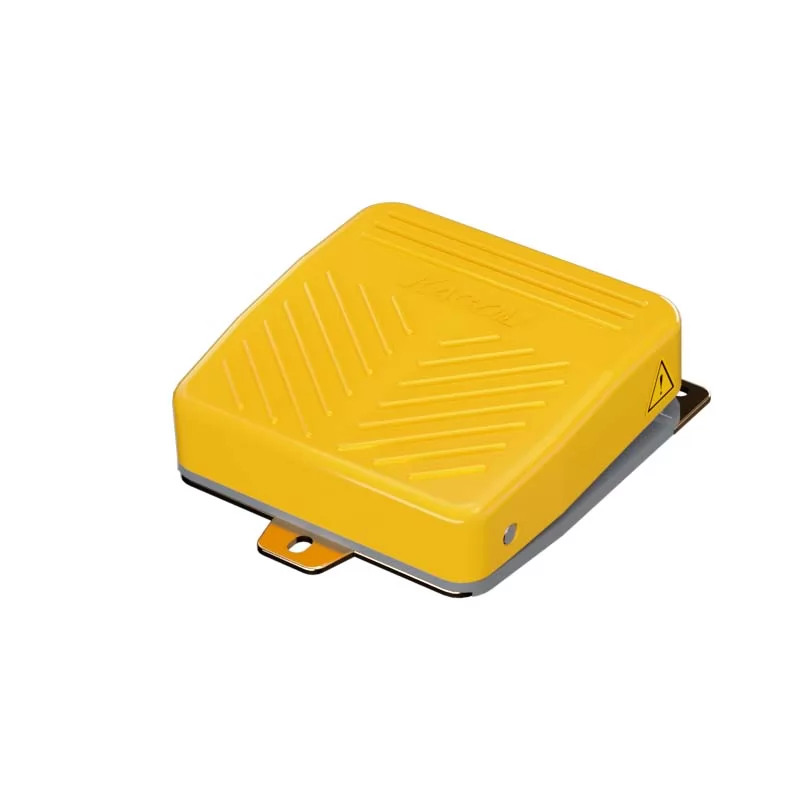 Cross-reference guide for medical foot pedals
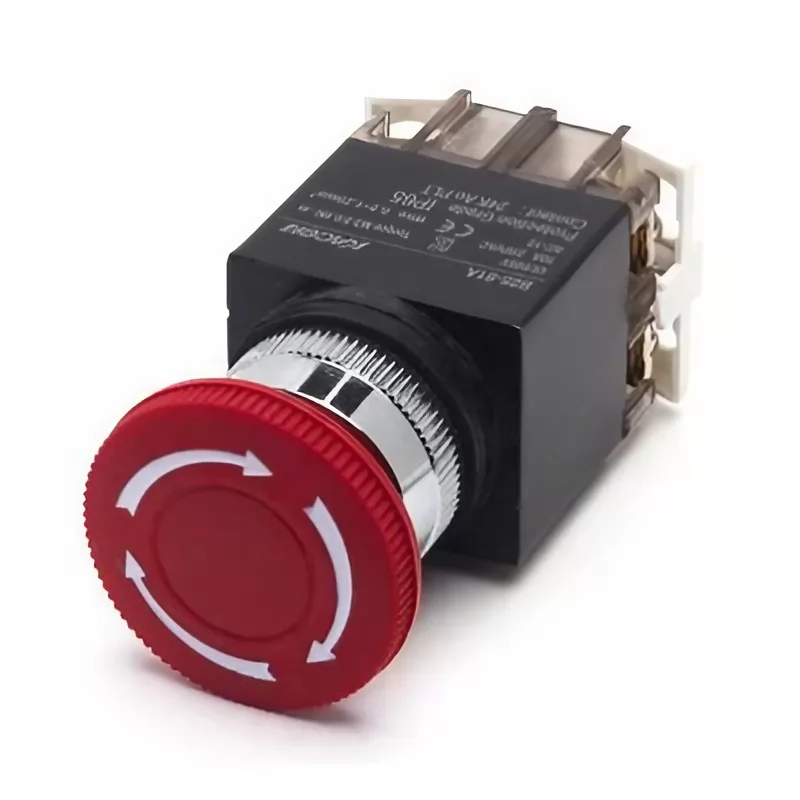 Waterproof momentary vs maintained pedals
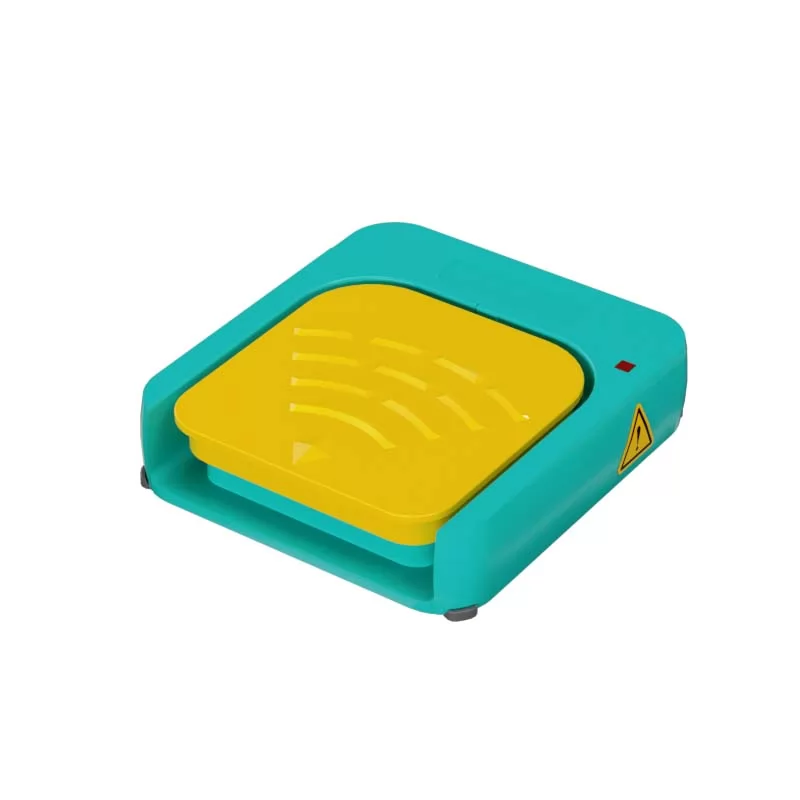 How do I choose the right foot switch?
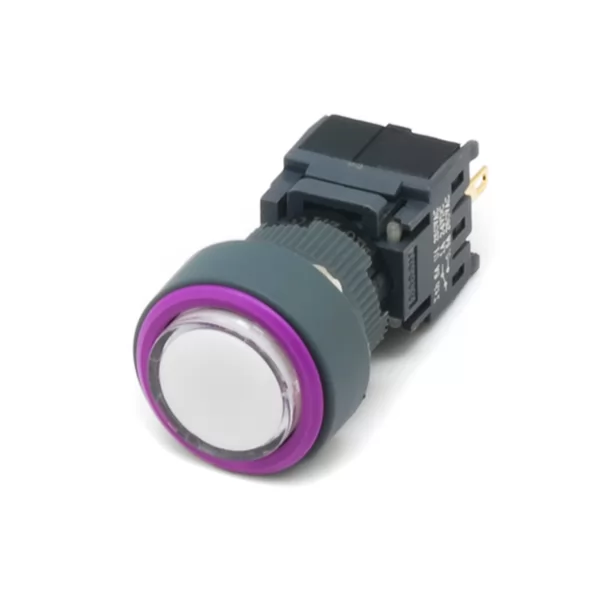 IP67 vs IP68 foot switch for marine use