In industrial automation systems, both limit switches and proximity sensors are widely used for position detection and machine control. Although they often solve similar problems, their working principles and ideal applications are very different.
Choosing the wrong one can lead to inaccurate detection, faster wear, or unnecessary cost. This article explains the key differences and helps you decide when to use each type.
1. What Is a Limit Switch?

A limit switch is an electromechanical device that requires physical contact with a moving object to operate. When the actuator (roller lever, plunger, or hinge lever) is pressed, internal contacts change state (NO/NC), sending a signal to the control system.
Typical features:
Contact-based operation
Simple ON/OFF signal output
High reliability in basic mechanical systems
Widely used for safety and end-position detection
Common applications:
Conveyor end-stop detection
CNC machine travel limits
Elevator door position sensing
Packaging machine stroke control
2. What Is a Proximity Sensor?
A proximity sensor detects the presence of an object without physical contact using electromagnetic fields, capacitance, or infrared technology.
Common types include:
Inductive (metal detection)
Capacitive (non-metal materials)
Photoelectric (light beam detection)
Typical features:
Common applications:
High-speed production lines
Robotics positioning
Material detection systems
Precision automation systems
3. Key Differences Between Limit Switch and Proximity Sensor
From the comparison above, we can see a clear trade-off:
Limit switches excel in simplicity and direct mechanical confirmation
Proximity sensors perform better in speed, durability, and non-contact detection
4. When to Use a Limit Switch
Limit switches are ideal when the application requires physical confirmation of position or movement.
Choose limit switches when:
Mechanical contact is acceptable or required
Cost-sensitive applications are involved
Environment is not extremely high-speed
Simple ON/OFF signal is sufficient
Safety interlock requires physical triggering
Typical scenarios:
Conveyor belt end stop detection
Machine door open/close confirmation
Basic industrial machinery control
In these cases, robust mechanical feedback is often more important than sensing speed.
5. When to Use a Proximity Sensor
Proximity sensors are preferred in modern high-speed automation systems where contact wear must be avoided.
Choose proximity sensors when:
High-speed operation is required
No physical contact is preferred
Long service life is critical
Precision and fast response are needed
Harsh mechanical wear conditions exist
Typical scenarios:
Because there is no physical contact, they significantly reduce maintenance needs.
6. Advantages and Limitations
Limit Switch Advantages
Simple structure and easy installation
Low cost
Clear mechanical feedback
Reliable in basic industrial environments
Limit Switch Limitations
Mechanical wear over time
Slower response compared to sensors
Requires physical contact
Proximity Sensor Advantages
Proximity Sensor Limitations
Higher cost
Sensitive to environment (dust, metal interference, etc.)
Requires stable power supply and calibration
7. How to Choose Between Them
A practical way to decide is based on your system requirements:
If your system is mechanically simple and cost-sensitive → choose limit switch
If your system is high-speed, automated, and precision-focused → choose proximity sensor
In many modern factories, both devices are actually used together:
Conclusion
Both limit switches and proximity sensors play essential roles in industrial automation. The right choice depends on whether your system prioritizes mechanical confirmation and cost efficiency or speed, precision, and long-term durability.
In practice, combining both technologies often provides the most reliable and efficient automation system design.

 Momentary vs maintained foot switch
 Ergonomic benefits of dual pedal design
 IP67 vs IP68 foot switch for marine use
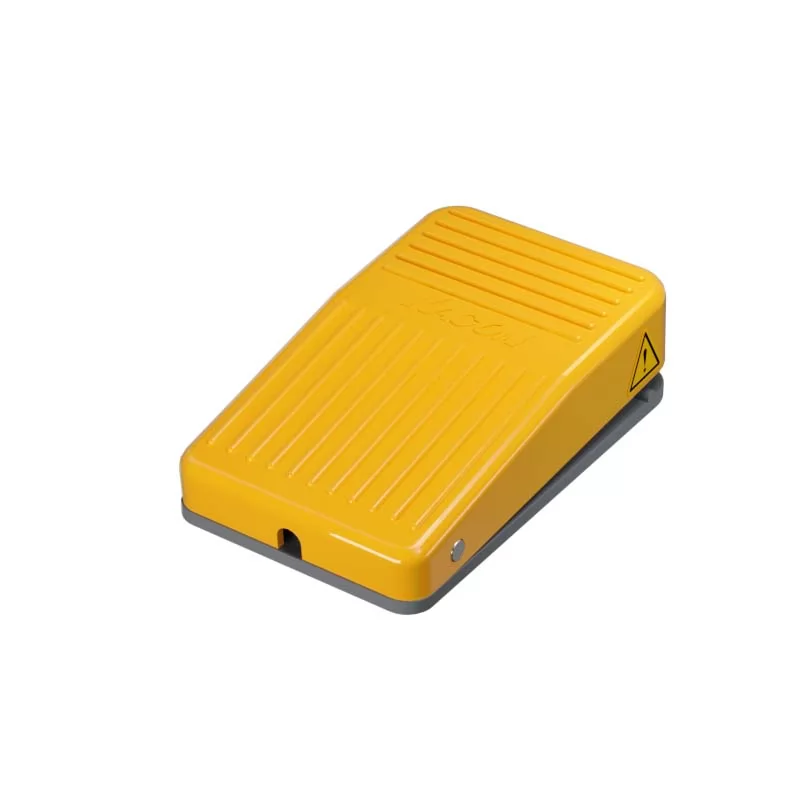 Best dual foot switch for hydraulic presses
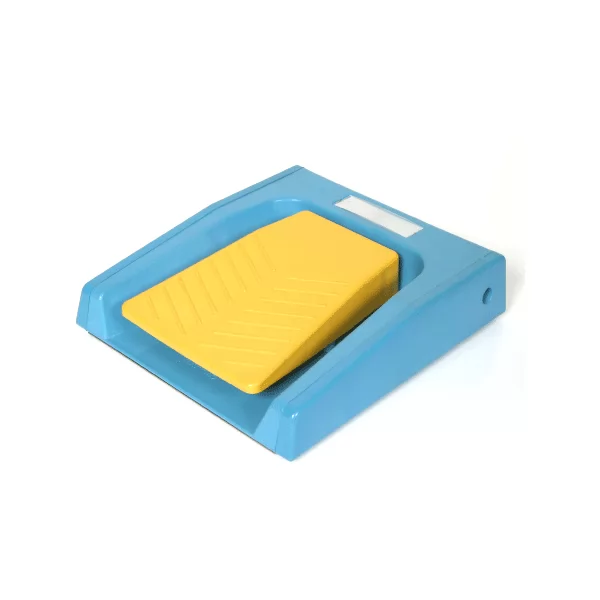 Wiring diagram for dual safety foot switches
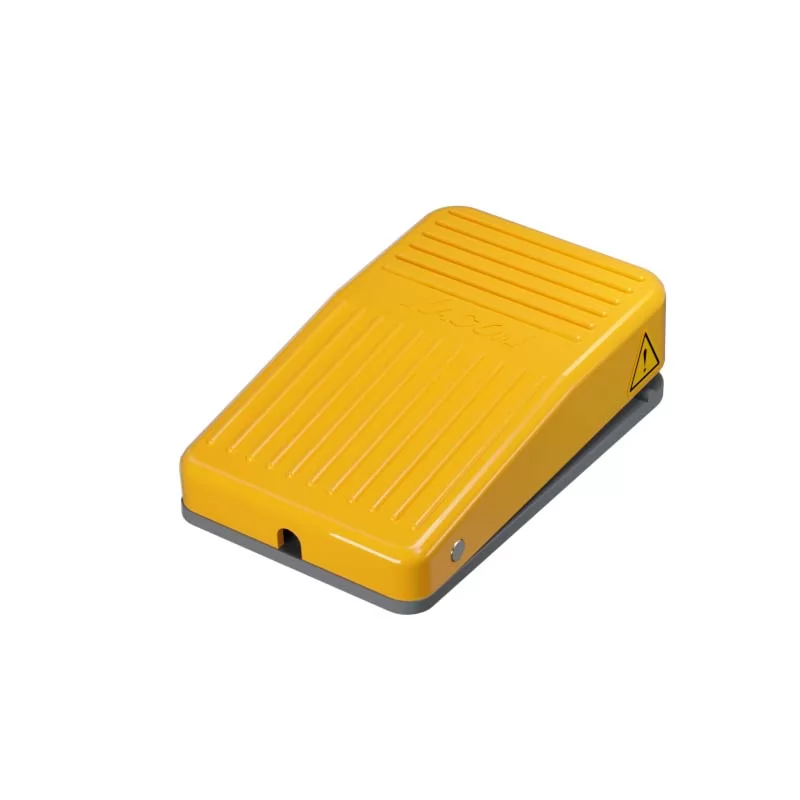 Troubleshooting 3-position switch contacts