September. 22, 2026
Momentary foot switches are designed to activate a function only while the switch is pressed. Once released, the function stops, making them ideal for applications requiring temporary control.
Maintained foot switches, in contrast, hold their position when pressed and remain activated until pressed again. This characteristic is useful for functions needing continuous control without maintaining pressure.
| Parameter | Momentary Foot Switch | Maintained Foot Switch |
|---|---|---|
| Activation | On while pressed | On when pressed, stays on |
| Usage Frequency | Intermittent | Continuous |
| Power Supply | Usually powered by direct circuit | Can be battery-operated or powered by direct circuit |
Momentary foot switches generally consume less power since they are only active during operation, offering extended battery life. Maintained switches may deplete batteries quicker depending on usage frequency.
Both switch types are designed for durability; however, the momentary switches can exhibit wear over time with frequent use. Maintained switches tend to be more stable under constant pressure but may have a higher initial cost.
Ideal for professionals in applications like sewing machines and lighting control where temporary activation is preferred.
Perfect for tasks such as audio equipment control and CNC machinery, where continuous operation is needed without physical effort.
In conclusion, understanding the differences between momentary and maintained foot switches is essential for selecting the right type for your application. Being aware of the strengths and weaknesses of each can streamline operations significantly. For quality foot switches tailored to your needs, consider kacon.
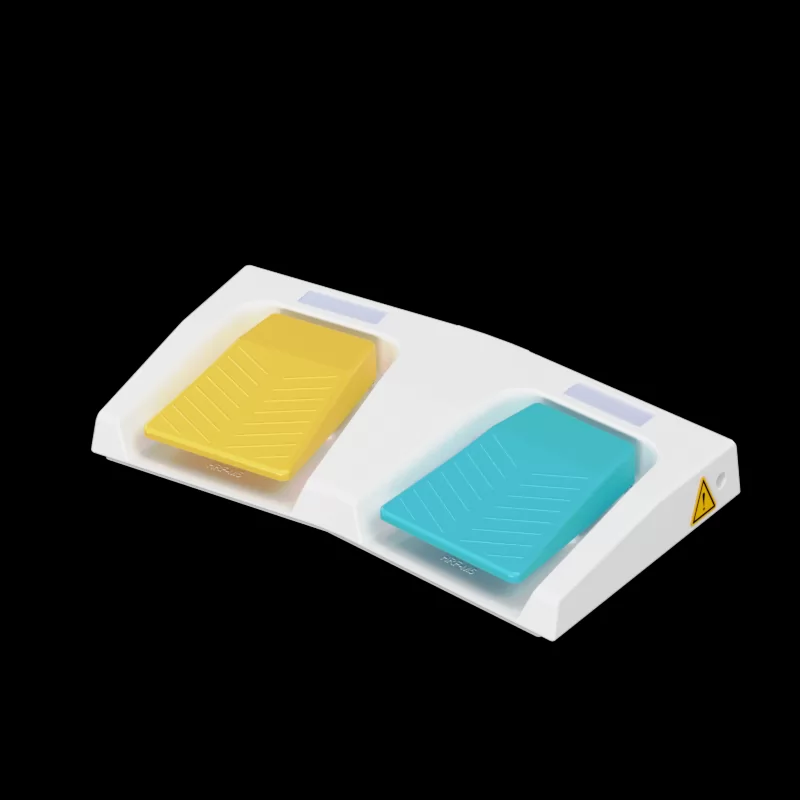 Momentary vs. maintained foot switches
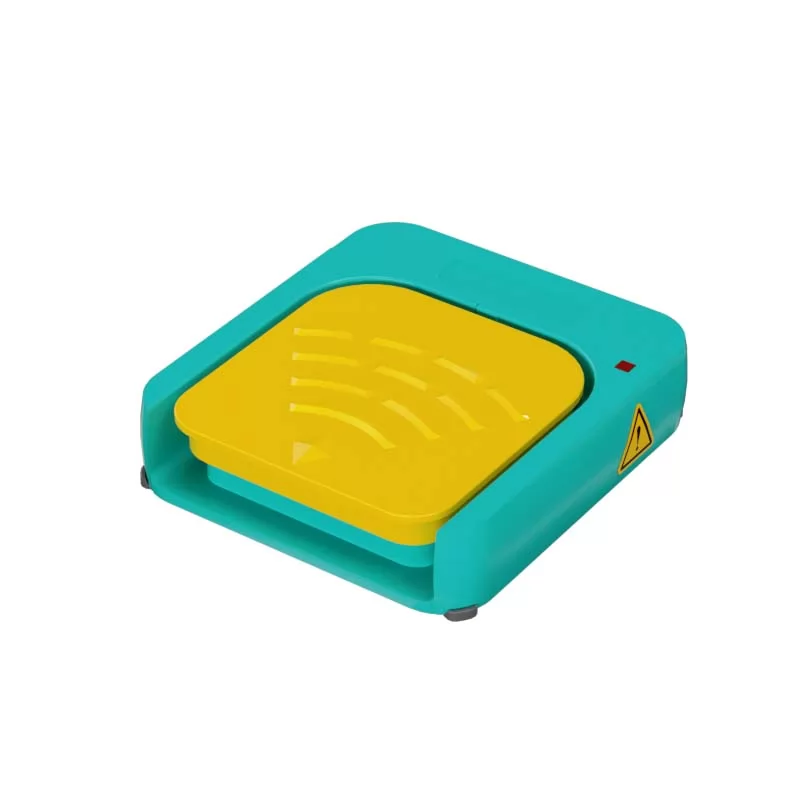 NO vs NC foot switch
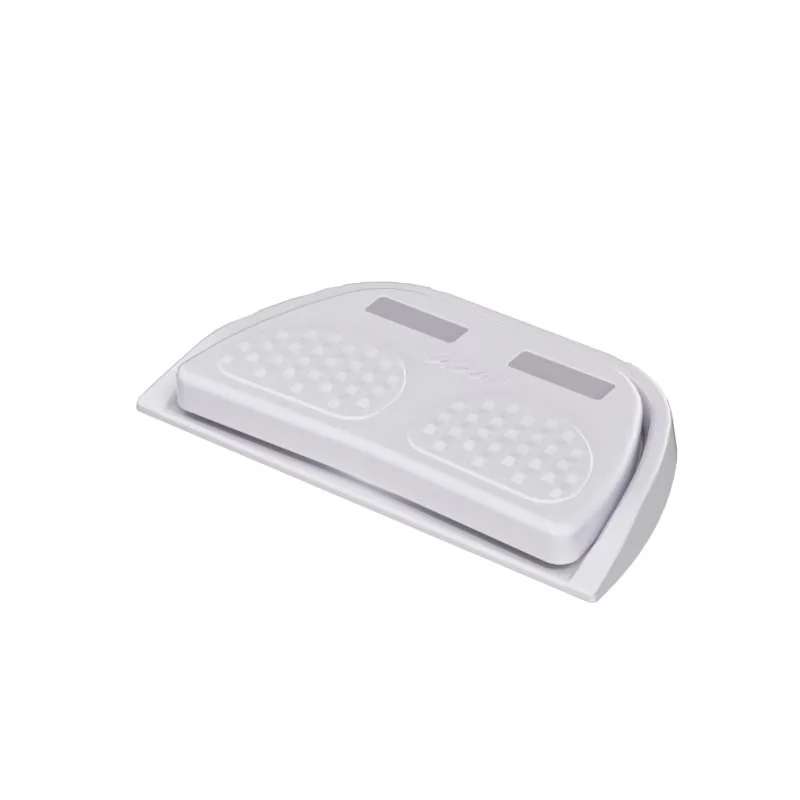 Momentary vs maintained foot switch
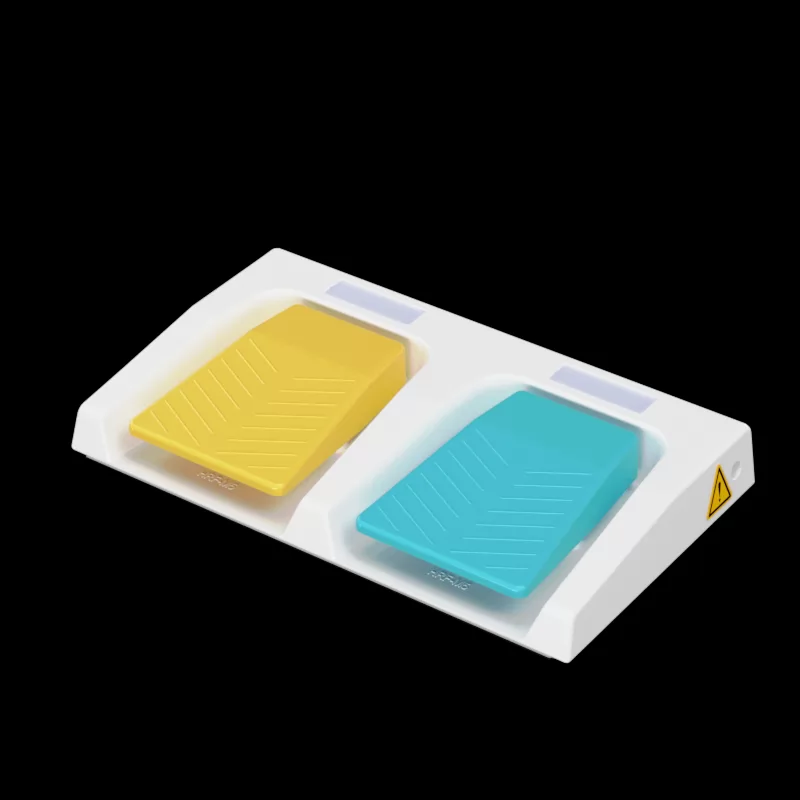 Ergonomic benefits of dual pedal design
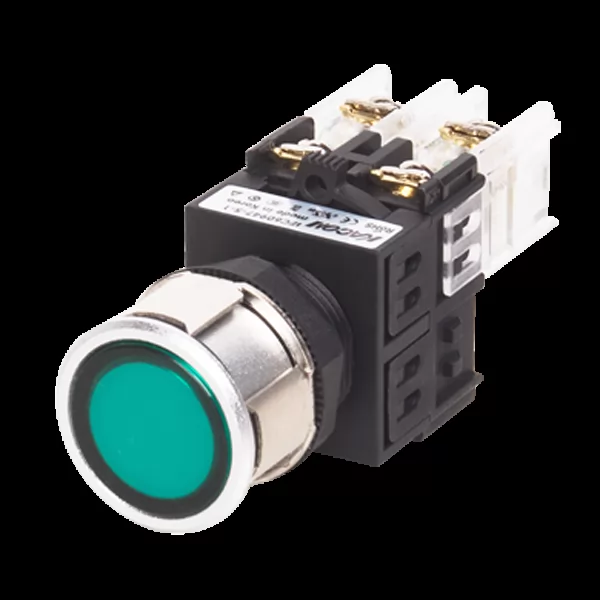 IP67 vs IP68 foot switch for marine use
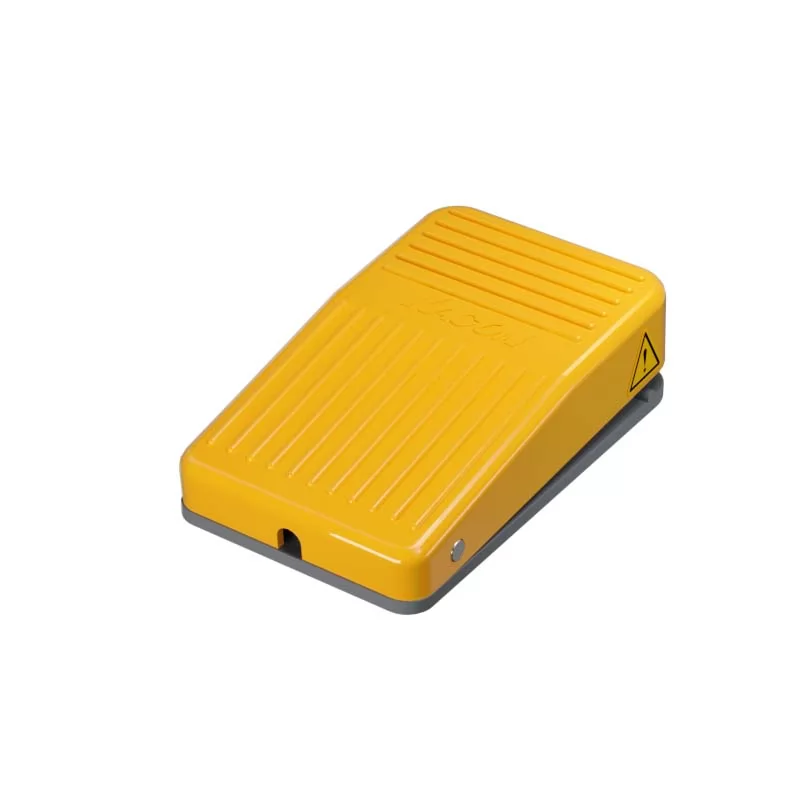 Best dual foot switch for hydraulic presses