February. 28, 2026
When selecting a limit switch for industrial automation, one common question arises: roller lever vs plunger limit switch—which is best? Both types of limit switches are widely used in machinery control, position detection, and industrial safety systems. However, their structural design, actuation method, durability, and application scenarios differ significantly.
Choosing the right industrial limit switch directly affects equipment performance, operational safety, and long-term maintenance costs. Whether you are designing a conveyor system, CNC machine, packaging line, or automated assembly equipment, understanding the differences between a roller lever limit switch and a plunger limit switch is essential.
In this comprehensive guide, we will compare roller lever and plunger limit switches in detail, analyze their advantages and disadvantages, and provide practical recommendations for selecting the best limit switch for your application.
A limit switch is an electromechanical device used to detect the presence or position of an object. It operates through physical contact, triggering internal electrical contacts when an actuator is moved by an external force.
Limit switches are widely used in:
Industrial automation systems
CNC machines
Conveyor systems
Elevators and lifting platforms
Packaging and processing equipment
Safety interlock systems
Their core function is to convert mechanical movement into electrical signals for control or protection purposes.
A roller lever limit switch features a hinged lever arm with a roller at the tip. When an object makes contact with the roller, the lever rotates, actuating the internal switch mechanism.
Lever arm
Roller wheel
Spring return mechanism
Electrical contact block
Protective housing
When a moving object pushes against the roller, the lever pivots. This mechanical motion activates the internal contacts, either opening or closing the circuit. Once the object moves away, the spring mechanism returns the lever to its original position.
A plunger limit switch uses a straight, push-type actuator. The plunger is pressed inward when contacted by a moving object, activating the internal switching mechanism.
Plunger (push rod)
Internal spring
Contact mechanism
Protective housing
When the plunger is pressed, it compresses an internal spring and triggers the electrical contacts. After the force is removed, the spring returns the plunger to its original position.

Understanding the structural differences helps clarify their performance characteristics.
Roller lever limit switch: Rotational movement via lever arm
Plunger limit switch: Linear push movement
The roller lever allows angular engagement, while the plunger requires direct vertical pressure.
Roller lever provides a rolling contact, reducing friction.
Plunger uses direct impact contact.
This difference directly affects wear and longevity.
Roller lever switches allow actuation from multiple angles.
Plunger switches require more precise alignment.
The roller mechanism reduces friction during repeated operations. This makes roller lever limit switches ideal for high-frequency applications.
Plunger switches experience direct impact, which can lead to faster mechanical wear in high-speed systems.
Winner: Roller lever limit switch (for high-cycle environments)
Plunger limit switches offer precise, direct actuation with minimal lateral movement. They are suitable for applications requiring accurate position detection.
Roller lever switches may have slight mechanical play due to lever movement.
Winner: Plunger limit switch (for precision control)
Plunger limit switches typically perform better in heavy-duty environments with high vibration, as they have fewer moving external parts.
Roller lever arms may be more vulnerable in extreme shock conditions.
Winner: Plunger limit switch (for heavy-duty impact)
Roller lever limit switches are better suited for fast-moving objects because the rolling contact reduces mechanical stress.
Plunger types may wear faster under rapid repetitive impact.
Winner: Roller lever limit switch
Roller lever switches may require periodic inspection of the lever and roller.
Plunger switches generally have a simpler external structure, reducing maintenance needs.
Winner: Plunger limit switch
A roller lever limit switch is best for:
Conveyor systems
Packaging machinery
Assembly lines
High-speed automation equipment
Applications requiring angled actuation
Its rolling mechanism ensures smooth triggering and long service life in dynamic environments.
A plunger limit switch is ideal for:
CNC machine tools
Hydraulic presses
Safety interlock systems
Vertical movement detection
Compact installation spaces
Its linear design provides precise and reliable actuation in controlled movement systems.

When choosing between a roller lever and plunger limit switch, environmental conditions must be considered:
Dust and debris exposure
Moisture and humidity
Oil and chemical exposure
Temperature range
Industrial-grade limit switches often come with IP-rated enclosures to ensure protection. Selecting a high-quality manufacturer such as KACON ensures consistent performance under harsh conditions.

In general:
Plunger limit switches are slightly more economical due to simpler mechanical design.
Roller lever limit switches may cost more because of additional mechanical components.
However, total cost of ownership depends on durability, maintenance frequency, and downtime risks.
Ensure correct lever direction.
Avoid excessive over-travel.
Confirm proper mounting angle.
Align the actuator precisely with the moving object.
Prevent side loads on the plunger.
Ensure sufficient actuation force.
Improper installation can significantly reduce the lifespan of any industrial limit switch.
Limit switches are critical components in industrial safety systems. They are often integrated into:
Emergency stop circuits
Safety interlocks
Guard door monitoring systems
Always verify compliance with relevant industrial standards and ensure the switch matches load requirements and electrical ratings.
Trusted industrial control brands such as KACON offer limit switches designed for reliability and long operational life in automation environments.
Ignoring operating frequency
Underestimating environmental conditions
Choosing based on price only
Incorrect actuator type selection
Poor alignment during installation
Avoiding these mistakes helps maximize equipment efficiency and safety.
For high-frequency applications, the roller lever limit switch is typically more durable due to reduced friction. For heavy-impact environments, plunger switches may perform better.
Yes. The rolling actuator minimizes wear and allows smoother triggering at high speeds.
Not effectively. Plunger limit switches require direct vertical pressure for optimal performance.
Plunger limit switches are generally more compact and suitable for tight installation environments.
Service life depends on load, frequency, and environmental conditions. High-quality industrial limit switches can operate for millions of cycles under proper installation.
So, roller lever vs plunger limit switch—which is best?
The answer depends on your application.
Choose a roller lever limit switch if:
You need smooth actuation
The object approaches from different angles
The system operates at high speed
High cycle life is required
Choose a plunger limit switch if:
Precision is critical
Installation space is limited
The actuation direction is fixed
The environment involves heavy vibration
Both types of limit switches play essential roles in industrial automation systems. By carefully analyzing operating conditions, mechanical movement, and environmental factors, you can select the most suitable industrial limit switch for optimal performance and long-term reliability.
Ultimately, understanding the difference between roller lever vs plunger limit switch ensures better equipment safety, improved productivity, and reduced maintenance costs.

 Momentary vs maintained foot switch
 Ergonomic benefits of dual pedal design
 IP67 vs IP68 foot switch for marine use
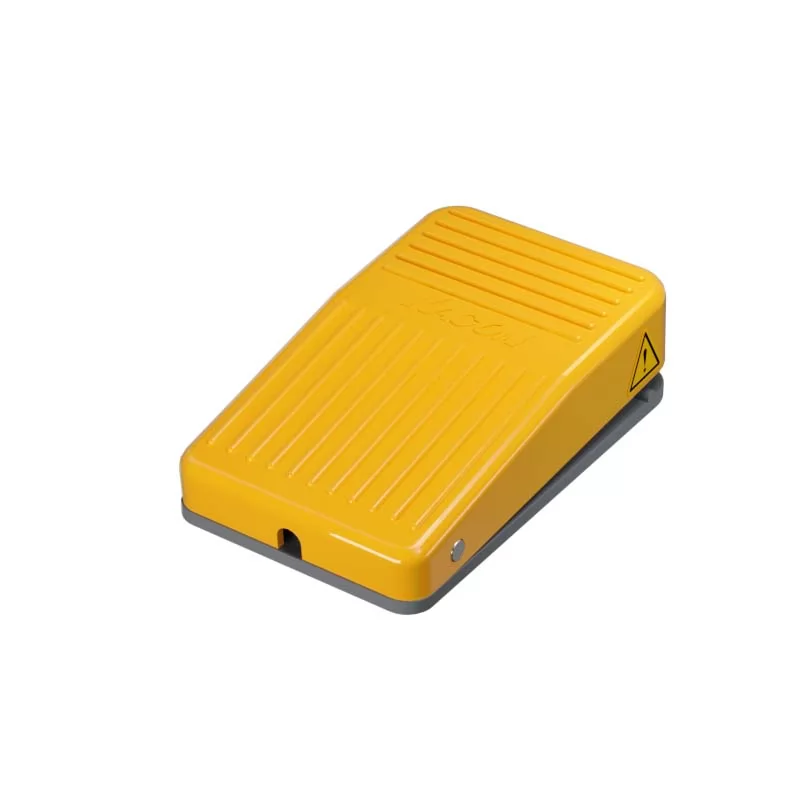 Best dual foot switch for hydraulic presses
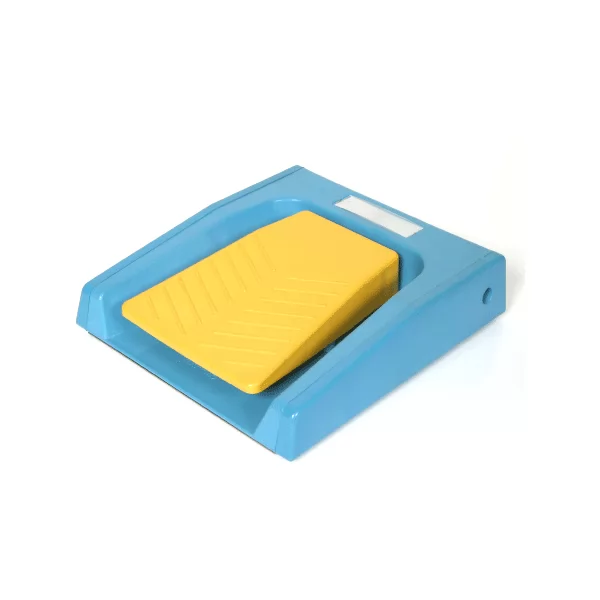 Wiring diagram for dual safety foot switches
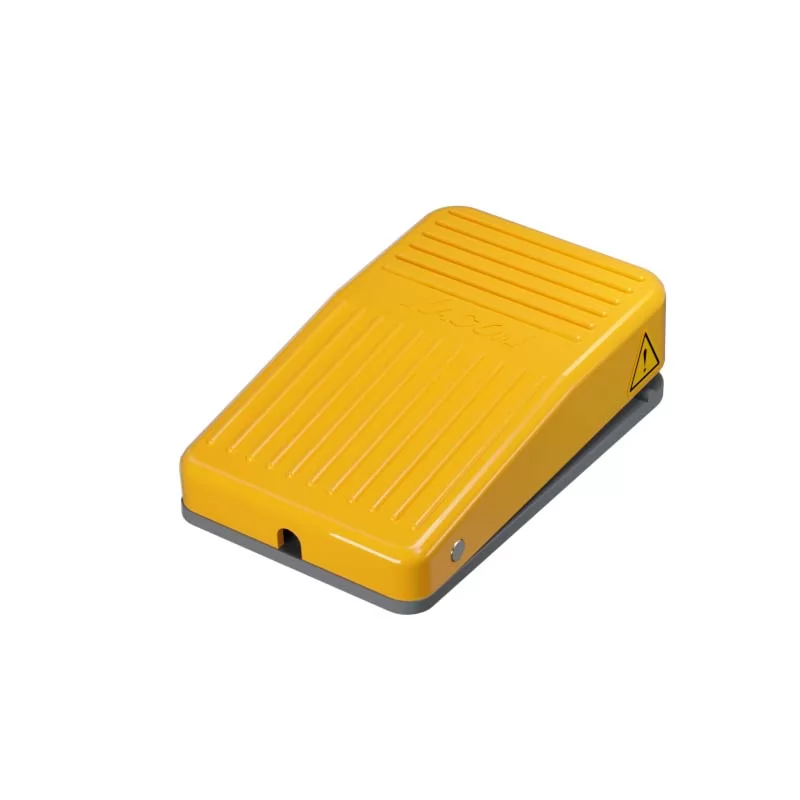 Troubleshooting 3-position switch contacts