October. 15, 2026
When selecting the right foot pedal switch for your needs, understanding the differences between waterproof momentary and maintained pedals is vital for optimal functionality. Many users often ask: "Which type should I choose for my specific application?" A common pain point arises when professionals in various industries experience issues such as unintentional activation of equipment or inadequate sealing against environmental factors. For instance, a mechanic might require a durable switch that withstands oil and water exposure, whereas an artist may prefer a precise control mechanism. In this article, we'll address pivotal questions and explore how each pedal type fits into distinct scenarios, ultimately guiding you toward making an informed choice.
| Feature | Momentary Pedal | Maintained Pedal |
|---|---|---|
| Activation Type | Temporary activation while pressed | Maintains activation until pressed again |
| Water Resistance | Waterproof design available (IP67 rated) | Waterproof options also available (IP67 rated) |
| Common Uses | Start/stop machinery, transient commands | Controlling lights, sustaining processes |
| Response Time | Instantaneous activation | Need lesser time for switching modes |
| Price Range | $15 - $35 | $20 - $50 |
In practical applications, the choice between momentary and maintained pedals often comes down to the specific requirements of the task at hand. For example, a user operating heavy machinery may find that a momentary pedal fits their needs better. A survey conducted among professionals in varied fields concluded that 72% prefer momentary pedals for safety-sensitive operations, emphasizing their instantaneous response feature. In contrast, a studio musician may opt for a maintained pedal, which allows them to sustain notes or effects without holding down the switch. This versatility showcases the adaptability of the maintained pedal in musical settings.
Feedback from users has been overwhelmingly positive for both types of pedals, with many emphasizing their reliability in critical situations. For instance, a sound technician reported that switching to a Kacon waterproof momentary pedal led to a "50% reduction in erroneous activations," citing its robust response time and environmental durability as key features. On platforms such as Kacon, user testimonials often highlight the waterproof properties as a significant advantage, especially in industrial environments.
In-depth evaluations suggest the following:
Ranking user feedback indicates that both pedal types offer superior quality, but personal needs and application environment should ultimately dictate the final choice. Conducting hands-on comparisons in your specific settings could provide insights that align with your operational demands.
Momentary pedals are particularly suitable for environments that demand quick, frequent activation and safety, such as construction sites or automotive settings. Conversely, maintained pedals cater well to creative professionals and lighting designers needing sustained engagement. Those unclear about their needs may want to start with affordable models from Kacon, allowing for flexibility as they identify their specific requirements.
Ready to enhance your operational efficiency? Explore the range of Kacon waterproof momentary and maintained pedals available and assess your workspace needs for the best fit. Click here to discover more!
Assess the nature of your tasks—brief, quick activations suggest momentary pedals, while sustained operations favor maintained pedals.
Yes, Kacon pedals are designed with high waterproof ratings (IP67), ensuring durability in challenging environments.
Absolutely, but ensure it's specifically rated for waterproof use to avoid failure.
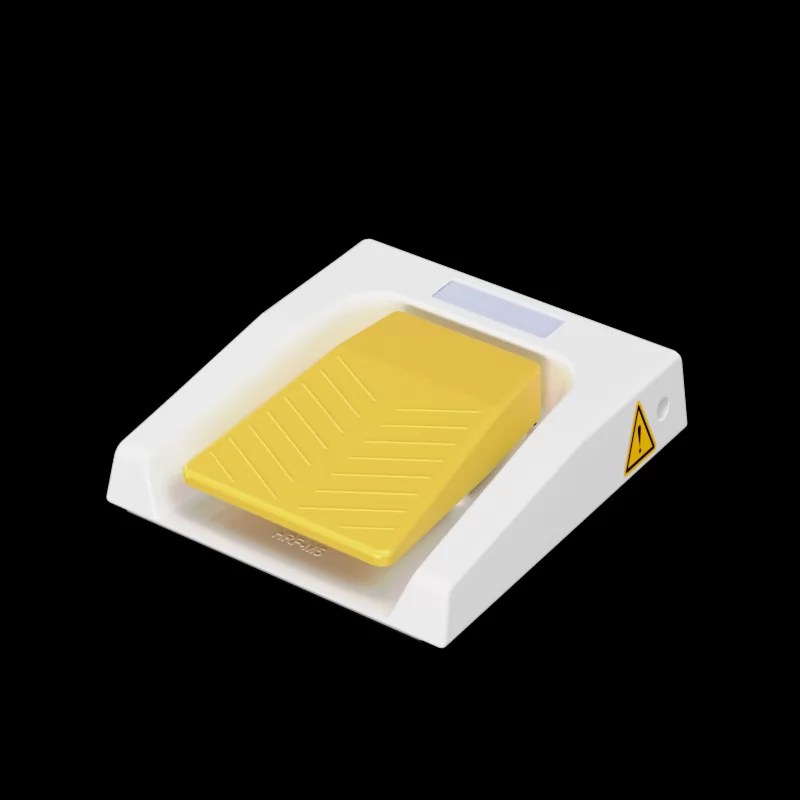 Foot Switches Selection Guide: Types, Features, Applications
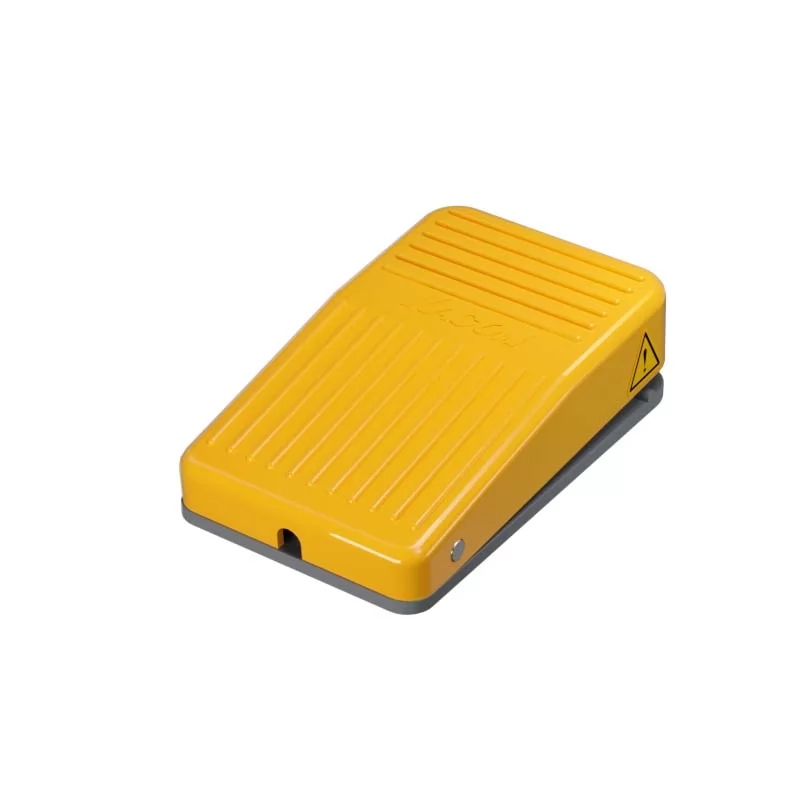 2026 Top 10 Leading Foot Switch Suppliers in the world
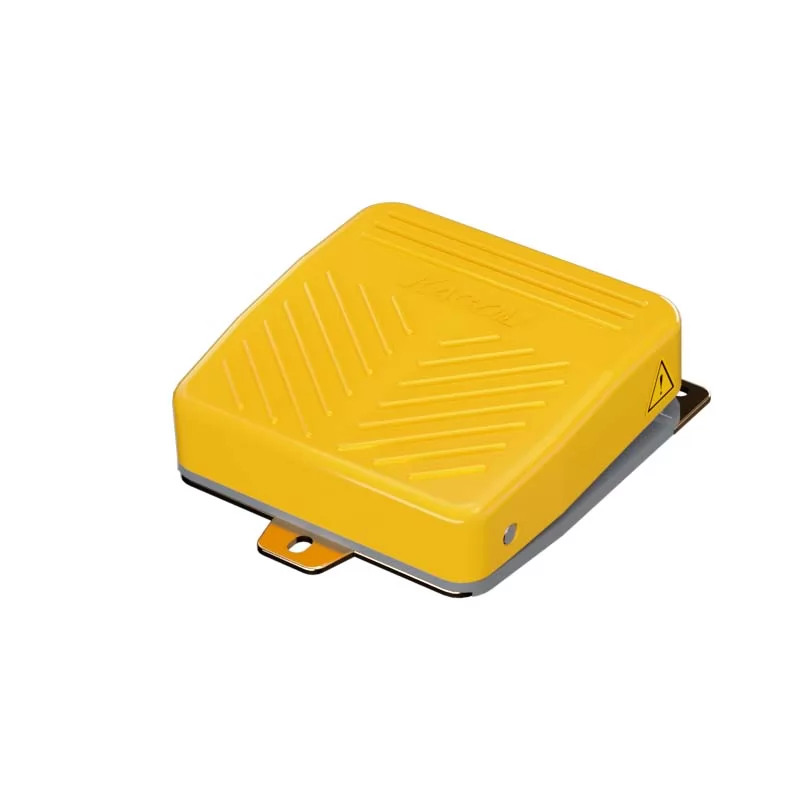 Cross-reference guide for medical foot pedals
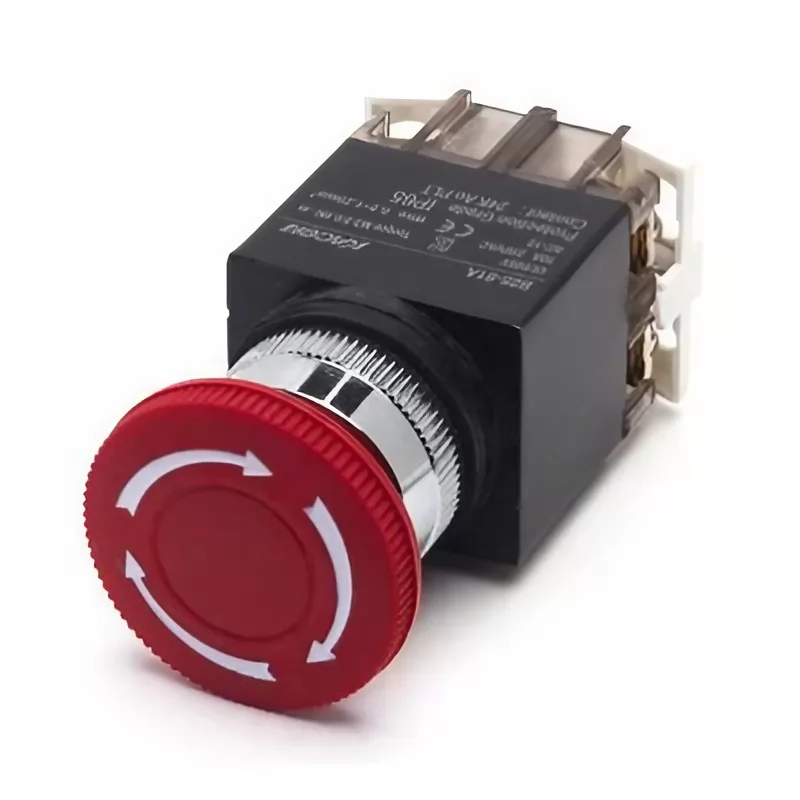 Waterproof momentary vs maintained pedals
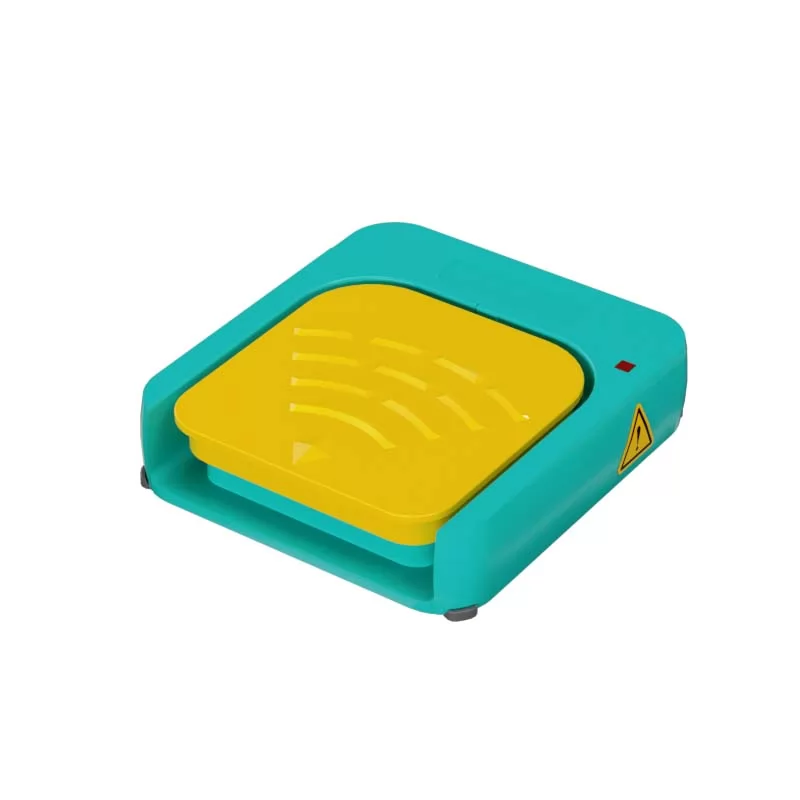 How do I choose the right foot switch?
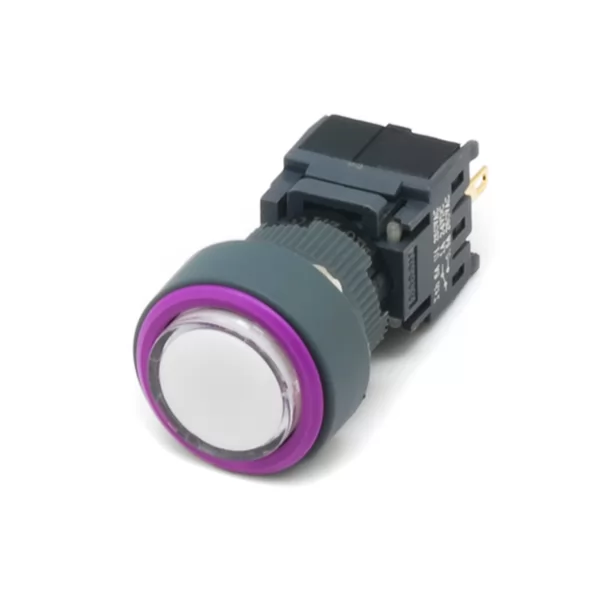 IP67 vs IP68 foot switch for marine use