August. 24, 2026
When I troubleshoot a furnace or industrial control system, I treat unusual cycling, continuous blower operation, overheating, cool air, and ignition failure as possible common signs that a limit switch needs to be replaced. However, repeated limit-switch trips do not automatically prove that the switch is defective. A dirty filter, blocked return, restricted supply vent, weak blower motor, incorrect gas pressure, or damaged wiring can create the same symptoms by causing unsafe temperature increases.
A limit switch is a safety control that monitors temperature or mechanical position and opens or closes an electrical circuit when a preset condition is reached. In a furnace, the high-limit switch opens when the heat exchanger or supply-air temperature becomes excessive, stopping the burner before overheating causes equipment damage. In industrial equipment, a mechanical limit switch can detect travel, position, door status, or the end of a machine movement.
In this guide, I explain how to identify furnace limit switch symptoms, separate a failed switch from an underlying airflow problem, perform safe preliminary checks, understand multimeter testing, and select a compatible replacement. I also cover replacement limit switch cost, supplier evaluation, and the information a technician or Limit Switch Supplier needs before recommending a model.
I define a limit switch as a device that changes electrical contact status when temperature, position, pressure, or travel reaches a specified condition. A furnace high-limit switch is temperature-operated, while an industrial mechanical limit switch is commonly activated by a lever, roller, plunger, or rod. Both devices perform the same basic function: they interrupt or permit a control circuit based on a defined operating condition.
A normally closed furnace limit switch typically allows the heating sequence to continue while the temperature remains below its trip point. When the temperature rises above the switch’s rating, the contacts open and interrupt the burner circuit. Some models reset automatically after cooling, while others require manual resetting by pressing a button after the unsafe condition has been corrected.
The switch does not control the entire furnace by itself. The thermostat requests heat, the control board manages the ignition sequence, the flame sensor confirms combustion, the blower motor moves air, and the limit switch protects against excessive temperature. This is why symptoms of a bad limit switch can resemble thermostat, flame-sensor, control-board, or blower-motor faults.
The most recognizable signs include the following:
I use these symptoms as starting points rather than final proof. A limit switch may be opening correctly because the furnace is overheating, which means replacing the switch without correcting airflow could leave the original fault unresolved. A switch becomes a stronger replacement candidate when it fails continuity testing, remains open after the furnace has cooled, shows heat damage, or does not reset according to its rated design.
Furnace short cycling occurs when the burner starts, runs briefly, shuts down, and then attempts another heating cycle before the home reaches the thermostat setting. In many systems, a dirty filter or blocked return causes insufficient airflow across the heat exchanger. The heat exchanger temperature rises quickly, the high-limit switch opens, and the burner shuts down even though the thermostat is still calling for heat.
I first record the approximate run time and repeat interval. A furnace that shuts down after a consistent short period suggests a repeatable temperature or airflow condition, while random shutdowns may also involve wiring, a loose connection, a control board, or a failing switch mechanism. If the filter is visibly loaded with dust or has exceeded the replacement interval stated by the furnace manufacturer, I correct that condition before condemning the limit switch.
An abrupt burner shutdown can indicate that the high-limit switch opened because the cabinet or heat exchanger reached an unsafe temperature. The blower may continue for several minutes to remove residual heat, which is normal protective behavior after a limit event. If the shutdown occurs repeatedly, continued operation can increase stress on the heat exchanger, blower motor, ignition components, and control board.
I distinguish between a normal post-cycle blower period and an abnormal continuous blower condition. A blower that runs briefly after burner shutdown may be responding correctly to a limit event. A blower that never stops, even after the furnace has cooled and the thermostat is satisfied, requires additional testing of the limit circuit, control board, fan settings, and thermostat wiring.
A blower fan that keeps running can result from an open high-limit switch, a stuck relay on the control board, an incorrect thermostat fan setting, or a wiring problem. On some furnaces, the control board keeps the blower operating when it detects an overtemperature condition. This behavior helps cool the furnace and should not be defeated by disconnecting or bypassing the switch.
I check whether the blower stops after the system has been powered down and safely restarted according to the manufacturer’s instructions. If the blower resumes immediately with no heat call, the issue may involve the control board or a shorted thermostat circuit rather than the limit switch. A technician should measure the control signals and verify the switch state under the actual operating conditions.
Cool air during a heating call often means the blower is operating while the burners are off. This can happen after the limit switch opens, because the furnace continues moving air to reduce internal temperature. It can also result from ignition failure, flame-sensor problems, a gas-supply issue, or a control-board fault.
I do not treat cool air alone as proof of limit-switch failure. I compare the symptom with the timing of the heating sequence: whether the igniter glows, whether the burners light, whether the flame remains established, and whether the blower starts before or after the burner shuts down. That sequence helps separate a high-limit event from a flame-sensing or ignition problem.
A furnace may refuse to ignite after several limit trips because the control board enters a timed safety lockout. In that situation, the original cause may be overheating rather than a failed ignition component. A blocked vent, weak inducer motor, damaged pressure switch, dirty flame sensor, or failed control board can produce a similar no-heat condition.
I recommend checking the diagnostic code displayed by the furnace control board before resetting the system repeatedly. The code should be compared with the unit’s service documentation, not interpreted from a general chart alone. If the same limit or overtemperature code returns after the filter and airflow checks, professional testing is appropriate.
The most common root causes are related to heat buildup and restricted air movement. A clogged filter reduces the volume of air crossing the heat exchanger, while blocked supply registers or return grilles reduce circulation through the system. Closed dampers, crushed ductwork, dirty evaporator coils, and an incorrectly sized filter can create the same effect.
Blower problems are another major cause. A failing capacitor, worn motor bearings, dirty blower wheel, loose belt on older equipment, incorrect speed tap, or damaged wiring can reduce airflow below the furnace’s required level. If the blower starts late, runs slowly, or produces unusual noise, I investigate the motor and airflow before replacing the limit switch.
Overheating can also result from incorrect gas input, burner contamination, blocked combustion passages, or installation problems. The limit switch is designed to respond to unsafe temperature conditions, so repeated tripping may demonstrate that it is performing its protective function. Replacing it without measuring temperature rise and checking airflow can result in another trip within minutes or days.
| Observed symptom | Possible limit-switch issue | Other likely causes | Recommended next action |
|---|---|---|---|
| Burner shuts down after several minutes | Switch opens at high temperature | Dirty filter, blocked return, weak blower | Check airflow, then test switch |
| Blower keeps running | Limit circuit remains open | Stuck control-board relay, thermostat wiring | Check switch state and control signals |
| Furnace will not start | Switch remains open or lockout active | Igniter, flame sensor, pressure switch, board | Read fault code and inspect sequence |
| Cool air from vents | Burner disabled by limit event | Ignition failure or flame-sensor fault | Observe burner and blower timing |
| Random shutdowns | Intermittent contacts or wiring | Loose terminal, board fault, motor overheating | Inspect terminals and perform component testing |
| Switch trips after filter replacement | Temperature still exceeds rating | Duct restriction, gas input, blower fault | Technician should measure temperature rise |
This table helps me avoid replacing a safety component based on one symptom alone. The same furnace behavior can originate in several components, so diagnosis must include the surrounding system. A confirmed open circuit after cooling is more meaningful than a single trip during an overheating event.
Before testing, I isolate electrical power at the furnace service switch and circuit breaker, then verify that the equipment cannot start unexpectedly. I allow hot components to cool and use insulated tools while following the furnace manufacturer’s service instructions. Gas-fired equipment also presents combustion and carbon-monoxide hazards, so homeowners should stop at visual checks if they are not trained to work inside the cabinet.
A homeowner can usually inspect the air filter, supply registers, return grilles, thermostat fan setting, furnace power switch, and visible signs of overheating. I also look for scorched terminals, melted insulation, loose wires, unusual blower noise, and a filter that is visibly blocked. I never remove a safety switch from the circuit or connect wires together to force the furnace to run.
The filter should be the correct size and type for the furnace. A filter that is too restrictive for the system can reduce airflow even when it appears clean, while a poorly fitted filter can allow dust to reach the blower and heat exchanger. After replacing the filter, I observe whether the symptom returns; if it does, the underlying airflow problem still requires attention.
A multimeter can test whether the switch contacts are electrically continuous, but continuity testing must be performed with power removed. After documenting the wire locations, I disconnect the wires from the switch terminals and place the meter in resistance or continuity mode. A normally closed switch should generally show continuity when it is cool and in its reset state, while an open reading may indicate a tripped, failed, or incorrectly identified switch.
The exact result depends on the switch design. A normally open switch should show the opposite contact behavior, and a manual-reset model may require a reset procedure after the cause of overheating has been corrected. I compare the reading with the manufacturer’s wiring diagram and specifications instead of assuming every two-terminal switch is normally closed.
A continuity test does not prove that a limit switch operates correctly at temperature. The contacts may close when cold but open prematurely, fail to open at the rated temperature, or become intermittent under vibration. A technician may need to measure temperature rise, verify airflow, inspect the control circuit, and test the switch under controlled operating conditions.
Professional testing is required when the furnace repeatedly overheats, the switch trips after airflow corrections, the wiring is damaged, the burner flame appears abnormal, or the equipment does not complete its ignition sequence. A technician can measure temperature rise against the furnace nameplate range, test blower current, evaluate static pressure, inspect gas input, and verify safety-circuit operation. These measurements identify the actual cause rather than treating the limit switch as an isolated part.
I also recommend professional service when the furnace has a manual-reset limit, shows signs of flame rollout, produces unusual combustion noise, or has a damaged heat exchanger. These conditions can involve fire, carbon monoxide, or electrical hazards. A limit switch should never be bypassed, taped down, replaced with a higher-rated part, or altered to prevent nuisance trips.
Some furnace limit switches reset automatically after the temperature falls below the reset point. Other switches include a manual reset button that must be pressed only after the overheating cause has been corrected and the equipment has been made safe. I do not repeatedly reset a tripped switch as a substitute for diagnosis.
If a reset switch trips again, the recurrence is important evidence. It may indicate a dirty filter, restricted return, blower fault, excessive gas input, blocked heat exchanger, or another condition producing abnormal temperature. A reset can restore temporary operation, but it does not establish that the switch itself is defective.
Replacement limit switch compatibility involves more than matching the appearance or number of terminals. I compare the original part number, furnace model, temperature rating, reset type, probe length, mounting pattern, terminal style, and wiring configuration. For industrial equipment, I also verify actuator type, operating force, travel, contact arrangement, enclosure rating, mechanical life, and electrical load.
A replacement must match the intended safety function. Installing a switch with a higher temperature rating can delay protective shutdown and expose the furnace to unsafe conditions. Installing a switch with the wrong probe length or mounting position can cause inaccurate temperature sensing, premature cycling, or failure to respond when required.
For industrial applications, kacon lists limit switch product families that include the KXM and KXL series, with actuator options such as roller levers, plungers, and rods. The company identifies applications including machinery, conveyors, packaging systems, control panels, automation, and heavy-duty equipment. I would still require the exact datasheet, contact arrangement, enclosure details, ratings, and mounting dimensions before approving a substitute for a production machine.
!
Kacon operates as a limit switch supplier with production bases identified in Incheon, Korea, Yueqing, Zhejiang, and Weihai, Shandong. Its published product range includes compact and heavy-duty limit switch categories, and its company information describes experience in industrial control products and medical-device components. For procurement, I would request drawings, inspection records, sample approval requirements, packaging details, warranty terms, and delivery commitments before placing a production order.
The total limit switch replacement cost includes diagnosis, labor, the component itself, access time, testing, and any airflow or blower repair required to prevent recurrence. The replacement part may represent only a small portion of the invoice when the technician must remove panels, test several safety controls, clean a blower assembly, or correct duct restrictions. A low part price does not necessarily produce the lowest total cost if the original cause remains unresolved.
For a purchasing department, I calculate total cost of ownership using four categories: unit price, installation labor, expected service interval, and downtime exposure. For example, if a machine stoppage costs $250 per hour and an incorrect replacement causes four additional hours of downtime, the operational loss is $1,000 before counting technician labor or expedited freight. This is why part-number verification, first-article testing, and documented compatibility can reduce cost more effectively than selecting the cheapest listing.
Delivery risk also matters when a switch is used in a furnace fleet or production line. I ask whether the supplier can provide a stable model designation, minimum order quantity, standard lead time, emergency stock options, and notification of design changes. Kacon’s listed product families and customization capability may help with application-specific sourcing, but buyers should obtain written delivery and specification commitments for each order.
A thermostat problem usually affects the call for heat itself, so the furnace may fail to start or may continue calling even when the room temperature is satisfied. A flame-sensor problem commonly allows ignition to begin but causes the burners to shut down shortly after flame detection. A control-board fault can create irregular blower behavior, incorrect timing, or multiple unrelated fault codes.
A blower-motor problem often produces weak airflow, overheating, unusual noise, delayed startup, or a motor that stops after warming. A limit-switch problem is more strongly indicated when the switch remains open after the furnace has cooled, fails the specified continuity test, has heat-damaged contacts, or does not reset correctly. These distinctions are not absolute, which is why I compare electrical readings, temperature measurements, airflow data, and fault history.
Before authorizing replacement, I use the following checklist:
This checklist reduces the risk of installing a visually similar but electrically or thermally incorrect part. I also retain the removed component and test record when the equipment is used in a commercial facility. That documentation supports warranty claims, recurring-fault analysis, and future purchasing decisions.
The common signs that a limit switch needs to be replaced include furnace short cycling, abrupt burner shutdowns, continuous blower operation, cool air during a heat call, ignition failure, and repeated safety lockouts. These symptoms should first be treated as warnings that the furnace may be overheating or that another control component is malfunctioning. A dirty filter, blocked vent, restricted return, weak blower, incorrect gas input, or damaged wiring can trip a properly functioning limit switch.
I recommend beginning with safe homeowner checks: inspect the filter, confirm open vents and returns, review thermostat settings, observe blower behavior, and record diagnostic codes. If the problem continues, a qualified technician should measure temperature rise, airflow, motor performance, control signals, and switch continuity. Replace the switch only with a model matching the temperature rating, reset type, probe length, wiring arrangement, mounting dimensions, and equipment specifications. Never bypass the safety circuit, because repeated tripping is an overheating warning that requires a cause-based repair.
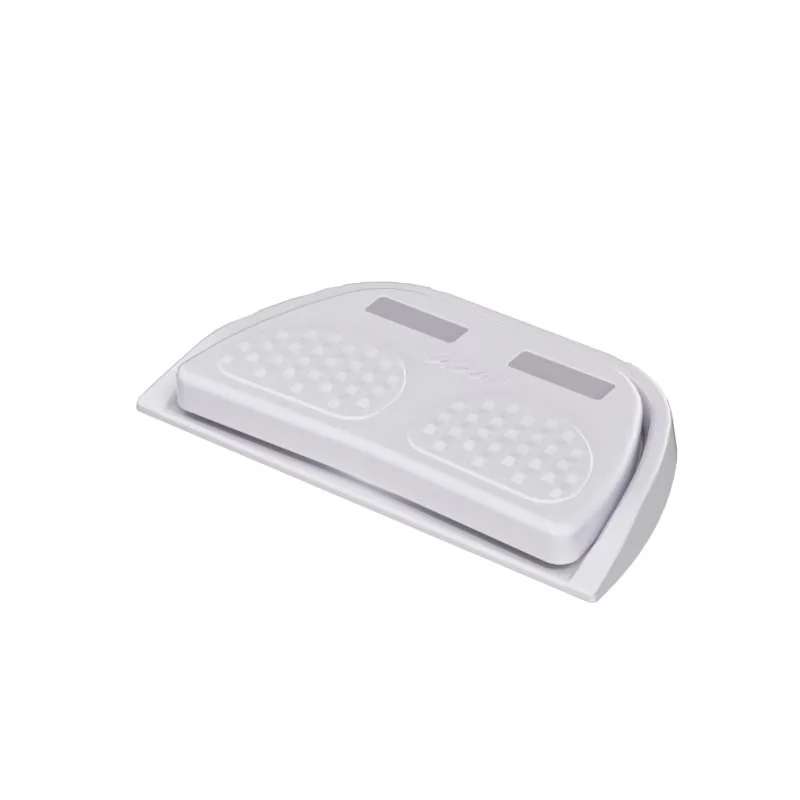 Momentary vs maintained foot switch
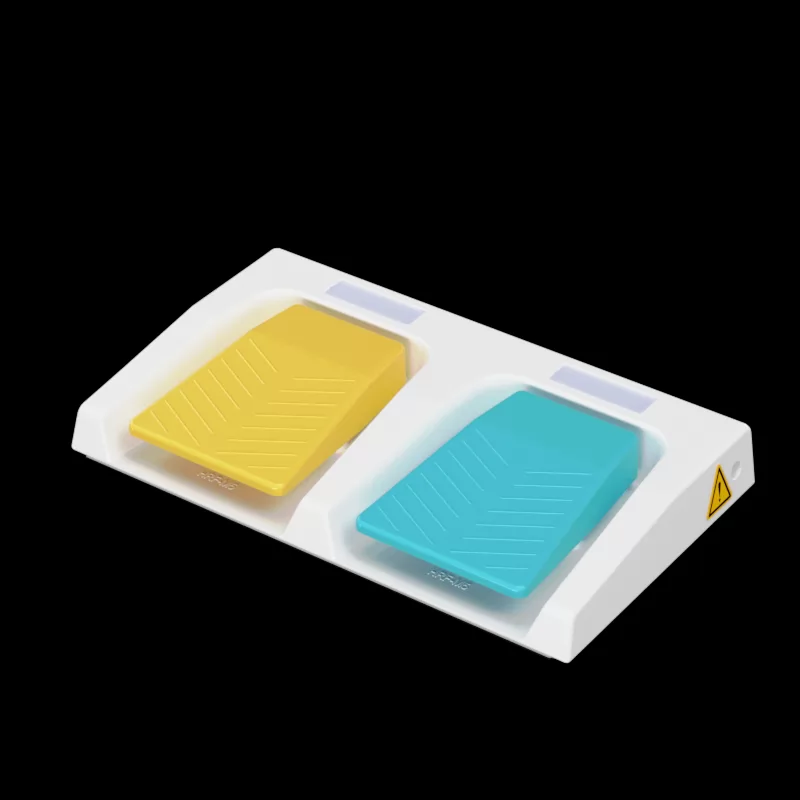 Ergonomic benefits of dual pedal design
 IP67 vs IP68 foot switch for marine use
 Best dual foot switch for hydraulic presses
 Wiring diagram for dual safety foot switches
 Troubleshooting 3-position switch contacts