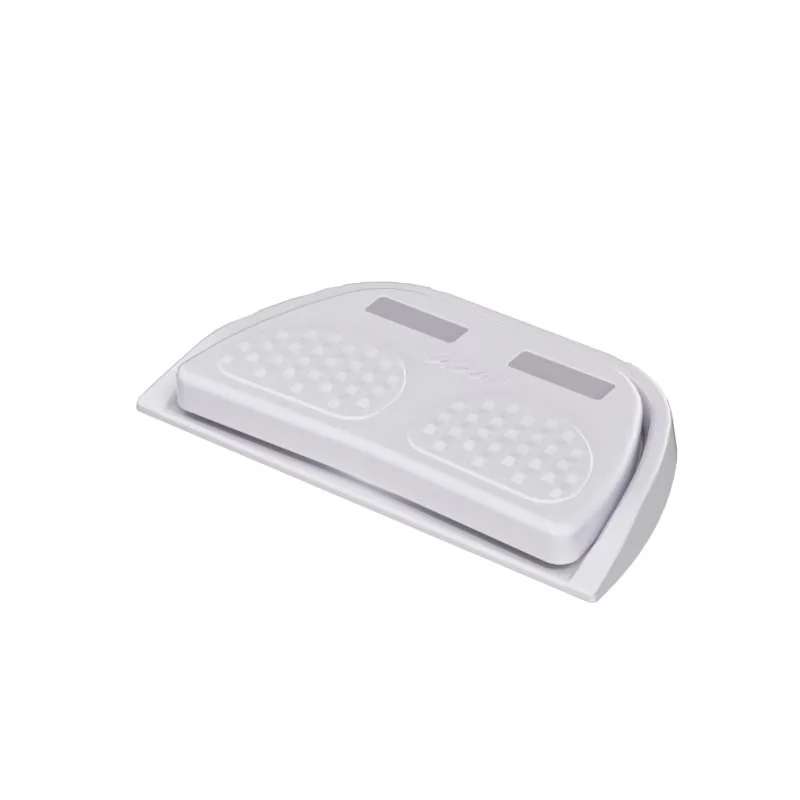
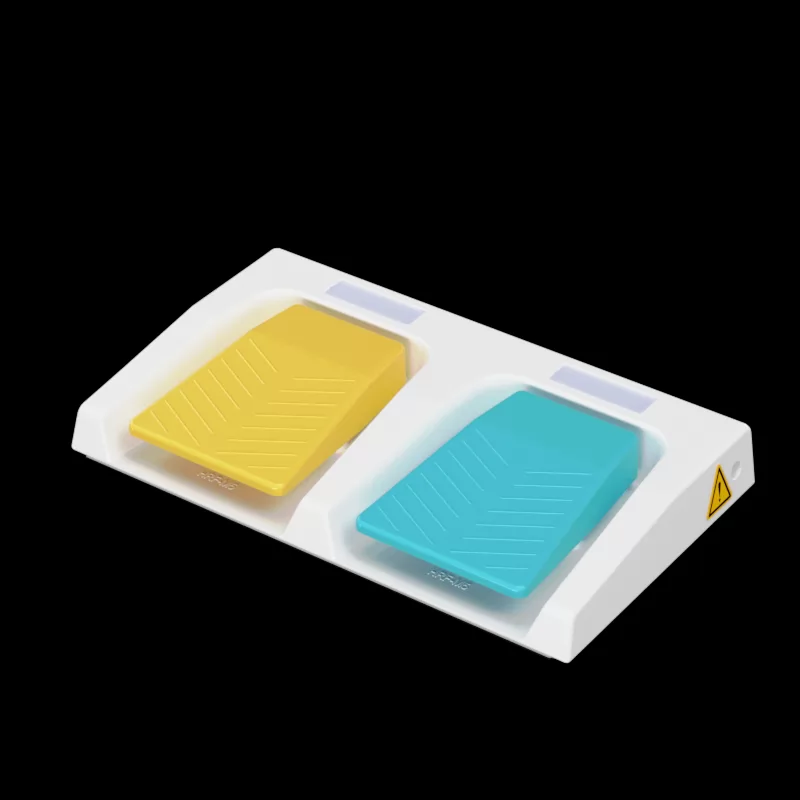
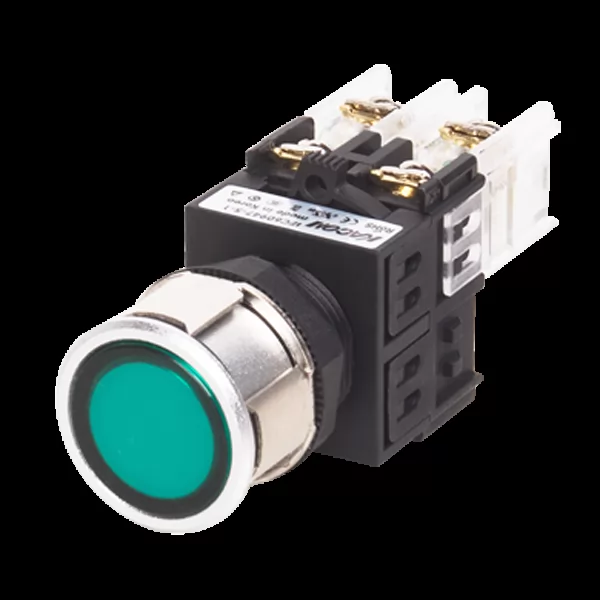
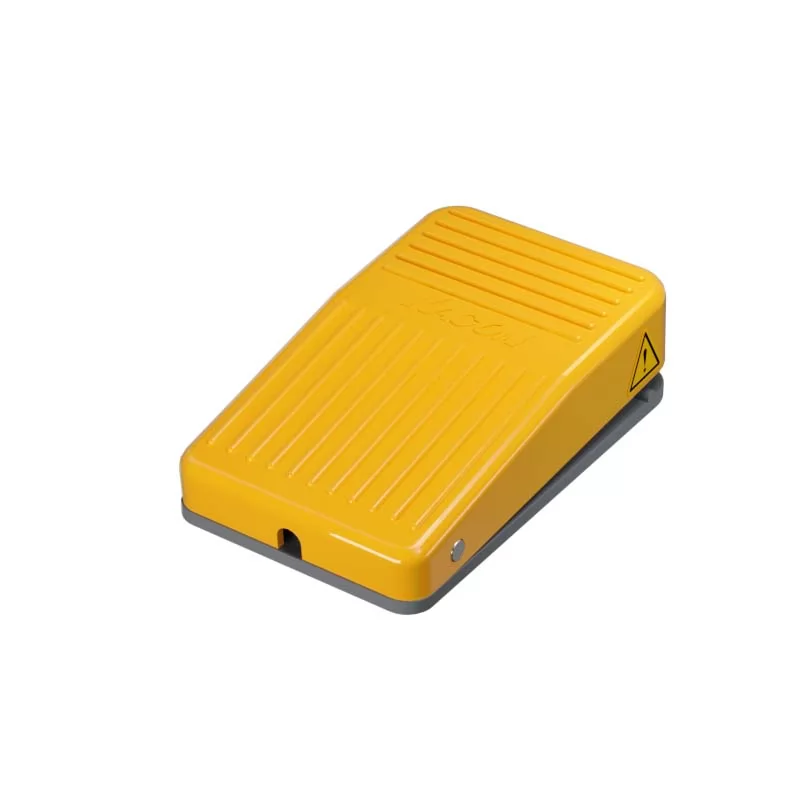
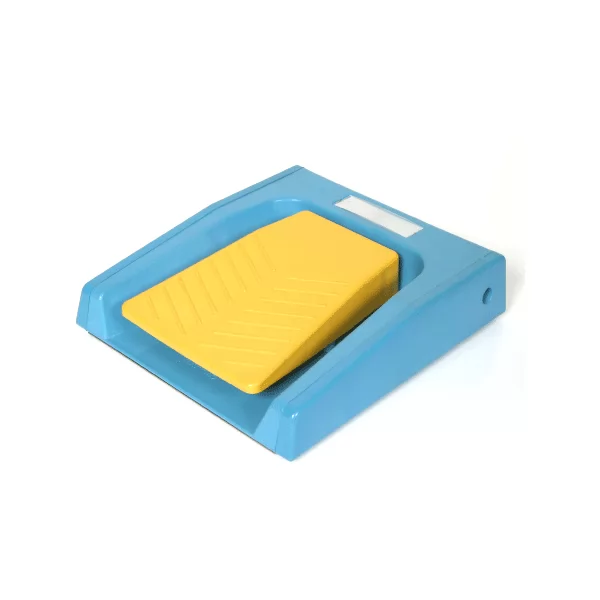
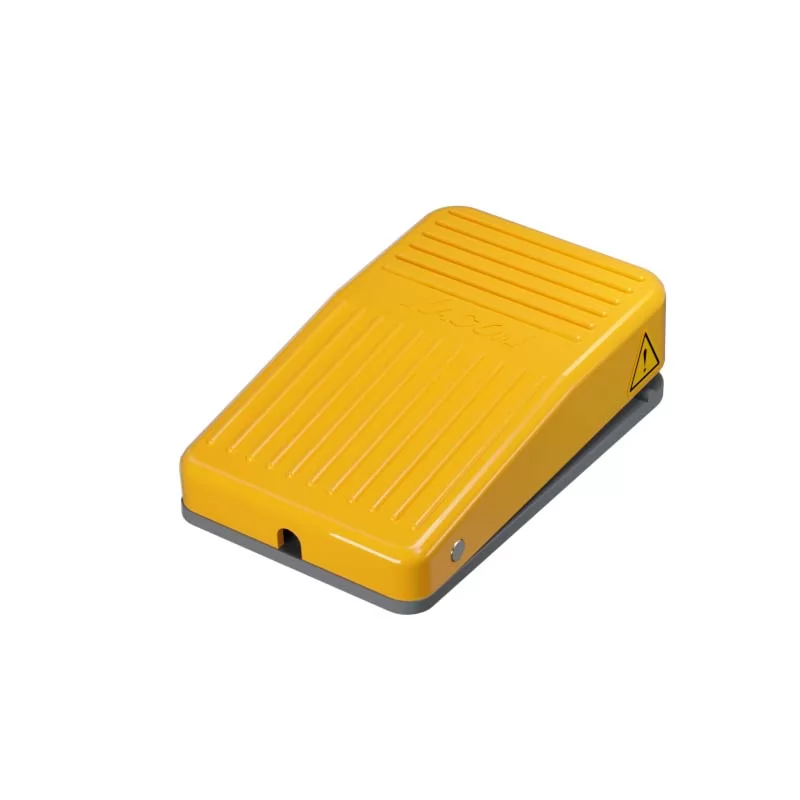
Foot switches, also known as foot pedals or foot controllers, are devices that allow users to control machines or electronic equipment by pressing a pedal with their foot. Unlike hand-operated switches, foot switches provide hands-free operation, making them indispensable in various industries, medical environments, and even home applications. In this article, we explore the key advantages of using a foot switch and why brands like Kacon have become leaders in this field.
Introduction
The demand for efficient, safe, and ergonomic control devices has grown across many industries. Foot switches have emerged as a reliable solution, allowing users to operate machines, tools, or devices without using their hands. From sewing machines to industrial presses, from medical equipment to computer peripherals, foot switches offer unique benefits that enhance productivity, safety, and comfort. In particular, Kacon’s range of foot switches demonstrates how quality engineering and durable design make a tangible difference in performance.

1. Hands-Free Operation
One of the most obvious advantages of a foot switch is the ability to operate equipment without using your hands. This allows workers to multitask more effectively. For instance, a worker operating a sewing machine can guide fabric with their hands while controlling the machine’s speed and start/stop functions with a foot switch. Similarly, in medical or laboratory settings, hands-free control ensures that practitioners can focus on precision tasks without interruption.
2. Improved Safety
Foot switches enhance safety by allowing operators to keep their hands free to manage tools and materials. Many industrial machines are hazardous if hands are near the moving parts. By using a foot switch, operators reduce the risk of accidental injuries. Additionally, foot switches often include features like non-slip bases and protective covers, which prevent unintended activation and improve overall operational safety. Kacon foot switches, for example, are designed with robust safety features to prevent accidental engagement and ensure stable operation.
3. Enhanced Productivity
By enabling hands-free control, foot switches allow for faster and more efficient work. Operators can maintain continuous workflow without pausing to manually operate a switch or button. This is particularly important in manufacturing, where reducing idle time can significantly improve output. Furthermore, the ability to control equipment with foot pressure rather than hand effort reduces fatigue, leading to more consistent productivity over long periods.
4. Ergonomic Benefits
Foot switches contribute to ergonomic efficiency. Repetitive hand movements can cause strain and long-term musculoskeletal issues. By transferring certain control functions to the feet, workers can reduce hand and wrist strain. Many foot switches are adjustable, allowing operators to customize the pedal position according to their comfort, which reduces fatigue and encourages proper posture during prolonged use.
5. Versatility in Applications
Foot switches are versatile devices suitable for numerous applications. In industrial environments, they control machinery like presses, grinders, or welding equipment. In medical settings, foot switches are used with surgical instruments, imaging devices, or dental equipment to enable precise control without contaminating sterile surfaces. Even in offices or home environments, foot switches can control computers, musical instruments, or multimedia devices. The adaptability of Kacon foot switches ensures that they meet the requirements of a wide range of industries.
6. Customizable Functionality
Modern foot switches often offer multiple functionalities. Some models allow single or dual-pedal operation, adjustable resistance, or programmable actions to match specific tasks. This customization helps businesses optimize processes and tailor equipment to their workflow. Kacon, for instance, provides foot switches with modular designs that can be adapted for different machines or control systems, providing maximum flexibility and efficiency for users.
7. Durability and Reliability
High-quality foot switches are built to withstand continuous use in demanding environments. Industrial foot switches are often reinforced to resist mechanical wear, dust, water, and chemicals. This durability reduces downtime and maintenance costs, making them a cost-effective solution for long-term operations. Kacon foot switches are widely recognized for their robust construction and long service life, ensuring reliable performance even under heavy-duty conditions.
8. Reduced Operational Errors
Using a foot switch can minimize human error. Since the operator can maintain a stable position and use both hands for critical tasks, mistakes caused by manual switch operation are reduced. Additionally, foot switches with tactile feedback or adjustable resistance can give users a better sense of control, further decreasing operational errors. This is particularly important in precise industrial or medical procedures.
9. Cost-Effectiveness
Investing in foot switches can provide long-term cost savings. By enhancing productivity, reducing injuries, and lowering maintenance costs, these devices offer significant value. They often require minimal maintenance and can last for years, making them a smart investment for businesses that rely on consistent and reliable control mechanisms.
FAQs About Foot Switches
Q1: What types of foot switches are available?
Foot switches come in various types, including momentary, latching, dual-pedal, and programmable switches. They can be mechanical or electronic, with options for waterproofing and industrial-grade construction depending on the application.
Q2: Are foot switches safe to use?
Yes. Foot switches improve safety by allowing hands-free operation and reducing accidental hand contact with machinery. Reputable brands like Kacon include safety features such as non-slip surfaces, protective covers, and robust mechanical design.
Q3: Can a foot switch be used with a computer?
Absolutely. Many foot switches are designed for computer control, often connecting via USB or Bluetooth. They can be programmed for various functions like keyboard shortcuts, media control, or software commands.
Q4: How do I choose the right foot switch for my needs?
Consider the application, environment, and required functionalities. For industrial machines, durability and resistance to dust, moisture, and chemicals are essential. For medical or office use, precision, ergonomic design, and ease of cleaning may be priorities. Brands like Kacon offer detailed product specifications to help select the appropriate switch.
Q5: Do foot switches require maintenance?
Most foot switches are low-maintenance. Regular inspection for wear, cleaning to prevent debris accumulation, and checking electrical connections can extend their lifespan and ensure reliable performance.
Conclusion
Foot switches offer numerous advantages, including hands-free operation, improved safety, increased productivity, ergonomic benefits, versatility, customizable functionality, durability, reduced errors, and long-term cost savings. They are essential tools in industrial, medical, and home environments where efficiency and safety are priorities. Leading brands like Kacon demonstrate the impact of quality engineering, delivering reliable and versatile foot switches for a wide range of applications. Whether you’re operating machinery, controlling medical devices, or managing computer tasks, a foot switch provides a practical and efficient solution.
Choosing the right foot switch can transform the way you work, ensuring greater comfort, precision, and productivity. By investing in high-quality foot switches, businesses and individuals alike can enjoy enhanced control and operational efficiency for years to come.