January. 14, 2026
In modern industrial automation, safety systems, and mechanical control processes, precise position detection is critical. One of the most reliable and widely used components for this purpose is the limit switch. Yet many engineers, buyers, and technicians still ask a fundamental question: what is a limit switch, and why is it so important?
A limit switch is more than just a simple electrical device. It acts as a physical interface between moving machinery and control systems, ensuring accurate operation, preventing over-travel, and improving safety. From conveyor belts and CNC machines to elevators and robotic arms, limit switches play a silent but essential role in countless applications.
At its core, what is a limit switch? A limit switch is an electromechanical device designed to detect the presence, position, or movement of an object. It is activated when a moving part of a machine physically contacts the switch actuator, triggering an electrical signal.
Unlike non-contact sensors, limit switches rely on direct mechanical interaction. This makes them highly reliable in harsh industrial environments where dust, vibration, moisture, or electrical noise may interfere with other sensing technologies.
Limit switches are commonly used to:
Stop or start machinery
Control motion sequences
Provide safety interlocks
Signal position limits
Understanding what is a limit switch also means understanding its role as a decision-making device in automated systems.

To fully grasp what is a limit switch, it is important to understand its working principle.
A typical limit switch consists of:
An actuator (lever, roller, plunger, or rotary arm)
An internal spring mechanism
Electrical contacts (normally open or normally closed)
A protective housing
When a moving object contacts the actuator, the internal mechanism shifts. This movement changes the state of the electrical contacts, sending a signal to the control system. Once the object moves away, the actuator returns to its original position.
Because the operation is mechanical, limit switches provide a clear and repeatable response. This is one reason why they remain popular despite the availability of advanced electronic sensors.
The actuator is the part that physically interacts with the machine. Common actuator types include:
Roller lever
Plunger
Spring rod
Rotary arm
The choice of actuator depends on motion direction, speed, and required precision.
Another key element in understanding what is a limit switch is the contact configuration:
Normally Open (NO)
Normally Closed (NC)
Changeover (SPDT)
These contacts determine how the switch behaves within a circuit.
Limit switch housings are often made of metal or reinforced plastic. Industrial-grade designs offer protection against dust, water, oil, and impact, making them suitable for demanding environments.
A clear answer to what is a limit switch also includes knowing the different types available on the market.
These are the most common type. They rely entirely on physical contact and mechanical movement. Their durability and simplicity make them ideal for industrial machinery.
Designed for harsh conditions, heavy-duty limit switches are often used in mining, steel plants, and heavy manufacturing. They feature robust housings and high mechanical life.
Miniature versions are used where space is limited, such as in small machines, consumer appliances, and precision instruments.
These switches are integrated into safety circuits to prevent accidents. They are often used in guard doors, emergency stop systems, and access panels.

If you are still asking what is a limit switch used for, the following applications provide a clear picture.
Limit switches control motion endpoints in automated production lines. They ensure machines stop at predefined positions, improving efficiency and safety.
In conveyor systems, limit switches detect package positions, prevent jams, and control start-stop functions.
Limit switches define upper and lower travel limits, preventing over-travel and mechanical damage.
CNC machines and lathes rely on limit switches to define reference points and travel boundaries.
Robotic arms use limit switches as backup position sensors and safety components.
Understanding what is a limit switch also means recognizing why it is still widely used today.
Key advantages include:
High reliability
Simple design
Cost-effectiveness
Resistance to electrical interference
Clear ON/OFF signals
Because limit switches do not rely on complex electronics, they are easier to troubleshoot and maintain.
A common comparison when discussing what is a limit switch is with proximity sensors.
| Feature | Limit Switch | Proximity Sensor |
|---|---|---|
| Contact | Physical contact | Non-contact |
| Cost | Lower | Higher |
| Environmental resistance | High | Medium to high |
| Precision | Moderate | High |
| Maintenance | Simple | More complex |
While proximity sensors offer higher precision, limit switches remain the preferred choice for many heavy-duty and cost-sensitive applications.
Proper installation is essential to get the most out of a limit switch.
Key installation tips:
Align the actuator correctly with the moving part
Avoid excessive force on the actuator
Use appropriate wiring according to voltage and current ratings
Ensure proper grounding for safety
Incorrect installation can shorten the lifespan of the device and affect system performance.
When selecting a limit switch, consider the following factors:
Type of motion (linear or rotary)
Operating environment
Required electrical rating
Mechanical life expectancy
Mounting method
Well-known manufacturers such as Kacon offer a wide range of limit switches designed for industrial reliability. Choosing a reputable brand ensures consistent performance and compliance with international standards.
To extend service life:
Inspect actuators regularly
Check for contact wear
Keep the switch clean and dry
Replace worn components promptly
Understanding what is a limit switch also means knowing that preventive maintenance can significantly reduce downtime.
So, what is a limit switch, and why does it matter? A limit switch is a fundamental electromechanical component that provides reliable position detection, motion control, and safety assurance across a wide range of industries.
Its simple structure, high durability, and proven reliability make it indispensable in industrial automation, machinery, and safety systems. Even as technology evolves, the limit switch remains a trusted solution where mechanical certainty is required.
By understanding how limit switches work, their types, and their applications, you can make informed decisions for system design, maintenance, and procurement. Whether used alone or alongside modern sensors, limit switches continue to be a cornerstone of efficient and safe industrial operation.

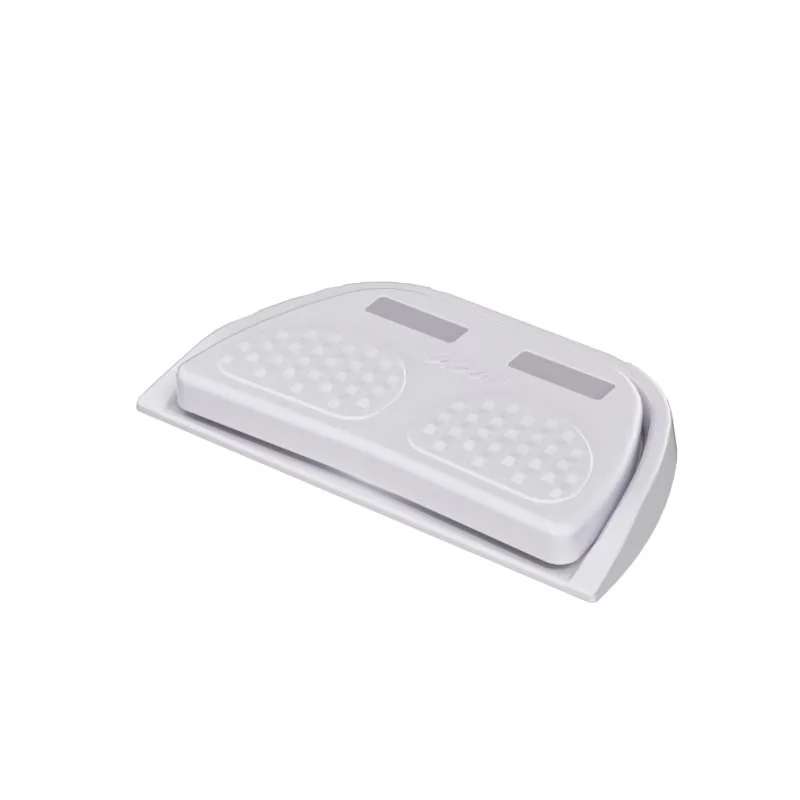 Momentary vs maintained foot switch
 Ergonomic benefits of dual pedal design
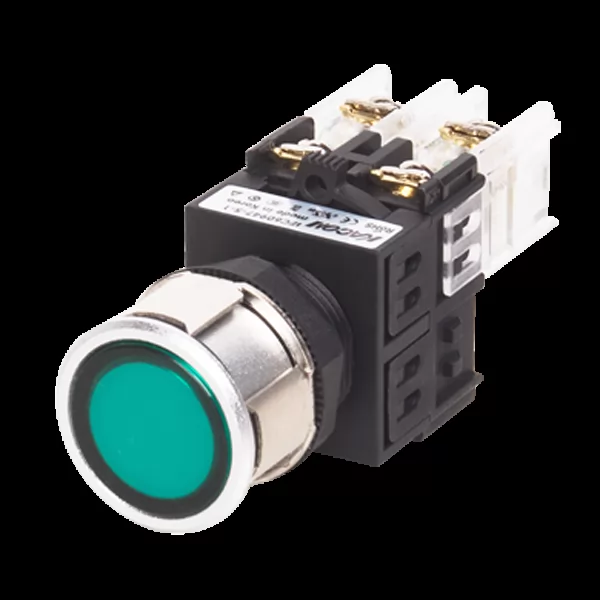 IP67 vs IP68 foot switch for marine use
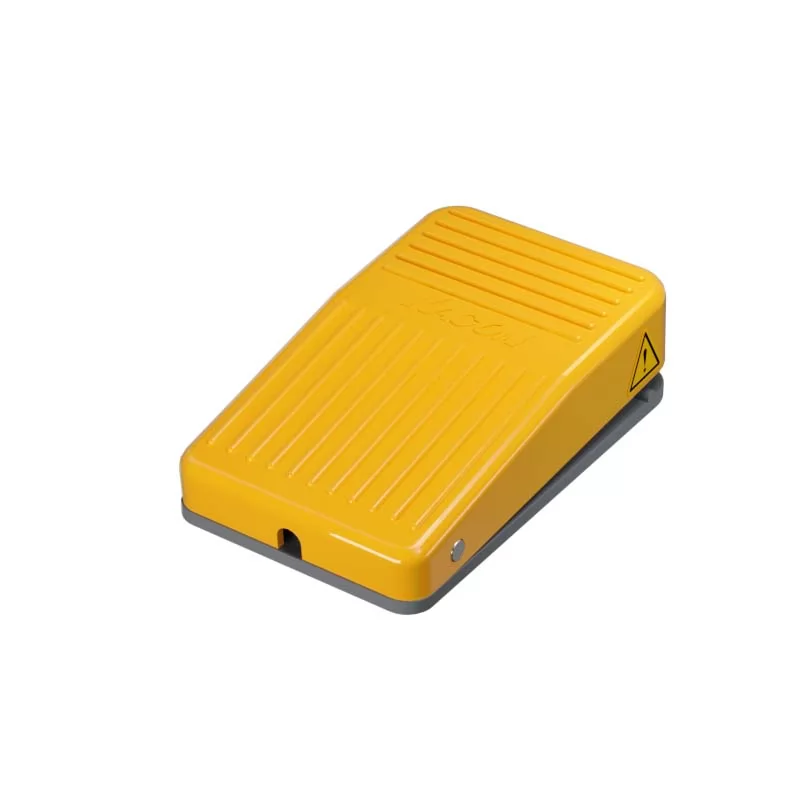 Best dual foot switch for hydraulic presses
 Wiring diagram for dual safety foot switches
 Troubleshooting 3-position switch contacts