March. 19, 2026
In modern manufacturing environments, operator safety and efficient machine control are essential. Industrial machines often require precise activation while allowing the operator to keep both hands free for handling materials or tools. This is where a safety foot switch for industrial machines becomes an essential component.
A safety foot switch is a specialized control device designed to operate machinery through foot pressure while incorporating protective features that prevent accidental activation. It enables workers to control machines safely, quickly, and efficiently without using their hands.
These devices are widely used in industries such as metal fabrication, packaging, medical equipment manufacturing, woodworking, and automated assembly lines. By combining ergonomic design with safety protection mechanisms, safety foot switches help reduce workplace accidents while improving productivity.
A safety foot switch for industrial machines is a foot-operated electrical switch that allows an operator to start, stop, or control machinery by pressing a pedal with their foot. Unlike ordinary foot switches, safety foot switches include protective structures and safety mechanisms designed to prevent unintended activation.
The main purpose of a safety foot switch is to provide hands-free control while ensuring operator safety. These switches typically include protective guards, emergency stop functions, anti-slip pedals, and durable enclosures that withstand harsh industrial environments.
In industrial settings, machines such as presses, welding equipment, cutting machines, and assembly systems often require the operator to manipulate materials while simultaneously activating the machine. A safety foot switch allows precise machine control without compromising safety.
Key characteristics of safety foot switches include:
Protective pedal guard to prevent accidental pressing
Heavy-duty construction for industrial environments
Anti-slip pedal surface for stable operation
Reliable electrical switching mechanism
Optional emergency stop or dual-stage activation
Because of these safety features, they are commonly used in high-risk industrial operations where accidental machine activation could cause injuries.

The working principle of a safety foot switch for industrial machines is relatively simple but highly reliable.
When an operator presses the pedal with their foot, the internal switch mechanism closes or opens an electrical circuit. This signal is then transmitted to the machine's control system, triggering an action such as starting, stopping, or changing machine operation.
Foot Pedal Activation
The operator presses the pedal using their foot.
Mechanical Motion Transfer
The pedal movement activates an internal mechanical or electronic switch.
Electrical Signal Transmission
The switch sends an electrical signal to the machine controller.
Machine Response
The machine performs the programmed operation, such as pressing, cutting, welding, or drilling.
Many safety foot switches also include two-stage activation or interlock protection, which means the pedal must be pressed in a specific way before the machine can operate. This design significantly reduces the risk of accidental triggering.

A high-quality industrial safety foot switch must meet strict performance and safety standards. The following features are commonly found in modern designs.
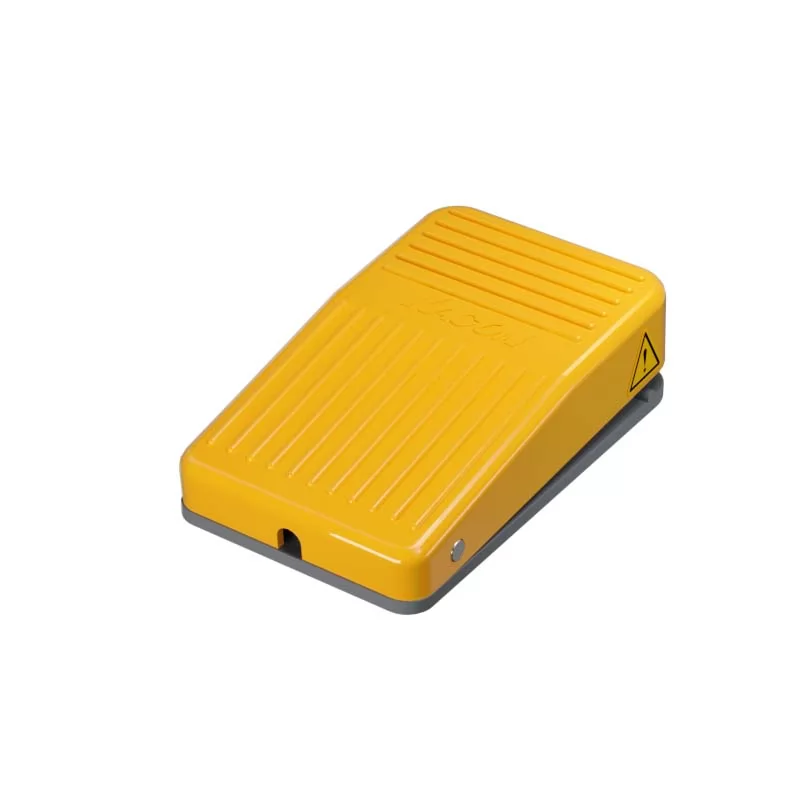
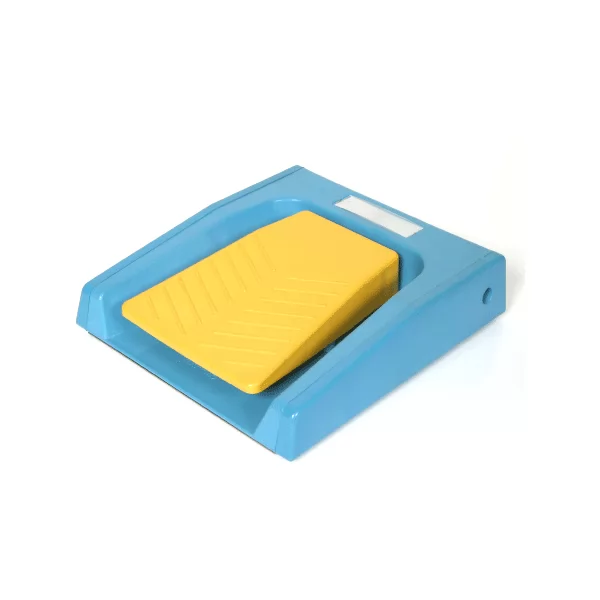
One of the most important safety features is the protective guard or cover. This metal or plastic housing surrounds the pedal and prevents accidental pressing caused by dropped tools or unintended contact.
Industrial environments may involve oil, dust, or moisture. Safety foot switches typically include anti-slip surfaces to ensure stable operation even under difficult working conditions.
Safety foot switches are often built with aluminum alloy, reinforced plastic, or metal enclosures to withstand mechanical impact, vibration, and long-term industrial use.
Some safety foot switches include emergency stop capability, allowing operators to immediately halt machine operation in hazardous situations.
Industrial safety foot switches can support various control modes, such as:
Momentary operation
Maintained operation
Two-step activation
Deadman control systems
These options allow engineers to integrate the switch into different machine control systems.
High-quality safety foot switches often feature IP-rated protection to resist dust, water, and oil exposure.
Manufacturers such as Kacon design industrial foot switches with robust protection features to meet demanding factory environments.

Installing a safety foot switch for industrial machines offers several significant benefits.
Safety foot switches reduce the risk of accidental machine activation by incorporating protective covers, safety mechanisms, and ergonomic pedal designs.
One of the biggest advantages is hands-free machine control. Operators can use both hands to position materials, improving precision and efficiency.
Using foot control allows operators to activate machines instantly without reaching for buttons or panels, improving production speed.
Foot switches can reduce repetitive hand movements, minimizing operator fatigue during long working hours.
Foot switches provide precise control over machine operation, especially in tasks that require coordination between hand movement and machine activation.
Some industrial equipment manufacturers integrate reliable control devices from brands such as Kacon to enhance machine safety and operational efficiency.
Safety foot switches are used across many industrial sectors.
In metal fabrication workshops, foot switches are used to control:
Hydraulic presses
Punching machines
Sheet metal bending machines
Welders often use safety foot switches to activate welding arcs while positioning materials.
Woodworking tools such as saws, routers, and sanding machines often rely on foot switches for quick machine activation.
Packaging lines use foot switches for sealing, labeling, and cutting operations.
In medical and dental devices, foot switches allow doctors to control equipment while keeping their hands free.
Sewing machines commonly use foot switches for speed control and operation.
Selecting the right industrial safety foot switch requires careful consideration of several factors.
Ensure the switch supports the electrical specifications of your machine, including voltage and current ratings.
Consider whether the application requires a guarded switch, emergency stop function, or deadman control.
Industrial environments may involve dust, oil, vibration, or moisture. Choose a switch with an appropriate IP protection rating.
Depending on the machine operation, select:
Single pedal
Dual pedal
Multi-stage pedal
Heavy-duty metal housings are recommended for demanding industrial environments.
Ensure the safety foot switch complies with relevant industrial safety standards and certifications.
Proper installation and maintenance help ensure long-term reliability of a safety foot switch.
Position the switch within comfortable foot reach
Secure it to the floor if necessary to prevent movement
Ensure cables are protected from damage
Follow machine wiring instructions carefully
Regularly inspect the pedal for damage or wear
Check electrical connections
Keep the switch clean from dust and debris
Test safety functions periodically
Routine inspection helps prevent unexpected machine failures.
A safety foot switch for industrial machines is a crucial control device that enhances both operator safety and production efficiency. By allowing hands-free machine operation while incorporating protective mechanisms, safety foot switches help prevent accidental activation and workplace injuries.
From metal fabrication and woodworking to medical equipment and packaging systems, these devices are widely used across many industries. When selecting a safety foot switch, manufacturers should consider safety features, durability, environmental resistance, and machine compatibility.
With proper installation, maintenance, and the right design, a safety foot switch can significantly improve both industrial safety standards and operational productivity.

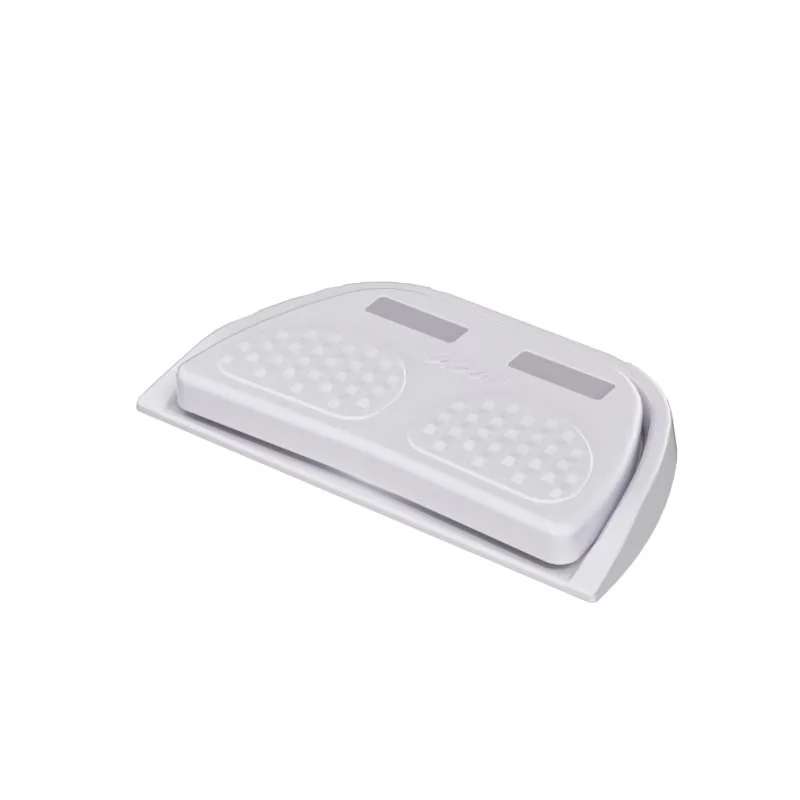 Momentary vs maintained foot switch
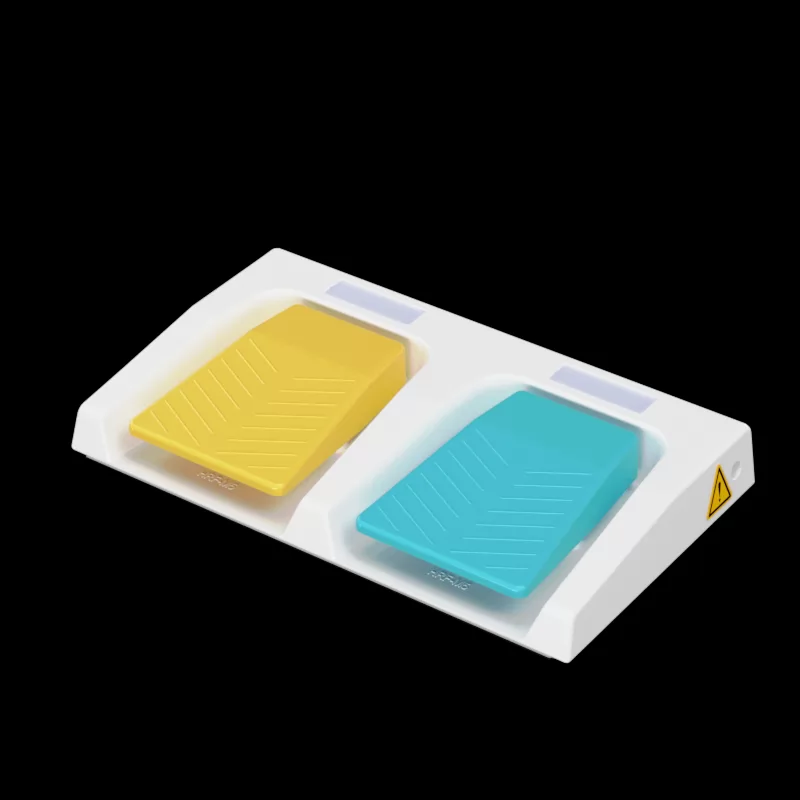 Ergonomic benefits of dual pedal design
 IP67 vs IP68 foot switch for marine use
 Best dual foot switch for hydraulic presses
 Wiring diagram for dual safety foot switches
 Troubleshooting 3-position switch contacts