February. 28, 2026
In modern industrial environments, machine safety is not optional—it is essential. Factories, warehouses, and automated production lines operate with high-speed machinery, robotic arms, and complex mechanical systems. Without proper protection measures, these systems can pose serious risks to operators.
One of the most critical protective components in industrial automation is the safety door switch. But what is the principle of safety door switch? How does it detect door position and prevent hazardous motion? Why is it widely used in machine guarding systems?
This article explains the working principle of safety door switch, its internal mechanism, common types, wiring logic, and application scenarios. We will also explore how safety door switches help companies meet international safety standards while improving operational reliability.
A safety door switch is an electromechanical or electronic safety device installed on protective doors, gates, or covers of industrial machines. Its primary function is to:
Detect whether a protective door is open or closed
Send a signal to the machine control system
Stop hazardous motion when the door is opened
Prevent machine startup if the door is not securely closed
Unlike ordinary limit switches, a safety door switch is designed with redundant contacts, tamper resistance, and fail-safe mechanisms to meet strict industrial safety requirements.
The core principle of safety door switch operation is simple:
The machine runs only when the safety door is securely closed and monitored.

The principle of safety door switch is based on position detection and circuit interruption.
When the safety door is closed:
The actuator (key or tongue) inserts into the switch body
Internal safety contacts close
A safety signal is sent to the control system
The machine is allowed to operate
When the safety door is opened:
The actuator is removed
Safety contacts open immediately
The safety circuit is interrupted
The machine stops or enters a safe state
This interruption follows the fail-safe principle, meaning that if a wire breaks or the switch fails, the system defaults to a safe condition (machine stops).
The fail-safe design is a fundamental part of the safety door switch principle.
In a fail-safe system:
Contacts are typically normally closed (NC)
The circuit remains complete only when everything is safe
Any fault (open door, broken wire, switch damage) opens the circuit
This ensures that unexpected failures do not result in dangerous machine operation.
Many safety door switches use a positive opening mechanism, which means the contacts are physically forced open by mechanical action rather than relying on spring force alone.
This guarantees:
Reliable disconnection
Reduced risk of contact welding
Compliance with international safety standards
The positive opening structure is a key element in the safety door switch working principle.

Understanding the principle of safety door switch becomes clearer when we examine different types available in the market.
Mechanical safety switches use a physical actuator inserted into the switch body.
Features:
Simple structure
High durability
Suitable for harsh industrial environments
Cost-effective
They are commonly used in manufacturing plants, packaging machines, and conveyor systems.
Magnetic safety door switches operate using magnetic field detection.
Working principle:
A magnet is installed on the door
A sensor is installed on the frame
When aligned, the magnetic field closes the safety circuit
When separated, the circuit opens
Advantages include:
No mechanical wear
Sealed design
Suitable for food and pharmaceutical industries
RFID safety switches use uniquely coded actuators.
Principle:
Each actuator has a unique RFID code
The switch verifies the code
The machine runs only if the correct coded actuator is detected
Benefits:
High tamper resistance
Enhanced machine safety
Suitable for high-risk machinery
This advanced type not only detects door position but also locks the door during hazardous machine operation.
Working principle:
The solenoid locks the door when the machine runs
The door unlocks only when safe conditions are met
Prevents premature access
This type is widely used in robotic cells and high-speed automated systems.
The safety door switch principle involves more than simple contact opening and closing. It must integrate with:
Safety relays
PLC safety modules
Emergency stop circuits
Dual-channel monitoring systems
Modern safety systems often use dual-channel wiring:
Two independent circuits monitor the switch
Both must confirm safe status
Prevents single-point failure
This redundancy increases reliability and helps achieve higher safety categories.
The principle of safety door switch design aligns with international safety standards such as:
ISO 14119 (Interlocking devices associated with guards)
ISO 13849 (Safety-related parts of control systems)
IEC 60947-5-1
Compliance ensures:
Risk reduction
Legal operation
Insurance approval
Workplace safety certification
High-quality manufacturers such as KACON design safety door switches according to these standards, ensuring reliable performance in industrial automation systems.
The principle of safety door switch makes it suitable for a wide range of industries.
CNC machines
Press machines
Injection molding machines
Automated welding stations
Safety door switches prevent access to moving parts.
Robotic arms operate at high speeds. A safety door switch ensures:
Immediate stop when a guard door opens
Controlled restart procedures
High-speed cutters and sealers require strict guarding. Safety door switches help avoid accidental injury during maintenance.
Magnetic or stainless steel safety switches are used to:
Maintain hygiene standards
Provide washdown resistance
Ensure operator safety
The principle of safety door switch offers multiple benefits:
Prevents accidental exposure to hazardous motion.
Stops machines before mechanical damage occurs.
Supports safety certification requirements.
Fail-safe operation prevents unexpected accidents.
Stable safety signals ensure smooth system integration.
Many industrial automation brands, including KACON, provide safety door switches designed for long-term reliability in demanding environments.
To fully implement the safety door switch principle, proper installation is essential.
Ensure actuator alignment to avoid false triggering.
Use tamper-resistant screws to prevent bypassing.
Follow dual-channel safety wiring guidelines.
Check mechanical wear and electrical continuity.
Using ordinary limit switches instead of safety-rated switches
Single-channel wiring in high-risk applications
Ignoring positive opening requirements
Bypassing safety interlocks for convenience
These mistakes compromise the core safety door switch working principle and increase accident risk.
Regular inspection ensures that the principle of safety door switch continues to function correctly.
Opening and closing response test
Electrical continuity check
Locking mechanism verification (if applicable)
Checking for mechanical damage
A preventive maintenance schedule improves safety system lifespan.
The main principle of safety door switch is to monitor the position of a protective door and interrupt the safety circuit immediately when the door is opened, preventing hazardous machine operation.
A safety door switch includes fail-safe design, positive opening contacts, and redundant circuits, while a standard limit switch does not meet safety-rated requirements.
In a properly designed system, failure causes the circuit to open and the machine to stop, following the fail-safe principle.
Yes, many models are designed with IP-rated enclosures for harsh or outdoor environments.
Yes, when properly installed, magnetic safety door switches offer reliable non-contact detection and minimal wear.
Understanding the principle of safety door switch is essential for anyone involved in industrial automation, machine design, or plant safety management.
At its core, the safety door switch working principle is built on three pillars:
Position detection
Fail-safe circuit interruption
Redundant safety monitoring
From mechanical key-operated switches to advanced RFID-coded interlocks, safety door switches play a critical role in protecting operators and ensuring compliance with global safety standards.
By selecting high-quality components, following correct wiring practices, and performing regular maintenance, companies can create a safer and more efficient working environment.
In today’s highly automated industries, safety door switches are not just accessories—they are fundamental elements of responsible and sustainable machine operation.

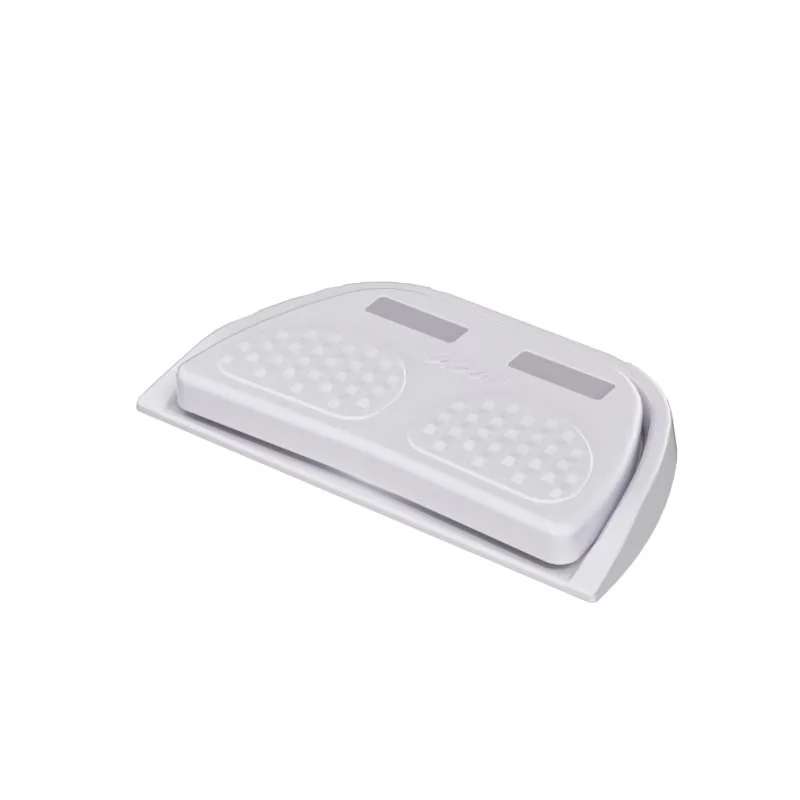 Momentary vs maintained foot switch
 Ergonomic benefits of dual pedal design
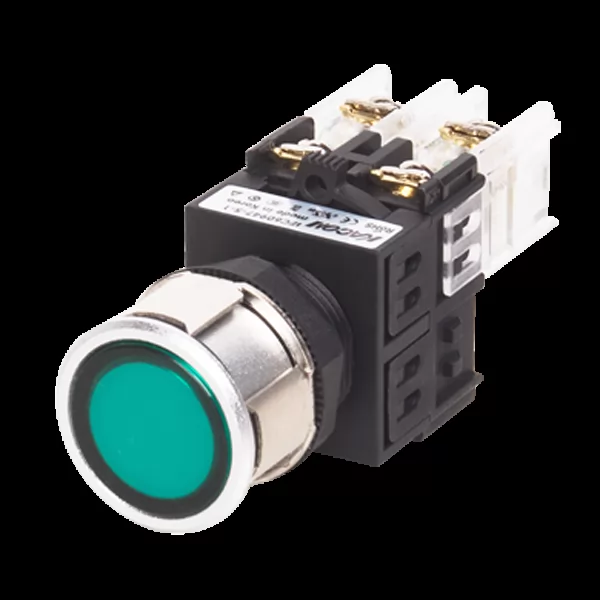 IP67 vs IP68 foot switch for marine use
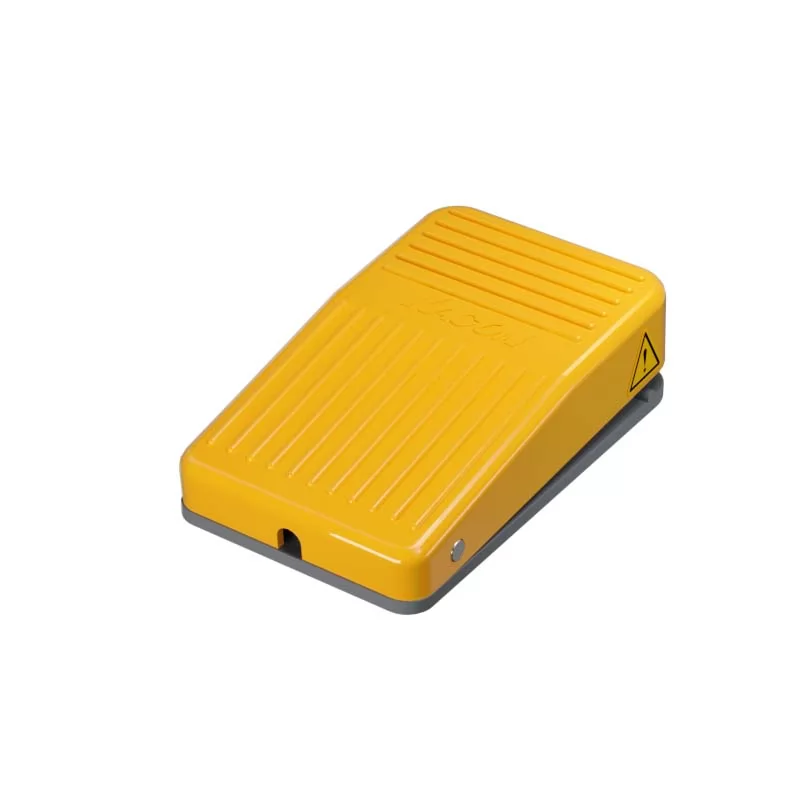 Best dual foot switch for hydraulic presses
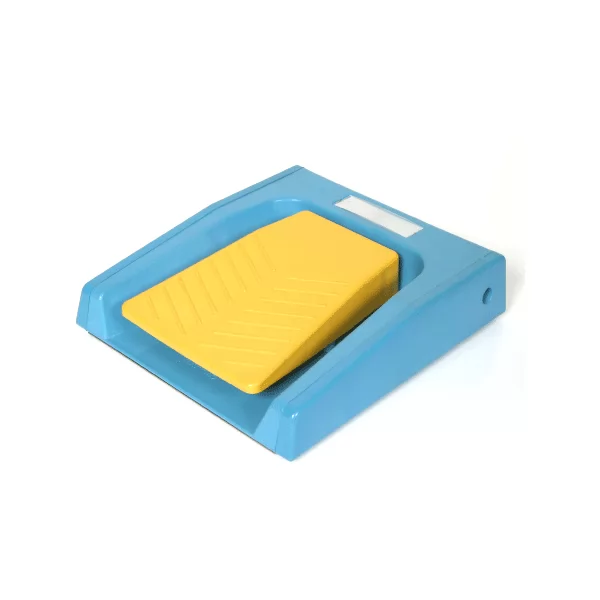 Wiring diagram for dual safety foot switches
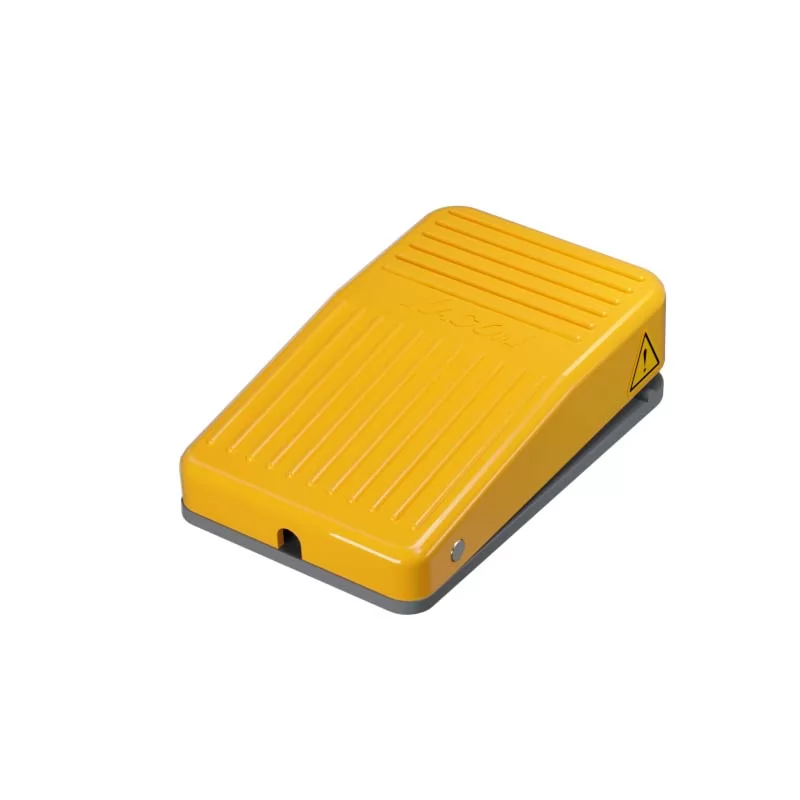 Troubleshooting 3-position switch contacts