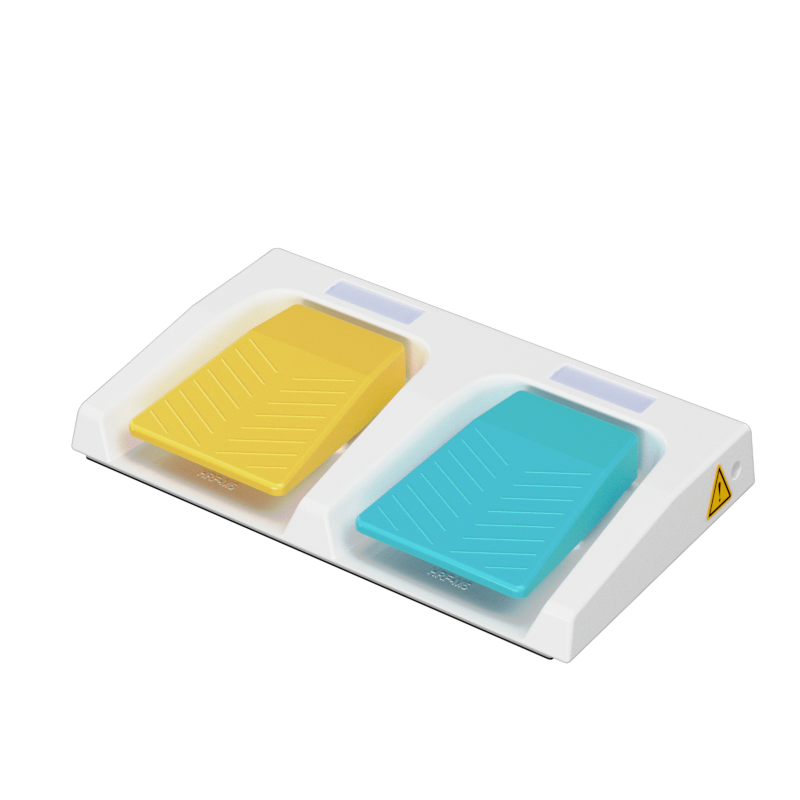
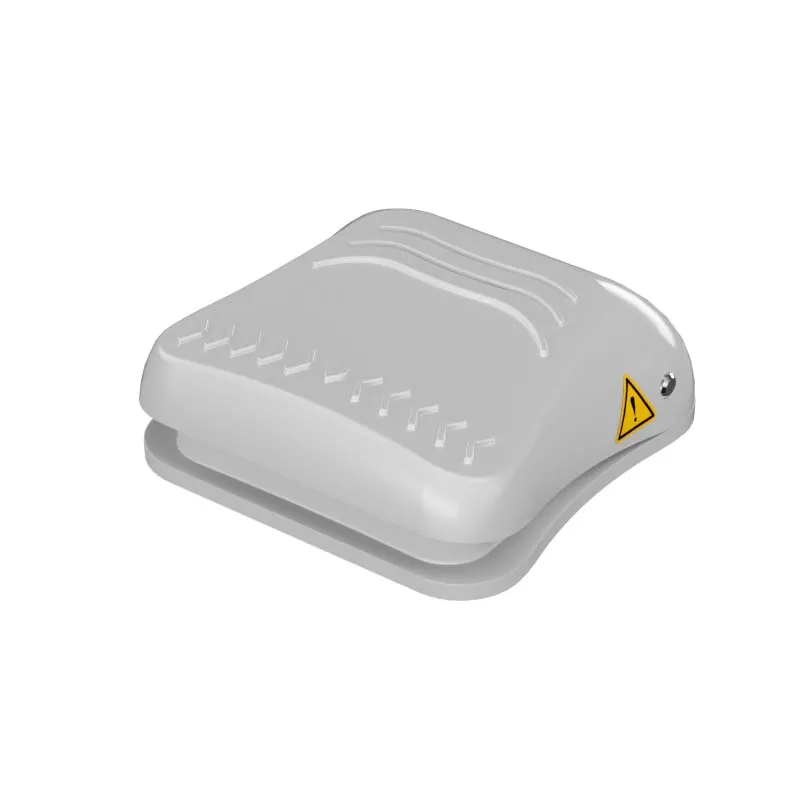
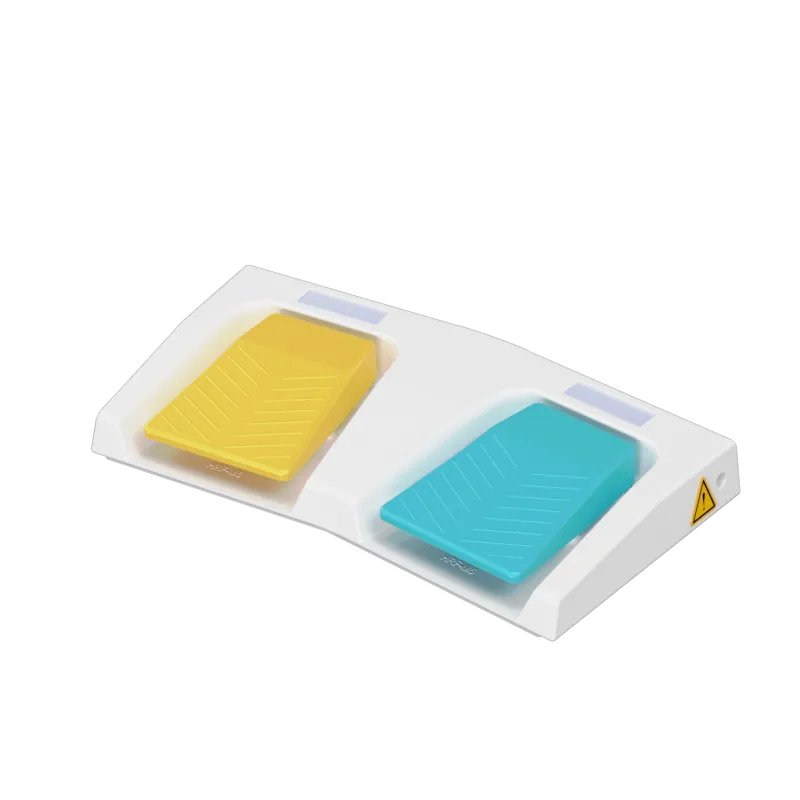
The safety foot switch is an essential component in various industrial and manufacturing environments, designed to enhance operator safety and machine control. Utilizing a foot safety switch allows operators to keep their hands free while managing equipment or processes that require the use of both hands. Understanding when and how to implement these switches can significantly reduce the likelihood of accidents in workplaces. This article will explore the applications, benefits, and best practices for using foot safety switches effectively.
What is a Foot Safety Switch?
A foot safety switch is a control device activated by the operator's foot. It can be utilized in machines and equipment to ensure that operators can maintain their hands for tasks while controlling machinery safely.
Applications of Foot Safety Switches
- Industrial Machinery: Used in presses, lathes, and other heavy machinery to allow operators hands-free operation.
- Medical Equipment: Allows operators to control devices like x-ray machines or surgical lights while maintaining sterile conditions.
- Automated Workstations: Facilitates multi-tasking in automated environments such as conveyor belts and assembly lines.
Benefits of Using Foot Safety Switches
- Enhanced Safety: Reduces the risk of accidents by ensuring operators keep their hands free, allowing for safer operation.
- Increased Efficiency: Enables operators to multitask without compromising safety, leading to improved workflow.
- Ergonomic Design: Foot switches often feature designs that reduce strain on the body, promoting better workplace ergonomics.
When to Use a Foot Safety Switch
- Heavy Machinery Operation: Deploy foot switches when operating heavy machinery that requires both hands to manipulate materials safely.
- Complex Tasks Requiring Focus: Use foot switches in situations where maintaining hand control is vital for concentration and task performance.
- In Multi-Operator Environments: Implement switches in environments with multiple operators to efficiently share control of machines among team members.
Steps to Implement Foot Safety Switches
- Assess Your Environment: Analyze workplace settings to identify machines or scenarios where a foot safety switch can enhance safety.
- Choose the Right Model: Select a safety foot switch that meets the specific requirements of your machines and safety standards. Research options by visiting trusted suppliers like Kacon.
- Install Properly: Follow manufacturer guidelines to install the foot safety switch. Ensure that wiring and connections are compliant with local safety regulations.
- Train Employees: Provide comprehensive training on using foot safety switches to ensure all operators understand their functions and benefits.
- Regular Maintenance: Schedule periodic checks and maintenance to ensure the safety functionality of the switches remains intact and operational.
- Document Usage: Maintain records of safety switch installations and training sessions to comply with industry regulations and improve organizational safety culture.
Key Considerations When Using Foot Safety Switches
- Compliance with Regulations: Ensure that your safety foot switches comply with OSHA regulations and ANSI standards to avoid penalties and enhance workplace safety.
- Customize Solutions: Tailor foot safety switches to individual tasks or equipment types to maximize their effectiveness and safety benefits.
- Testing and Feedback: Regularly test the switches with employees to gather feedback and make necessary adjustments based on practical experiences.
Conclusion
Integrating foot safety switches into your operational procedures can lead to improved safety and efficiency in the workplace. By understanding the appropriate applications, benefits, and implementation steps, you can create a safer environment for your team. Always ensure compliance with safety regulations and explore options with trusted providers like Kacon for quality safety foot switches.