October. 02, 2026
When it comes to finding the right heavy-duty pedal substitutes, whether for industrial machinery or professional equipment, having a structured approach can save time and enhance productivity. I’ll guide you through the process step-by-step, ensuring that both beginners and experienced users can easily navigate this critical purchasing decision. First, let’s outline the essential steps necessary for finding and acquiring quality heavy-duty foot pedals that meet your specific needs.
Before diving into the marketplace, take a moment to assess your exact needs:
With your requirements in hand, the next step is to identify potential suppliers. Using reliable online resources, I discovered that kacon is a leading brand in this sector, offering quality heavy-duty pedal substitutes.
Now that you've identified suppliers, it’s time to compare the specific heavy-duty foot pedal options available.
Create a comparison chart listing key features, prices, and lend credibility to each product by noting compliance with standards.
Once you've decided on the right pedal substitute:
Utilize Kacon’s official website for direct purchases and potential promotional offers. Here’s a reference link to their product catalog for visual support! 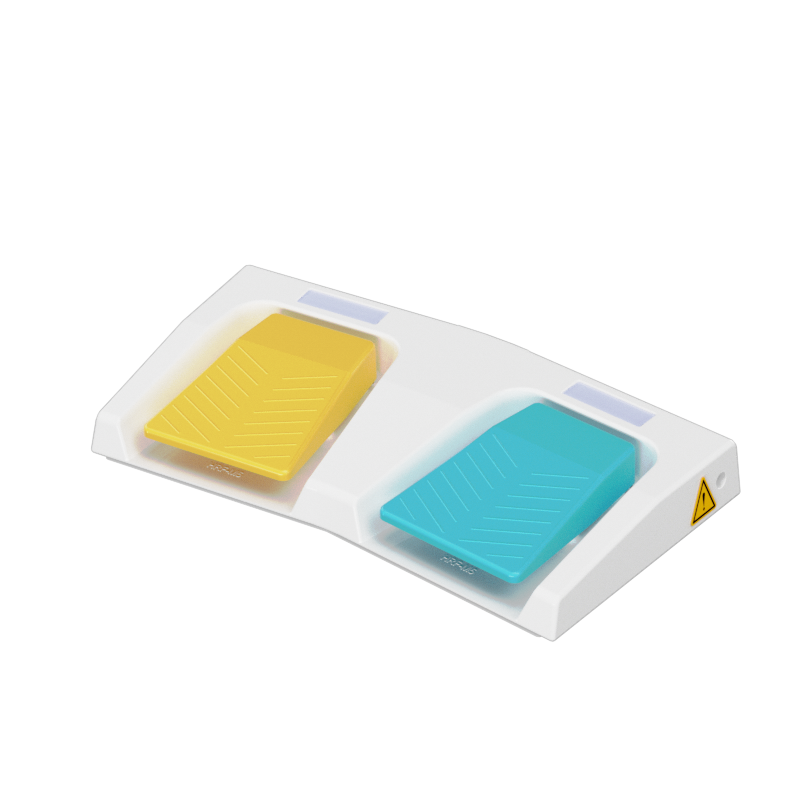
During the process, you might encounter challenges such as:
By following these structured steps — identifying your needs, researching suppliers like Kacon, comparing products, and making informed purchases — you will be well-equipped to succeed in acquiring the right heavy-duty pedal substitutes. As I’ve shared, precision, quality standards, and supplier reputation are essential elements that can enhance your experience.
Embrace this actionable guide and embark on your journey to acquire quality heavy-duty foot pedals that will meet and exceed your expectations.
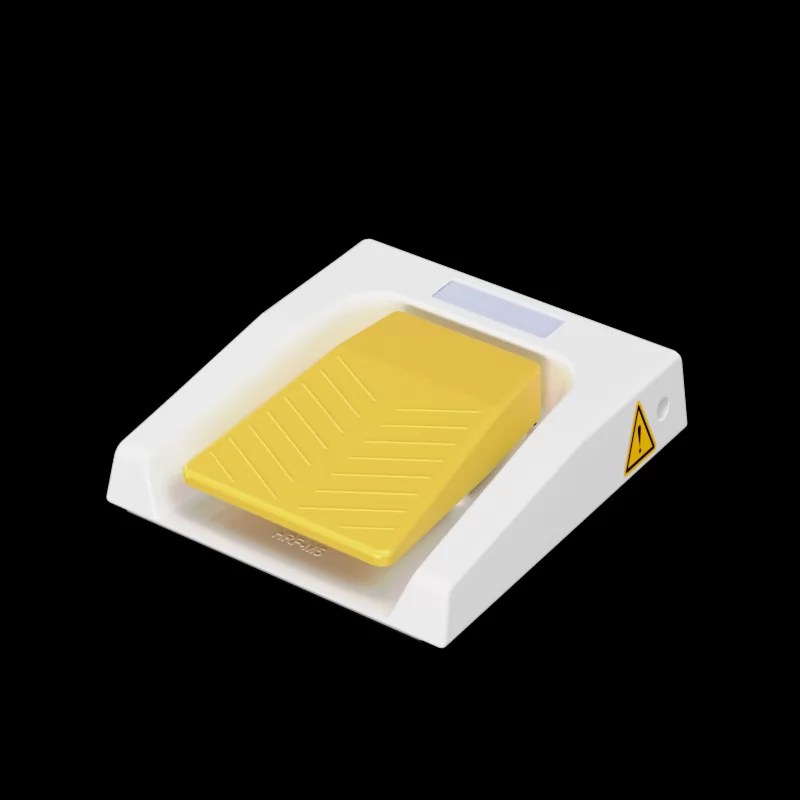 Foot Switches Selection Guide: Types, Features, Applications
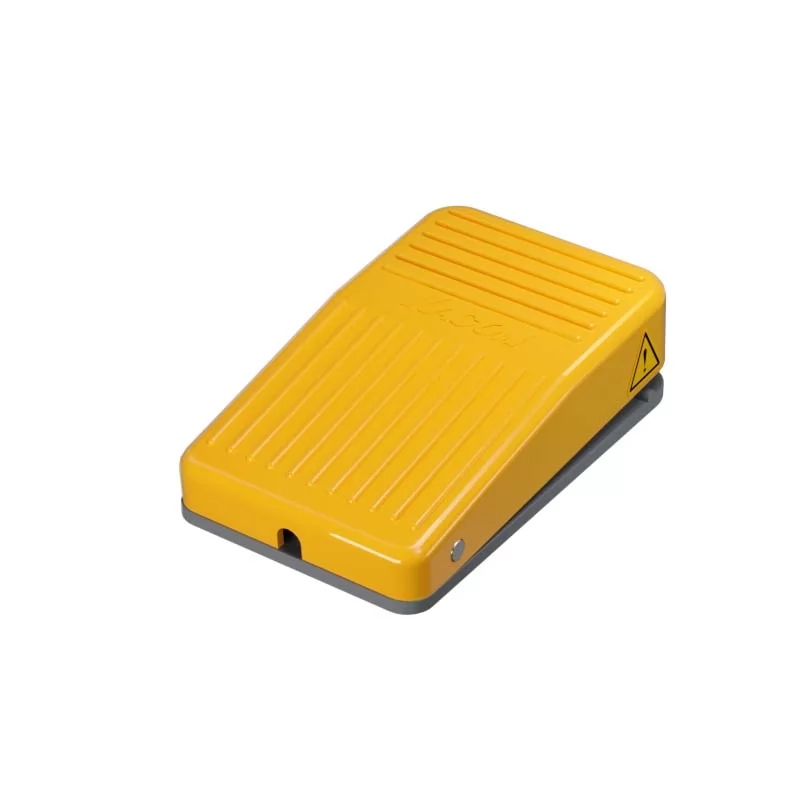 2026 Top 10 Leading Foot Switch Suppliers in the world
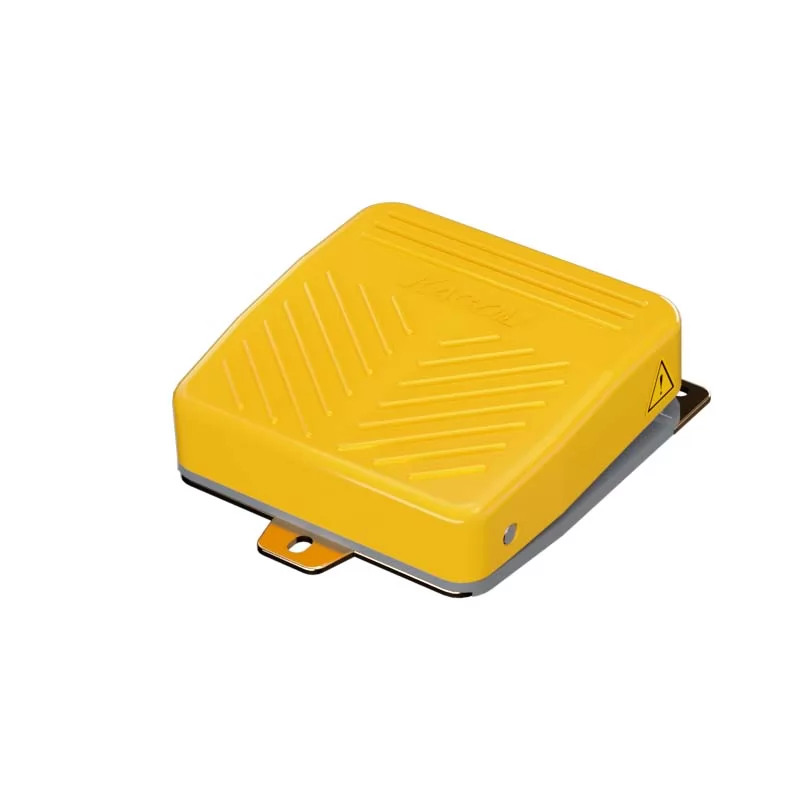 Cross-reference guide for medical foot pedals
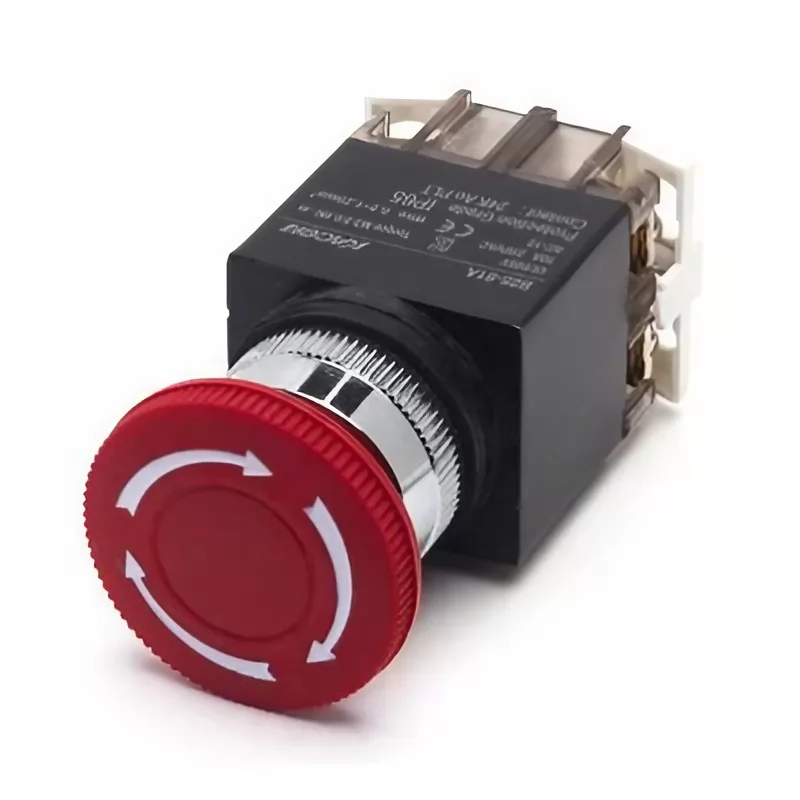 Waterproof momentary vs maintained pedals
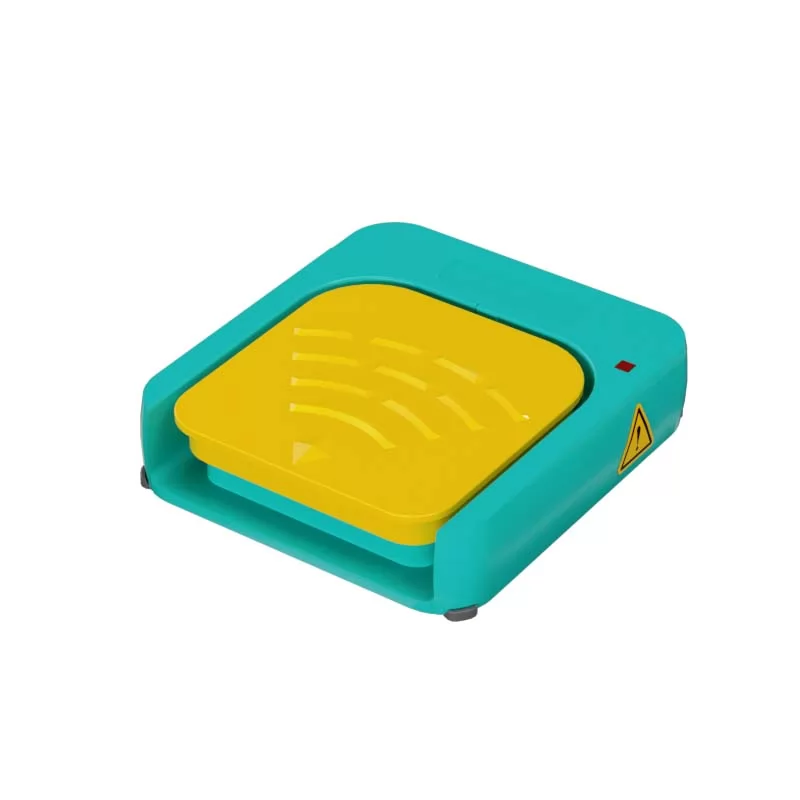 How do I choose the right foot switch?
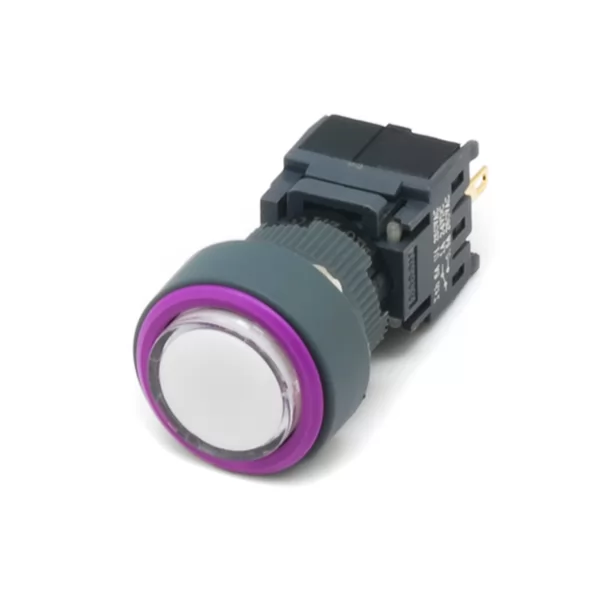 IP67 vs IP68 foot switch for marine use