March. 19, 2026
In industrial environments, safety and efficiency go hand in hand. One often overlooked yet critical component is the safety foot switch. Whether used in manufacturing, medical equipment, or heavy machinery, foot switches provide hands-free control while enhancing operator safety.
Among the most common types are momentary safety foot switches and maintained safety foot switches. Understanding the difference between these two is essential for selecting the right device for your application.
This guide explores momentary vs maintained safety foot switch systems in detail, including their working principles, benefits, use cases, and how to choose the best option. By the end, you’ll have a clear understanding of which type suits your operational needs while improving workplace safety and productivity.
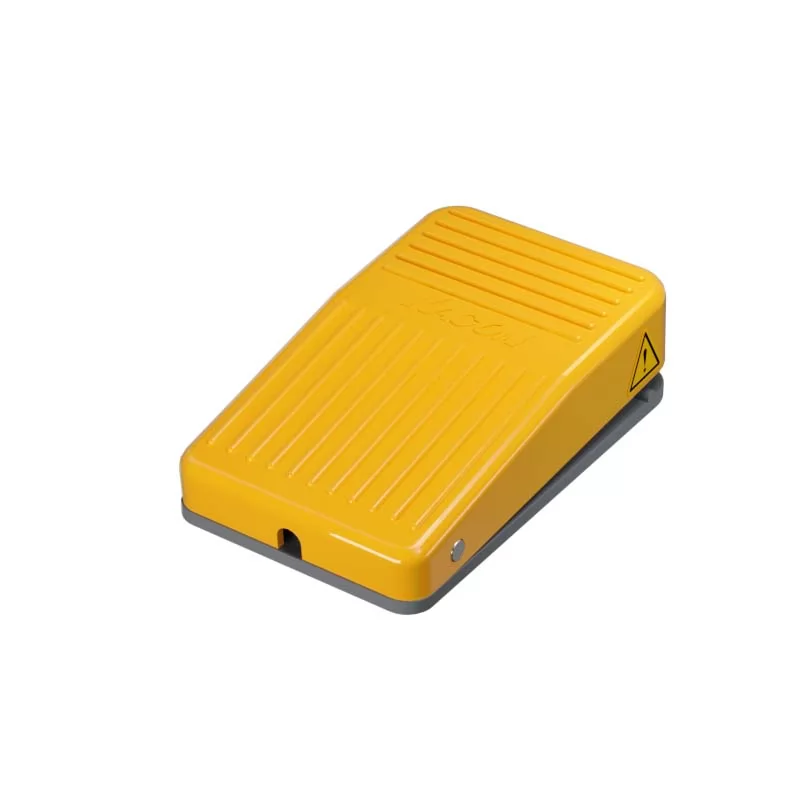
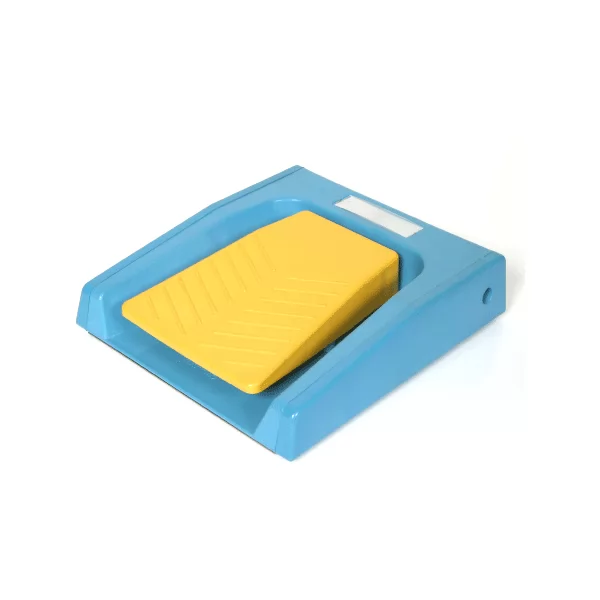
A safety foot switch is a foot-operated control device used to activate or deactivate machinery. It allows operators to keep their hands free while maintaining control over equipment.
Hands-free operation
Improved workflow efficiency
Enhanced operator safety
Durable industrial design
Anti-slip pedals and protective guards
These switches are widely used in industries such as:
Manufacturing and automation
Medical and dental equipment
Textile machinery
Welding and cutting systems

A momentary safety foot switch operates only when pressure is applied to the pedal. Once the foot is removed, the switch returns to its original state and stops the operation.
The circuit remains active only while the pedal is pressed. Releasing the pedal immediately interrupts the signal.
Spring-return mechanism
Temporary activation
Immediate stop upon release
High level of control and safety
Enhanced Safety
Operators must maintain pressure, reducing the risk of accidental continuous operation.
Precise Control
Ideal for tasks requiring intermittent or controlled activation.
Quick Response
Immediate stop function ensures fast reaction in emergencies.
Press machines
Medical devices
Laser cutting equipment
Sewing machines
Testing equipment

A maintained safety foot switch (also known as a latching foot switch) remains in its activated state even after the pedal is released.
Pressing the pedal toggles the switch ON or OFF, meaning the machine continues running without continuous foot pressure.
Latching mechanism
Continuous operation after activation
Requires a second press to deactivate
Reduced Operator Fatigue
No need to keep the foot pressed continuously.
Convenience for Long Tasks
Ideal for operations requiring sustained activity.
Improved Efficiency
Allows operators to focus on other tasks once activated.
Conveyor systems
Packaging machines
Automated production lines
Industrial processing equipment
Understanding the differences between momentary vs maintained safety foot switch options is crucial for proper selection.
| Feature | Momentary Foot Switch | Maintained Foot Switch |
|---|---|---|
| Operation | Active only when pressed | Stays active after release |
| Safety Level | Higher | Moderate |
| Control | Precise, real-time | Continuous operation |
| Fatigue | Higher (continuous pressure needed) | Lower |
| Best Use | Short, controlled tasks | Long-duration processes |
Choose momentary foot switches for safety-critical and precise operations.
Choose maintained foot switches for efficiency in continuous tasks.
Safety should always be the top priority when selecting between a momentary vs maintained safety foot switch.
High-risk environments (e.g., cutting, pressing) benefit from momentary switches due to their automatic shut-off.
Momentary switches provide faster response in emergencies, reducing hazards.
Less experienced operators may benefit from safer, momentary designs.
Ensure the switch meets industrial safety certifications such as:
IEC standards
ISO safety regulations
Ergonomics play a vital role in selecting the right foot switch.
Choose low-force pedals to reduce fatigue
Look for anti-slip surfaces
Ensure easy toggling mechanism
Consider pedal size and positioning
A well-designed foot switch improves productivity while minimizing strain.
Momentary switches: Press machines, stamping
Maintained switches: Conveyor belts
Momentary switches are preferred for surgical tools due to safety and precision
Maintained switches are ideal for automated workflows
Sewing machines often use momentary foot switches for precise control
When selecting between momentary vs maintained safety foot switch, consider the following factors:

Determine whether your process requires:
Continuous operation → Maintained
Controlled activation → Momentary
High-risk environments should prioritize momentary switches.
Look for:
Industrial-grade materials
Waterproof and dustproof ratings (IP rating)
Ensure compatibility with:
Voltage
Current rating
Circuit type
Choose trusted manufacturers known for quality and safety. For example, Kacon offers reliable industrial foot switch solutions designed for durability and performance. Another reason many engineers choose Kacon is its consistent product quality and compliance with safety standards.
Ensure proper wiring and grounding
Position the switch within comfortable reach
Avoid placing in high-slip areas
Regularly inspect for wear and damage
Clean debris from pedal surfaces
Test functionality periodically
Proper maintenance ensures long-term safety and performance.
As industrial automation evolves, safety foot switches are becoming more advanced.
Smart foot switches with sensors
Wireless connectivity
Integration with IoT systems
Enhanced ergonomic designs
These innovations aim to improve both safety and efficiency in modern workplaces.
Choosing between a momentary vs maintained safety foot switch depends on your specific application, safety requirements, and operational needs.
Momentary safety foot switches offer superior control and safety, making them ideal for high-risk and precision tasks.
Maintained safety foot switches provide convenience and efficiency for long-duration operations.
By carefully evaluating your workflow and safety standards, you can select the right foot switch to enhance both productivity and workplace safety.

A maintained switch stays in its last position after being activated, meaning it continues to operate until it is manually switched back, while a momentary switch only works when pressure is applied and returns to its default state once released. In other words, a maintained switch provides continuous operation, whereas a momentary switch offers temporary, controlled activation.
A latching footswitch (also called a maintained footswitch) toggles between ON and OFF states with each press, allowing equipment to run continuously without constant pressure. In contrast, a momentary footswitch only activates the connected device while the pedal is being pressed, making it ideal for applications that require precise control and immediate stop when released.
A momentary switch is used in applications where temporary activation and precise control are required, such as medical devices, industrial machinery, sewing machines, and testing equipment. It ensures that the device operates only when the user actively presses the switch, which improves safety and prevents accidental continuous operation.
A power maintained foot switch is a type of foot-operated switch that remains in the ON position after being pressed, continuously supplying power to the connected equipment until it is pressed again to turn OFF. It is commonly used in industrial automation, conveyor systems, and long-duration processes where continuous operation is needed without requiring the operator to keep their foot on the pedal.
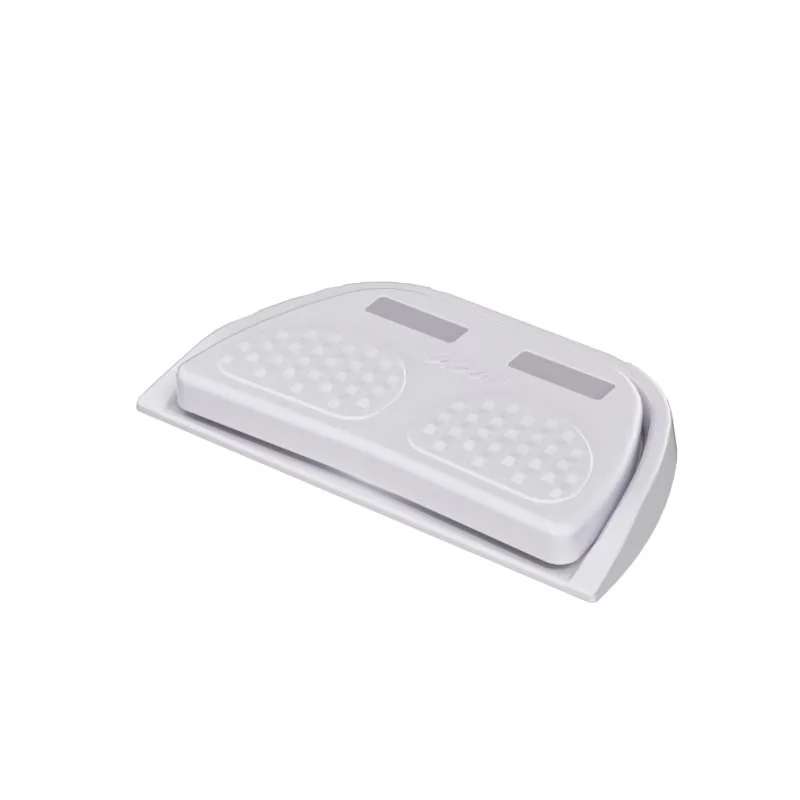 Momentary vs maintained foot switch
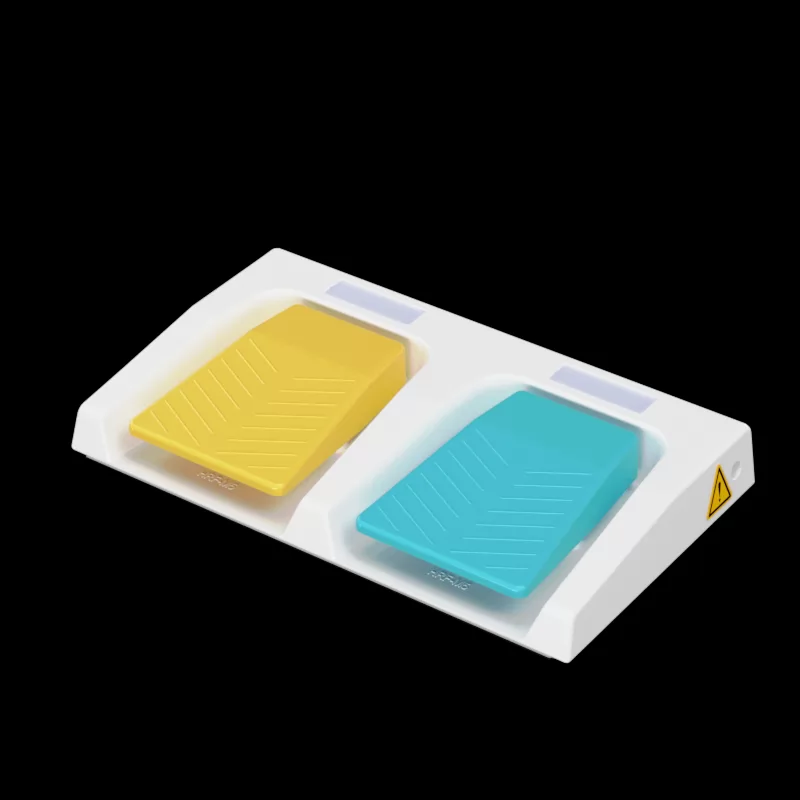 Ergonomic benefits of dual pedal design
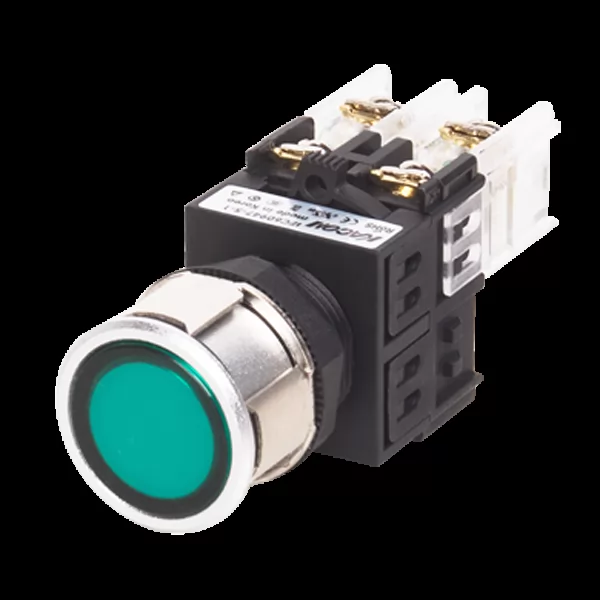 IP67 vs IP68 foot switch for marine use
 Best dual foot switch for hydraulic presses
 Wiring diagram for dual safety foot switches
 Troubleshooting 3-position switch contacts