March. 06, 2025
Limit switches are crucial components in various industrial applications, machinery, and automated systems. These devices monitor the position of a moving part and send signals to control systems to stop, start, or adjust operations. A faulty or "bad" limit switch can lead to a series of issues that affect performance, safety, and even result in significant system failures. In this article, we’ll explore the consequences of a bad limit switch and how it impacts machinery and operations.
The most immediate and noticeable consequence of a bad limit switch is malfunctioning machinery. Since limit switches are designed to control the movement of mechanical parts, a failure can prevent them from reaching their correct positions or stopping at the right time. For example:
Uncontrolled movement: If a limit switch fails, the equipment may continue moving beyond its intended position, potentially causing mechanical damage or even system overloads.
Stoppage of operations: A faulty limit switch can also prevent the machinery from functioning at all, as the system may fail to receive the necessary signal to complete an action (e.g., turning on, off, or shifting gears).

Limit switches often play a critical role in ensuring safety in automated systems and heavy machinery. When a limit switch goes bad, the safety mechanisms in place may no longer function properly, putting operators and the equipment at risk. Common safety issues include:
Overtravel or overextension: A broken limit switch may allow a machine part to move too far, which can cause it to hit nearby objects, other parts of the machine, or even a human operator, leading to potential injury or equipment damage.
Failure to stop: Limit switches are also used to stop machinery at specific points in the cycle. If the switch fails, the machine may not stop at the correct position, leading to further mechanical issues, accidents, or personal harm.
Failure of emergency systems: In some cases, limit switches are part of emergency shutdown systems. If they are faulty, an emergency stop may not occur, increasing the risk of a dangerous situation escalating.
A malfunctioning limit switch can lead to inefficiencies in system operation. If a machine is unable to stop or start at the proper time, it may consume unnecessary energy or operate in an erratic, unpredictable manner. This can lead to:
Increased energy consumption: A stuck or faulty limit switch may keep a motor or system running longer than needed, resulting in energy waste and increased operational costs.
Erratic performance: Limit switches help to synchronize various parts of a system. When one goes bad, the entire system might become out of sync, causing uneven performance, delays, or breakdowns.
When a limit switch fails, it often leads to increased wear and tear on the equipment it controls. For instance, if a limit switch does not stop a moving part when it should, it may continue to operate beyond its limit, causing excessive friction, heat, or stress on the machinery. Over time, this can result in:
Component damage: Extended movement or overheating may lead to parts of the equipment wearing out faster than expected, which could necessitate costly repairs or replacement.
Premature failure: The added strain on the system can shorten the overall lifespan of the machinery, leading to more frequent repairs and downtime.
A bad limit switch can cause unexpected downtime, disrupting production schedules and reducing overall productivity. When a machine fails to perform its intended task due to a faulty limit switch, it may need to be stopped for troubleshooting and repairs, leading to unplanned downtime. This downtime can be costly, especially in environments where production is time-sensitive, and every minute of delay adds to operational losses.

Adjustable Roller Lever Limit Switch
Because limit switches are often integrated into complex control systems, diagnosing a faulty switch can be challenging. The issue might not always be immediately apparent, and the symptoms of a bad limit switch can sometimes mimic problems in other parts of the system. This can lead to:
Extended downtime: Troubleshooting and identifying the source of the problem may take longer than expected, prolonging the repair process.
False diagnostics: Technicians may misdiagnose the problem and attempt to fix unrelated components, which wastes time and resources.
In automated or precision-driven systems, limit switches play a crucial role in ensuring that production processes are carried out accurately and within defined parameters. When a limit switch fails, it can lead to:
Product defects: A malfunctioning limit switch may allow a production process to go beyond its intended parameters, leading to defects in the finished product, such as improper assembly or dimensions.
Inconsistent results: Faulty switches may result in inconsistent product quality, which can damage a company’s reputation or cause financial loss due to the need for rework or product recalls.
When a limit switch fails, it may cause a ripple effect in the form of increased maintenance needs. The failure of one component often leads to the failure of others, causing a cascading effect of problems. As a result, machinery may require more frequent maintenance or a higher level of repair intervention. Additionally, if the failure causes significant damage to the system, the repair costs can escalate quickly. Preventive maintenance can help identify limit switch issues before they result in major failures, but once the damage is done, the costs can quickly add up.
In some automated systems, limit switches are connected to control systems that monitor and record performance data. A malfunctioning limit switch can disrupt this data flow, causing a loss of critical operational information. Without proper data monitoring, businesses may have difficulty tracking performance, troubleshooting issues, or predicting maintenance needs. In some cases, this lack of insight can lead to inefficiencies or production errors going unnoticed for extended periods.
Limit switch failures are common in harsh industrial environments where switches are exposed to:
Oil and coolant contamination
Heavy vibration
Dust and metal particles
Frequent mechanical impacts
High humidity or outdoor weather
Continuous high-frequency operation
Industries such as CNC machinery, automated production lines, packaging equipment, cranes, elevators, mining machinery, and conveyor systems often require high-durability IP67 limit switches for reliable positioning and safety protection.
KACON KXL series limit switches are designed for demanding industrial environments with:
IP67 waterproof protection
High mechanical lifespan
Oil-resistant sealing structures
Silver alloy contacts
Heavy-duty zinc alloy housing
→ Explore KACON Industrial Limit Switch Models
Preventing a limit switch from failing is key to ensuring that machinery operates smoothly and safely. Here are some ways to avoid the issues discussed above:
Regular inspections: Check limit switches periodically for signs of wear and tear, such as corrosion, dirt buildup, or electrical malfunctions.
Preventive maintenance: Incorporate limit switch testing and maintenance into a regular preventative maintenance program to catch potential issues early on.
Proper installation: Ensure that limit switches are installed correctly to avoid any premature failure due to misalignment, excessive force, or incorrect wiring.
Choose the right switch: Ensure that the limit switch is suitable for the operating conditions, such as temperature, humidity, or vibration levels, to prevent premature failure.
Yes. A failed limit switch may cause machines to overtravel, stop unexpectedly, or create unsafe operating conditions.
Industrial-grade limit switches can last millions of cycles depending on environment and load conditions. KACON KXL series supports up to 15 million mechanical operations.
In most industrial applications, replacement is recommended because damaged contacts or worn springs can reduce reliability. Community discussions also suggest replacement is usually more practical than repair.
Common causes include:
Incorrect wiring
Mechanical overtravel
Corrosion
Vibration loosening
Excessive electrical load
Poor environmental sealing
With decades of industrial control experience, KACON provides reliable limit switch solutions for global automation industries.
KACON limit switches feature:
UL / CE / KC certifications
IP67 sealed protection
Long electrical and mechanical life
High-strength zinc alloy housing
Stable performance in harsh environments
The KXL series is widely used in:
Factory automation
Material handling systems
CNC equipment
Logistics systems
Steel and cement industries
KACON KXL series has also obtained UL certification for global industrial safety compliance.
A bad limit switch can cause significant problems, ranging from minor inconvenience to major safety risks. From malfunctioning equipment to safety hazards, reduced system efficiency, and even increased downtime, the consequences of a failed limit switch can ripple through operations. Regular maintenance, timely replacements, and proper installation are essential to prevent these issues and keep systems running smoothly. Ensuring that limit switches are functioning properly is critical for maintaining high levels of productivity, safety, and equipment longevity.
KACON provides OEM and wholesale limit switch solutions for industrial automation applications.
✔ IP67 heavy-duty protection
✔ Multiple actuator types available
✔ Fast global delivery
✔ OEM customization support
✔ Technical selection assistance
Contact KACON for product catalogs and pricing.
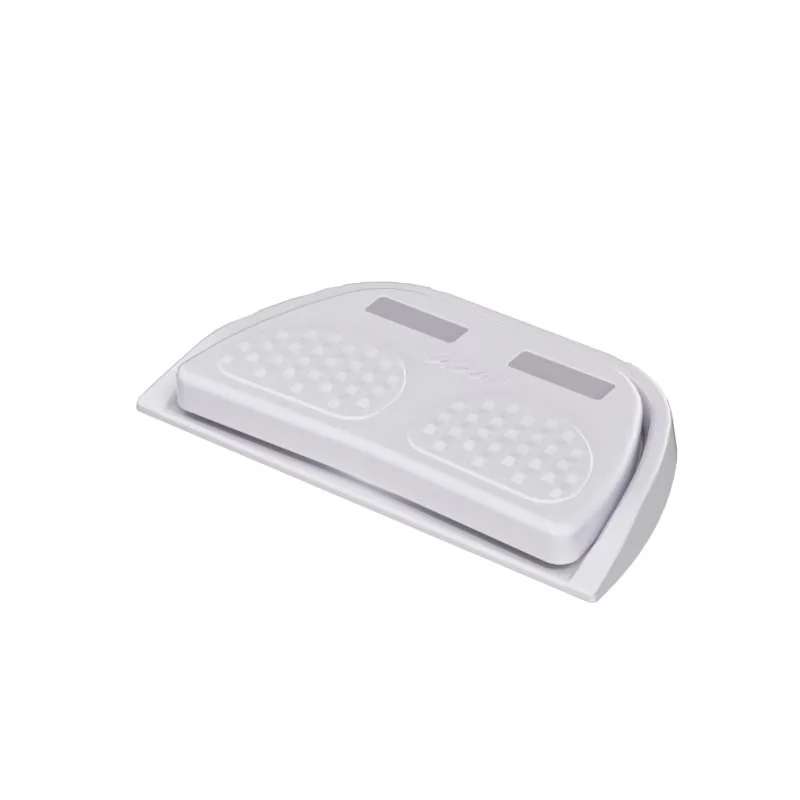 Momentary vs maintained foot switch
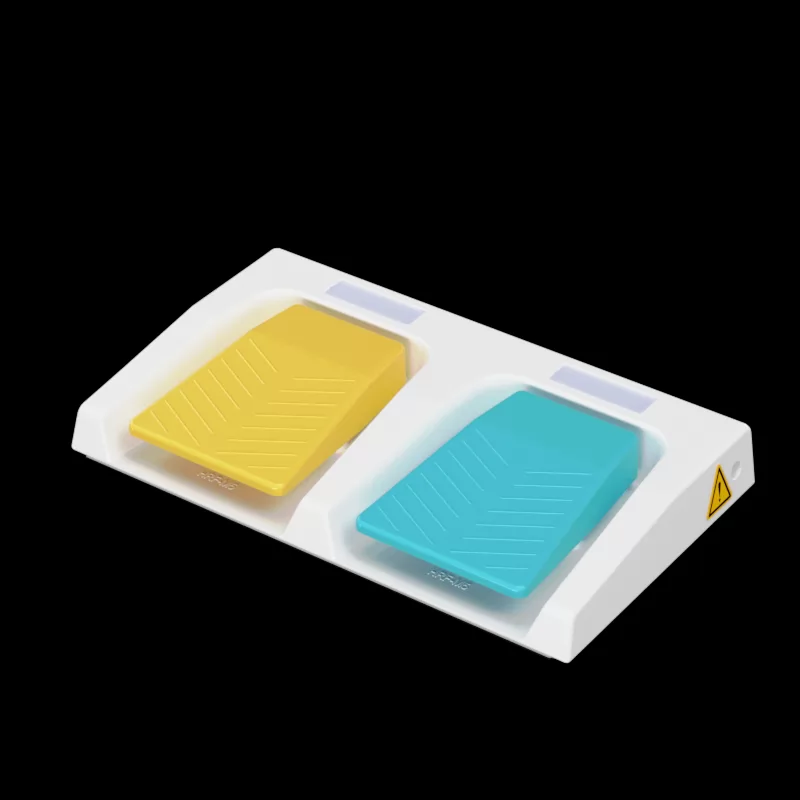 Ergonomic benefits of dual pedal design
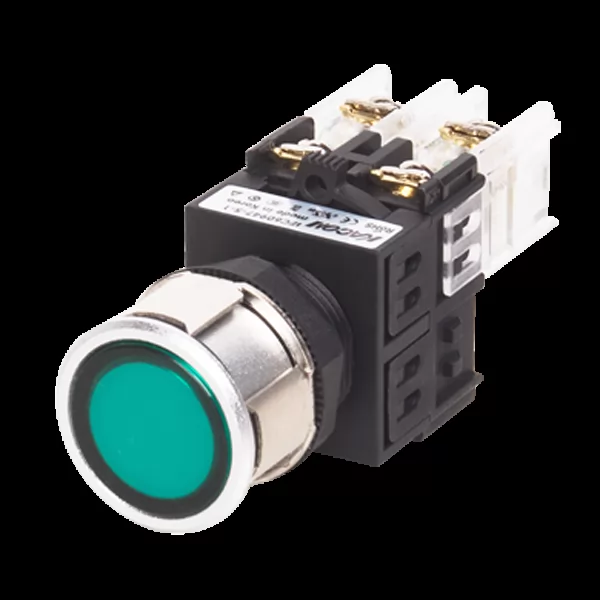 IP67 vs IP68 foot switch for marine use
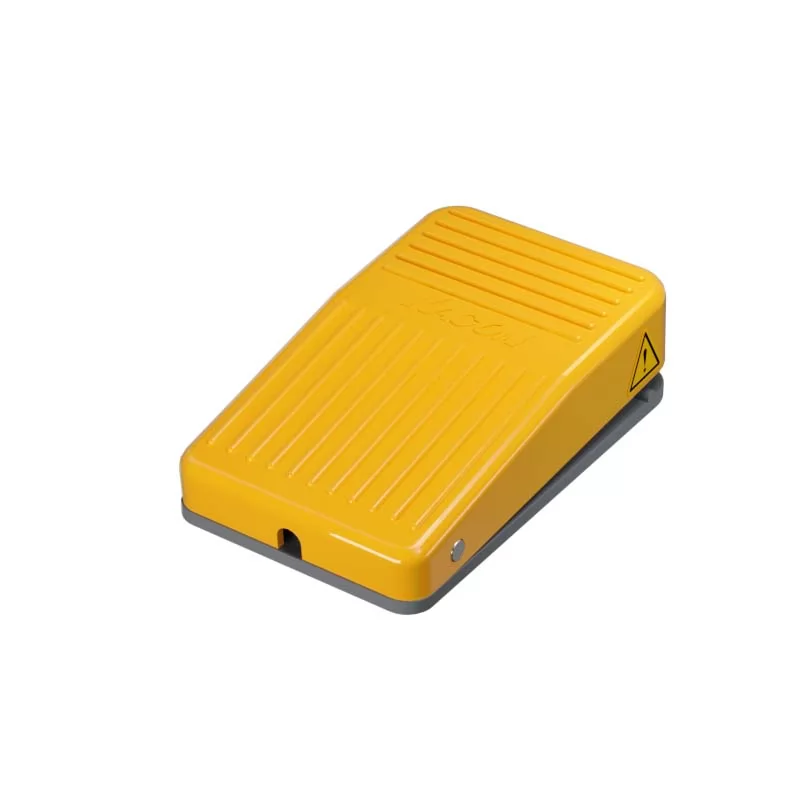 Best dual foot switch for hydraulic presses
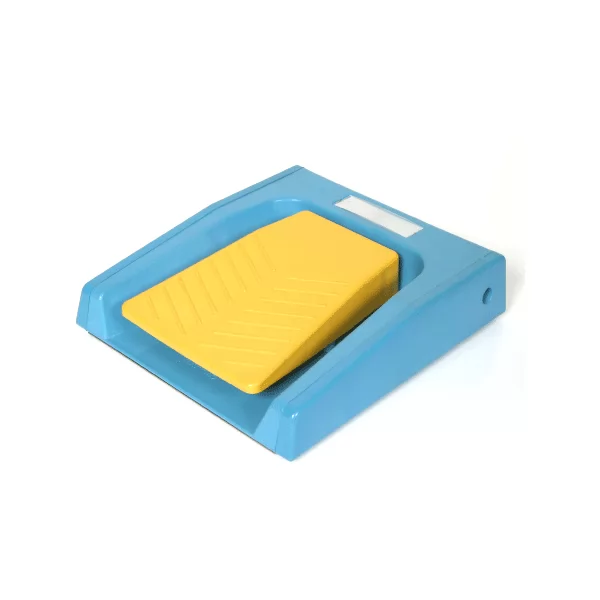 Wiring diagram for dual safety foot switches
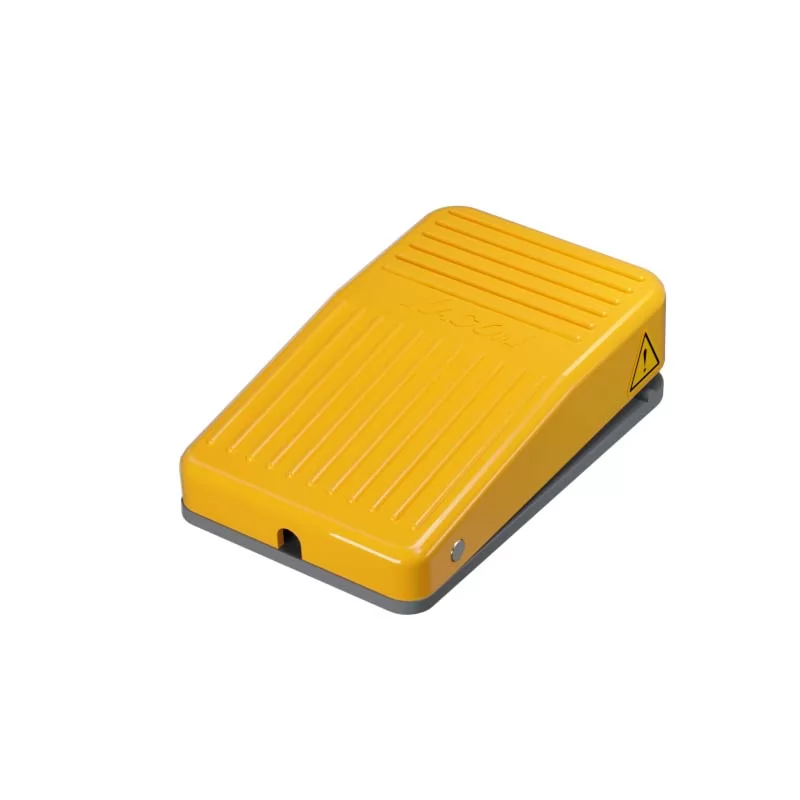 Troubleshooting 3-position switch contacts