January. 14, 2025
Medical foot switches are essential components in the healthcare industry, offering a hands-free, efficient way to control various medical devices and equipment. These devices provide healthcare professionals with the convenience, safety, and functionality they need to perform their tasks effectively while maintaining a sterile and efficient environment. This article explores the numerous benefits of using medical foot switches and why they are becoming indispensable tools in modern healthcare settings.
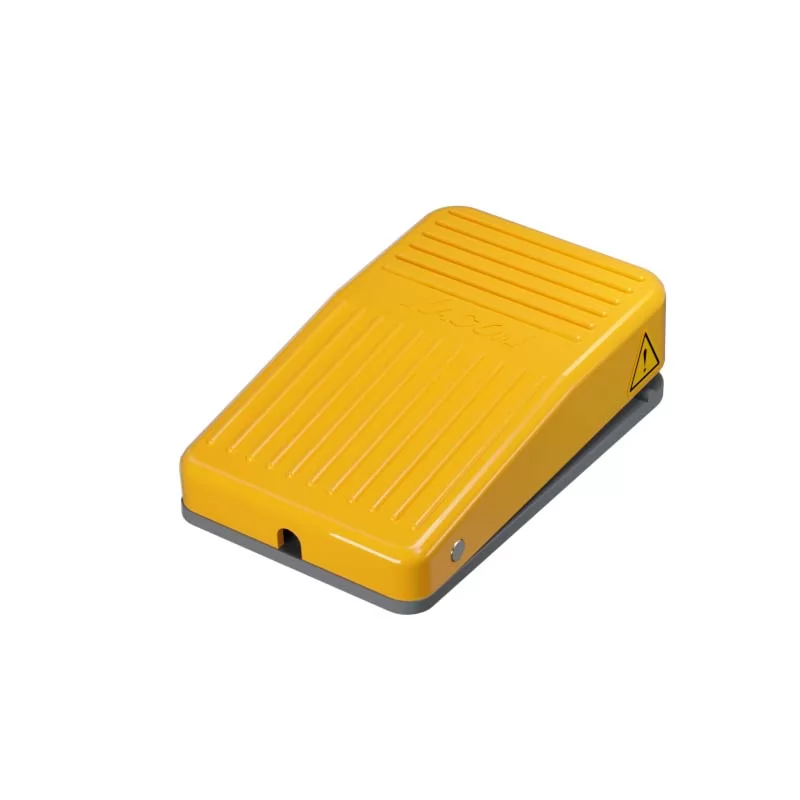
A medical foot switch is not just another control device. In healthcare environments, it is an essential part of equipment performance. Kacon’s medical foot switches are engineered to meet strict requirements for hygiene, reliability, and compliance, making them a trusted choice for operating rooms, imaging labs, and patient care facilities around the world. Whether referred to as a surgical foot pedal, hospital grade foot switch, or medical device control, Kacon’s designs consistently deliver the safety and performance expected in healthcare.
One of the primary benefits of using medical foot switches is the enhancement of hygiene and sterility in medical environments. Healthcare professionals often need to maintain a sterile field during procedures, and foot switches help them avoid contact with potentially contaminated surfaces. Instead of using hands to operate medical equipment, which could compromise sterility, the foot switch allows for hands-free control. This reduces the risk of cross-contamination and ensures that the professional can maintain a clean and sterile environment throughout procedures.

Medical foot switches increase the efficiency and productivity of healthcare professionals by allowing them to operate devices without needing to stop their work or interrupt procedures. With a foot switch, doctors, nurses, and technicians can quickly and easily control medical equipment, such as surgical tools, imaging devices, or diagnostic machines, without taking their hands off their primary tasks. This minimizes downtime and streamlines workflows, ultimately improving the speed and quality of care provided to patients.
Foot switches are designed to provide precise control over medical devices, which is particularly crucial in delicate medical procedures. For example, during surgery, a surgeon may need to make quick adjustments to the equipment without removing their hands from the patient. Foot switches offer a convenient way to make these adjustments with minimal disruption, allowing for more precise movements. This precise control is essential for improving patient outcomes, especially in high-stakes environments where every movement counts.
By using foot switches, healthcare professionals can reduce the physical strain associated with repetitive hand movements. Medical procedures often require long hours of standing or working in physically demanding positions, which can lead to hand and wrist fatigue. Foot switches offer an ergonomic solution, allowing professionals to control devices with their feet, reducing the repetitive use of hands and wrists. This can help prevent strain injuries, such as carpal tunnel syndrome, and improve the overall comfort and well-being of medical staff.
Medical foot switches are highly customizable to meet the specific needs of different medical procedures and equipment. They can be designed with varying numbers of pedals, different sensitivities, and specific functions, depending on the type of medical equipment being controlled. For example, a foot switch may be designed to control the operation of a surgical laser, X-ray machine, or anesthesia equipment. The flexibility and customization options ensure that medical foot switches can be adapted to a wide range of applications, making them versatile tools for healthcare professionals.
Using medical foot switches can also enhance patient safety. In critical situations, time is of the essence, and the ability to quickly adjust equipment with a foot switch can minimize delays. For instance, in the operating room, a surgeon can adjust lighting, control imaging equipment, or activate other devices without having to take their hands off the patient. This rapid response helps ensure that procedures are performed without interruption, reducing the chances of errors and improving overall patient safety.
Medical foot switches are typically built to last and are designed for long-term use in demanding medical environments. Their durability ensures that healthcare facilities can rely on them for many years, making them a cost-effective investment. The robust construction of foot switches means that they can withstand frequent use, spills, and exposure to cleaning agents, all of which are common in healthcare settings. The longevity of these devices reduces the need for frequent replacements, ultimately saving money for hospitals and clinics.
1. Image capture & recording – Footswitches allow users to capture still images or start/stop video recording without interrupting the procedure.
2. Zoom & focus control – In applications like surgical microscopy, foot pedals adjust magnification and focus without needing manual intervention.
3. Navigation & workflow control – Footswitches enable users to scroll through images in PACS (Picture Archiving and Communication Systems) without taking their hands off sterile instruments.
4. Radiology & fluoroscopy activation – Used to trigger X-ray exposure or control image sequencing in fluoroscopic procedures.
Multi-pedal footswitches with multiple programmable pedals for complex imaging tasks.
Bluetooth footswitches - ideal for applications where cable management is a concern.
USB footswitches - standard, reliable and widely compatible footswitches for general medical imaging use.
Standard electrical pedals - traditional footswitches that can be adapted using a dongle to convert them to USB.
Footswitches in Kacon’s range can be customised to suit specific application needs, including special labelling and connectors.
Choosing the right foot switch is essential for maximizing its effectiveness in your specific application. Key factors to consider include the switch’s durability, functionality, and ease of use. A foot switch should be robust enough to withstand the demands of frequent use, particularly in high-traffic environments like operating rooms or busy clinics. Material quality and build are crucial in ensuring longevity and reliability.
Additionally, the functionality of the foot switch should align with your operational needs. Some foot switches come with multiple operational modes, allowing for greater versatility in controlling various devices. It’s important to select a foot switch that not only meets your current requirements but also has the potential for future adaptability as technology evolves or as your practice expands.
Compatibility is another critical aspect when selecting a foot switch. Before making a purchase, it is essential to verify that the switch can be effectively integrated with the equipment you intend to use it with. Different machines may require specific types of foot switches, and selecting the wrong model can lead to operational inefficiencies or even equipment damage.
To ensure compatibility, always consult the equipment manufacturer or technical specifications. Many foot switch providers offer compatibility charts or guides to assist in matching their products with various devices. This proactive approach minimizes the risk of compatibility issues and guarantees a smoother operational experience.
Quality and durability cannot be overstated when it comes to selecting a foot switch. Investing in high-quality foot switches ensures that they can withstand the rigors of daily use without degradation in performance. Look for switches made from industrial-grade materials that are resistant to wear and tear, moisture, and other environmental factors that can lead to breakdowns.
Additionally, consider warranty options and customer support when choosing a foot switch. Reputable manufacturers will often provide warranties that cover defects or failures, offering peace of mind and indicating confidence in their product’s durability. Purchasing from established brands known for their quality can lead to long-term satisfaction and reliability.
Medical foot switches work by allowing healthcare professionals to control medical devices with their feet. The switch typically consists of one or more foot pedals that activate or control a device, such as surgical equipment, imaging systems, or patient monitors. When the user presses a pedal, it sends a signal to the connected equipment, allowing for hands-free operation of the device.
Yes, most medical foot switches are designed for easy cleaning and maintenance. They are often constructed with materials that resist contamination and are compatible with hospital-grade disinfectants. This ensures that foot switches can be easily sanitized between uses, which is essential for maintaining hygiene in healthcare environments.
Medical foot switches can be used for a variety of medical equipment, but they must be compatible with the specific device being controlled. Many foot switches are customizable and can be designed to work with different types of equipment, including surgical tools, diagnostic machines, and imaging systems. It’s important to ensure that the foot switch is compatible with the intended device for optimal performance.
Yes, medical foot switches are designed to be ergonomic and provide comfort during long hours of use. The pedals are typically positioned to allow for easy and natural foot movements, reducing the risk of fatigue and strain. Additionally, the ability to control devices with the feet reduces the need for repetitive hand movements, further improving comfort and reducing the risk of injury.
Absolutely. Medical foot switches are designed to streamline workflows in busy medical environments by allowing professionals to control devices without needing to use their hands. This enables them to maintain focus on the task at hand, reduce interruptions, and increase efficiency. As a result, medical staff can work more effectively, improving overall productivity and patient care.
Yes, many medical foot switches can be customized to fit specific operational needs, including multiple functions for controlling various devices. This adaptability makes them versatile tools in clinical settings.
Yes, medical foot switches are designed with safety in mind. They provide a reliable way to operate equipment without compromising the focus and control needed during critical tasks, especially in medical environments.
Medical foot switches are a crucial tool in modern healthcare, offering numerous benefits that enhance both the safety and efficiency of medical procedures. From improving hygiene and sterility to increasing precision and reducing fatigue, these devices make a significant difference in the daily operations of healthcare professionals. With their durability, versatility, and ability to improve patient care, medical foot switches are an invaluable addition to any healthcare facility. Whether in surgery, diagnostic imaging, or other medical applications, these switches help ensure that healthcare professionals can perform their tasks with ease and accuracy, ultimately improving patient outcomes.

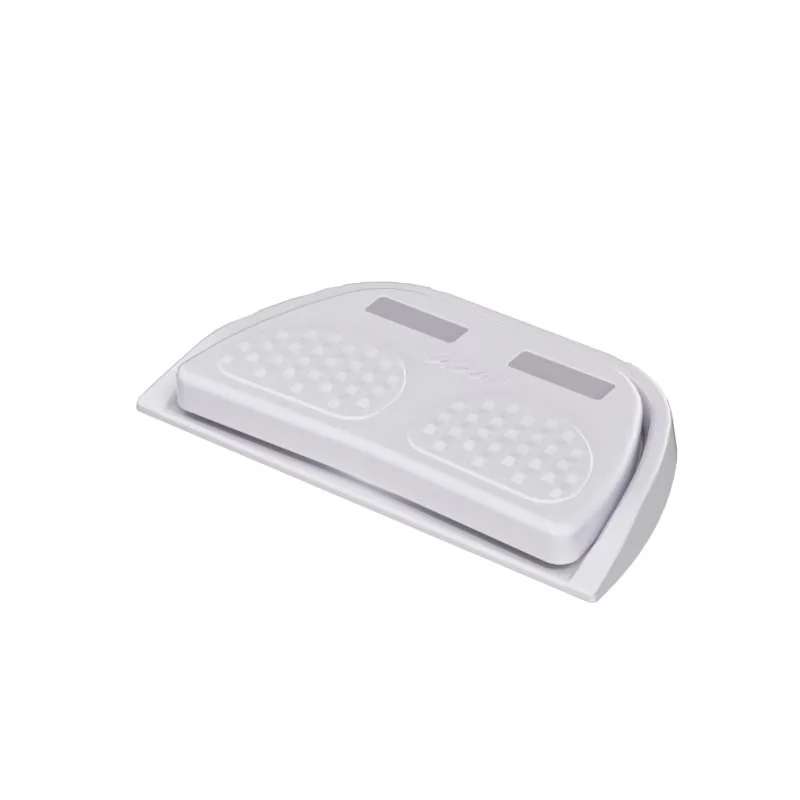 Momentary vs maintained foot switch
 Ergonomic benefits of dual pedal design
 IP67 vs IP68 foot switch for marine use
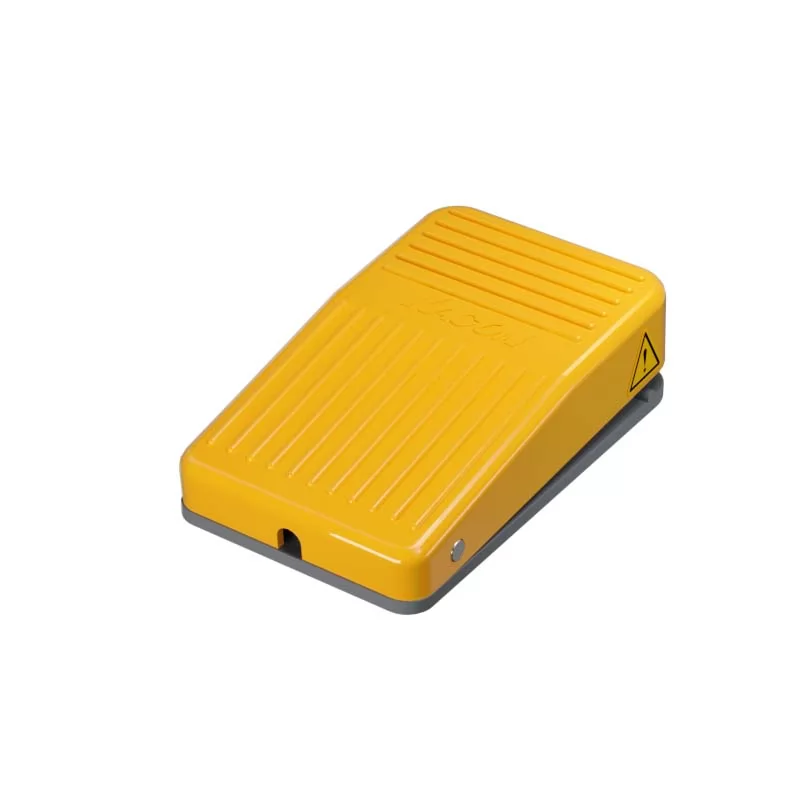 Best dual foot switch for hydraulic presses
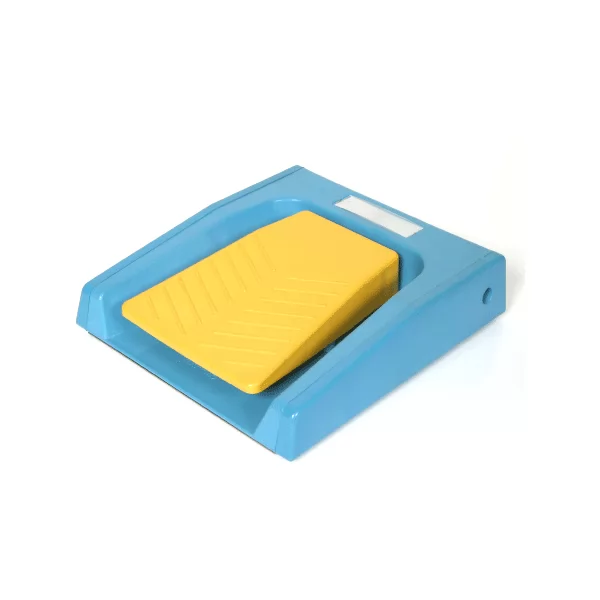 Wiring diagram for dual safety foot switches
 Troubleshooting 3-position switch contacts